Top 16 Animals That Start With Q (With Pictures)
The animal kingdom is full of surprises, especially when it comes to letters of the alphabet. The Top 16 Animals That Start With Q, shine a spotlight on the most intriguing and lesser-known species that share this unique initial.
By reading on, you’ll discover not just the names but also the fascinating traits and stories behind each animal, making your next trivia night much more exciting.
List of Animals That Start With Q
Below is the list of animals that start with Q:
- Quahog Clam
- Quoll
- Queen Angelfish
- Quokka
- Queen Parrotfish
- Quacking Frog
- Quillback
- Queen Alexandra’s Birdwing Butterfly
- Quetzal
- Queensland Grouper
- Quiscalus
- Queen Triggerfish
- Quail
- Queensland Lungfish
- Queen Snake
- Quokka Frog
Quahog Clam
- Scientific Name: Mercenaria mercenaria
- Class: Bivalvia
- Diet: Omnivore
The quahog clam, a remarkable bivalve found along the North American Atlantic coast, is more than just a delicacy; it’s a living testament to marine resilience. As an animal that starts with Q, the quahog showcases a fascinating duality: its tough shell provides protection, while its soft body thrives amidst shifting tides. These clams can live for over 400 years, offering a unique glimpse into environmental changes through their growth rings, much like trees.
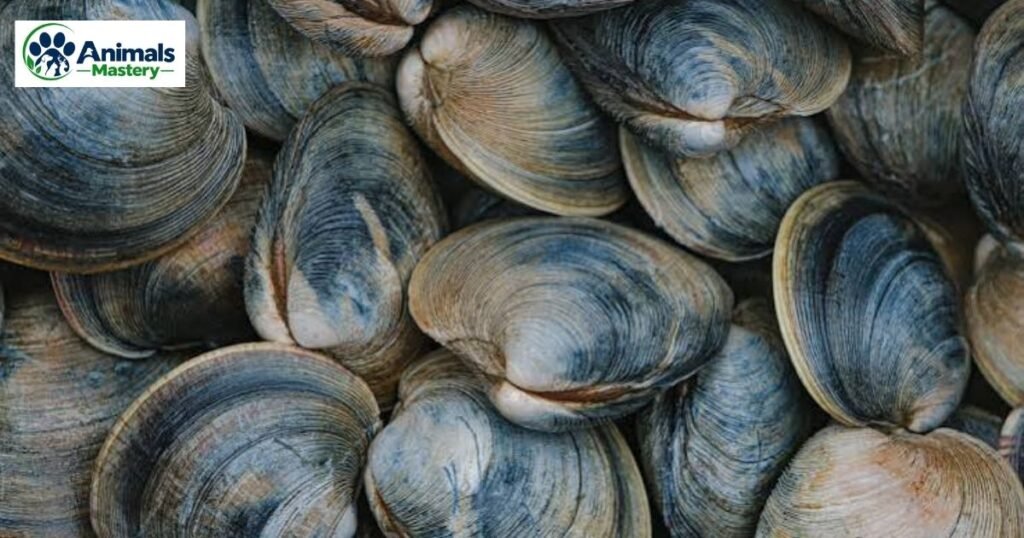
What makes quahogs particularly intriguing is their role in sustaining marine ecosystems. They filter water, contributing to healthier coastal environments, and serve as a vital food source for various marine animals, thus intertwining their fate with a diverse range of wildlife. The quahog’s cultural significance in various regions from clam chowder to wampum highlights their deep-seated place in both culinary traditions and local histories. Exploring the life of the quahog invites a broader conversation about biodiversity and the interconnectedness of life in our oceans.
Prawns, Prawn and Quahog Clam are both marine invertebrates
Quoll
- Scientific Name: Dasyurus
- Class: Mammalia
- Diet: Carnivore
Among the fascinating animals that start with Q, the quoll stands out with its striking appearance and intriguing behaviors. Native to Australia and New Guinea, these marsupials exhibit a charming blend of agility and curiosity, making them important players in their ecosystems. With their spotted coats and long tails, quolls not only captivate wildlife enthusiasts but also serve as key predators controlling populations of insects and small mammals.
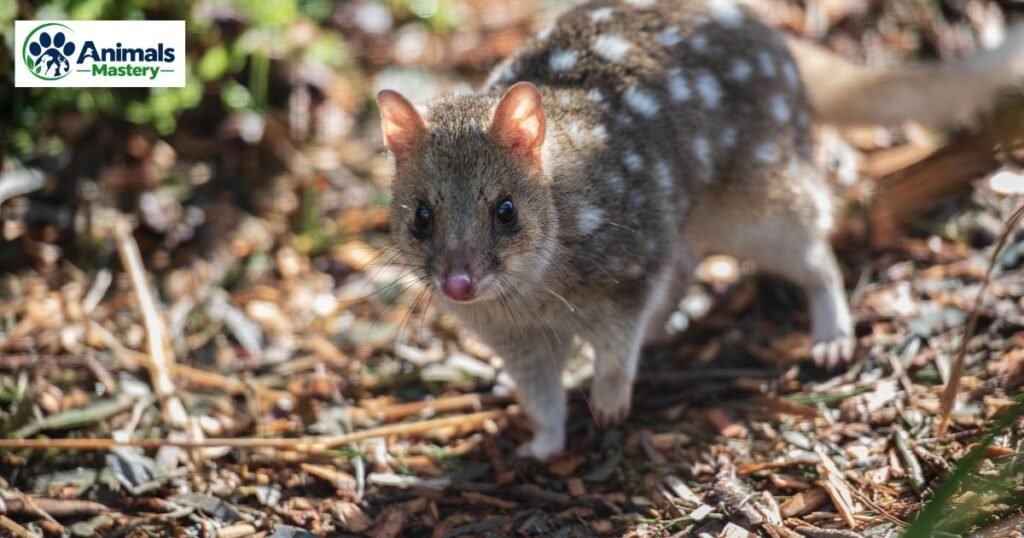
Quolls have a unique social structure; they can often be seen interacting within their family groups, showcasing behaviors that hint at complex social dynamics. Despite their nocturnal habits, quolls can adapt to various habitats, thriving in rainforests, woodlands, and even coastal regions. As conservation efforts ramp up, understanding the quoll’s role in its ecosystem becomes even more critical, urging us to appreciate this remarkable member of the animal kingdom and the sheer diversity it represents among animals that start with Q.
Queen Angelfish
- Scientific Name: Holacanthus ciliaris
- Class: Actinopterygii
- Diet: Omnivore
The Queen Angelfish, a vibrant jewel of the Caribbean reef, is a stunning example of marine beauty that deserves a spotlight among the top 16 animals that start with Q. Known for their brilliant hues, these fish exhibit a mesmerizing combination of electric blue, yellow, and green, making them a favorite for snorkelers and divers alike. Their striking coloration serves not just an aesthetic purpose; it plays a crucial role in mating displays and territorial defense, highlighting the complex social dynamics of reef ecosystems.
Beyond their colorful exterior, Queen Angelfish are fascinating in their dietary habits. These omnivorous fish primarily munch on sponges, algae, and even small invertebrates, showcasing their unique adaptations to thrive in their specific niche. Additionally, their play in the underwater world is integral to coral health, as they help control sponge populations that could otherwise outcompete corals. These fish in their natural habitat can inspire awe and appreciation for the intricate balance of life beneath the waves, making it clear why they hold such a prominent place in discussions about marine biodiversity.
Quokka
- Scientific Name: Setonix brachyurus
- Class: Mammalia
- Diet: Herbivore
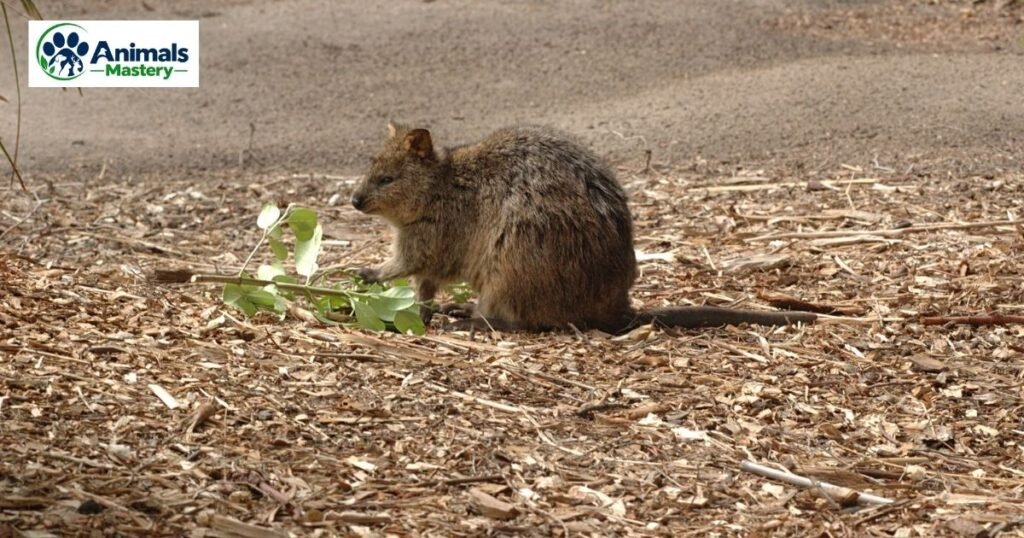
The quokka, often hailed as the world’s happiest animal, has carved out a niche in the hearts of wildlife enthusiasts and social media users alike. Native to Australia, this small marsupial is characterized by its round face, compact body, and an ever-present, seemingly infectious smile. Found primarily on Rottnest Island, quokkas are not only cute but also surprisingly sociable, often approaching humans with a curious demeanor that delightfully defies their timid reputation. Studying these animals that start with Q reveals fascinating insights into their behavior, particularly how they thrive in a distinct ecosystem with limited natural predators.
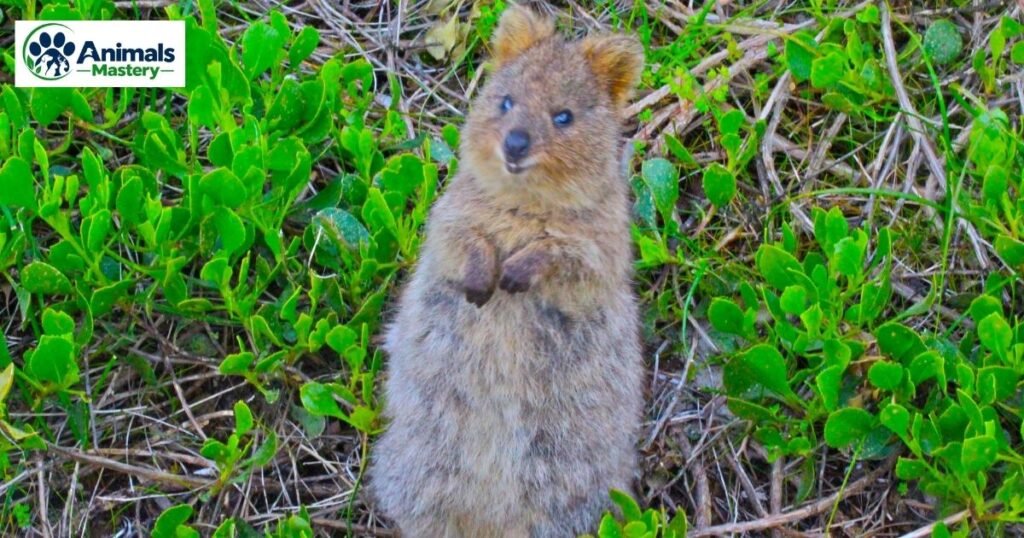
Quokkas have evolved to adapt to their arid environment, primarily consuming tough, fibrous plants. Their unique digestive system allows them to maximize nutrient extraction, showcasing nature’s ingenuity in survival strategies. Their conservation story highlights the delicate balance between human impact and wildlife preservation, reminding us of our responsibility to protect such enchanting creatures. As more people share their experiences with quokkas online, awareness about the need for their habitat protection grows, fostering a deeper appreciation for these charismatic animals and their role in Australia’s biodiversity.
koala, Quokka and koala both are native Australian mammals
Queen Parrotfish
- Scientific Name: Scarus vetula
- Class: Actinopterygii
- Diet: Herbivore
The Queen Parrotfish is one of nature’s most vibrant marvels, showcasing a mesmerizing palette of colors that can rival the rainbow. Found predominantly in the warm waters of the Caribbean, this remarkable fish plays a crucial role in maintaining coral reef health. As they graze on algae, these creatures prevent algae overgrowth, ensuring that corals, the architects of the reef, receive plenty of sunlight and nutrients. This ecological interaction positions the Queen Parrotfish as a guardian of underwater biodiversity, a fascinating contribution from one of the lesser-discussed animals that start with Q.
The Queen Parrotfish also has a unique ability to change its sex. Initially starting life as female, some individuals transform into males as they mature, a process that helps balance out the often skewed sex ratios in coral reef populations. This adaptability not only enhances their survival chances but also supports the dynamic social structures within their schools. The Queen Parrotfish, with its impressive size and complex behavior, invites us to appreciate the intricate relationships in marine ecosystems and reminds us of the wonders inherent in the animal kingdom, especially among those elusive animals that start with Q.
Quacking Frog
- Scientific Name: Crinia georgiana
- Class: Amphibia
- Diet: Carnivore
The quacking frog, a fascinating amphibian found primarily in the wetlands of Southeast Asia, stands out not only for its unique vocalizations but also for its vibrant coloration. This little creature gets its name from the distinct quacking sound it produces, which can echo through its muddy habitat, mimicking the call of a small duck. Unlike many frogs that rely solely on croaking, the quacking frog uses its distinctive vocal technique to attract mates and establish territory, showcasing the rich diversity of communication among animals that start with Q.
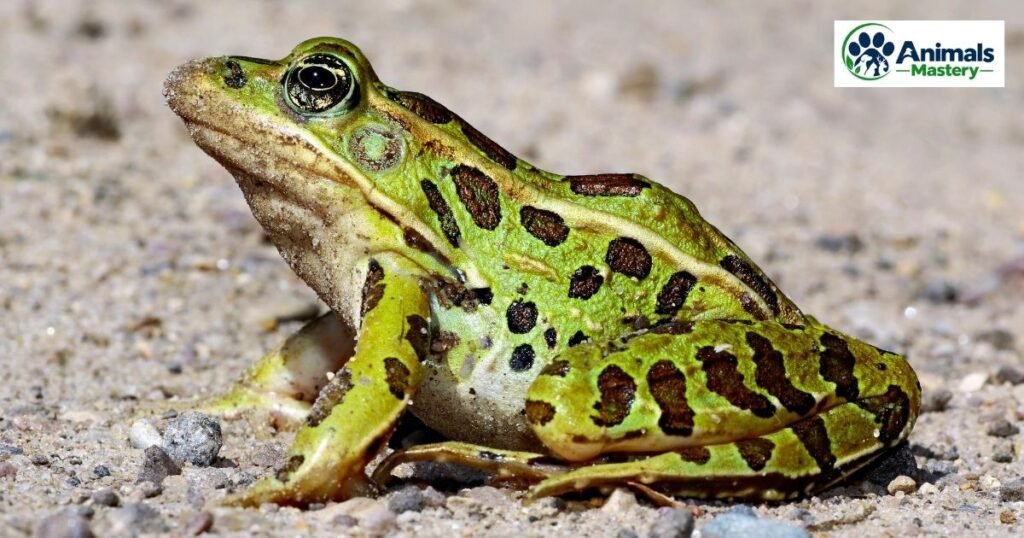
Beyond its quirky vocal prowess, the quacking frog plays a vital role in its ecosystem. By feeding on insects and other small invertebrates, it helps maintain the balance of its habitat. Like many amphibians, the quacking frog is under threat due to habitat destruction and climate change. Conserving these unique amphibians and their environments is crucial not only for biodiversity but also for the inspiration they provide. Just as with other animals that start with Q, their quirks remind us of nature’s endless creativity and the interconnectedness of all living beings.
Quillback
- Scientific Name: Carpiodes cyprinus
- Class: Actinopterygii
- Diet: Omnivore
The quillback, a lesser-known fish species, offers a fascinating glimpse into the diversity of aquatic life. Found primarily in the freshwater rivers and lakes of North America, this striking creature showcases a unique blend of resilience and adaptability. With its elongated body and prominent dorsal spines, the quillback not only stands out visually but also plays a crucial role in its ecosystem, feeding on smaller fish, insects, and mollusks.
The quillback’s name isn’t just a nod to its physical appearance; it also hints at its defensive strategies. When threatened, these fish can quickly blend into their surroundings, employing camouflage as a survival tactic. This ability to adapt highlights the intricate relationships found in habitats where animals that start with Q coexist, emphasizing the delicate balance of nature. Engaging with the quillback can inspire a deeper appreciation for the often-overlooked species in our environment, urging us to advocate for their protection and the preservation of their ecosystems.
Queen Alexandra’s Birdwing Butterfly
- Scientific Name: Ornithoptera alexandrae
- Class: Insecta
- Diet: Herbivore
The Queen Alexandra’s Birdwing butterfly, a marvel of nature, stands as the largest butterfly species in the world, boasting an impressive wingspan that can reach up to a foot. Found primarily in the lush rainforests of Papua New Guinea, this vibrant insect dazzles with its striking colors, iridescent greens, blues, and yellows that shift as they catch the light. The butterfly’s large size and vivid hues serve not only as a breathtaking spectacle but also as a protective strategy, making it a remarkable example of evolution in action among animals that start with Q.
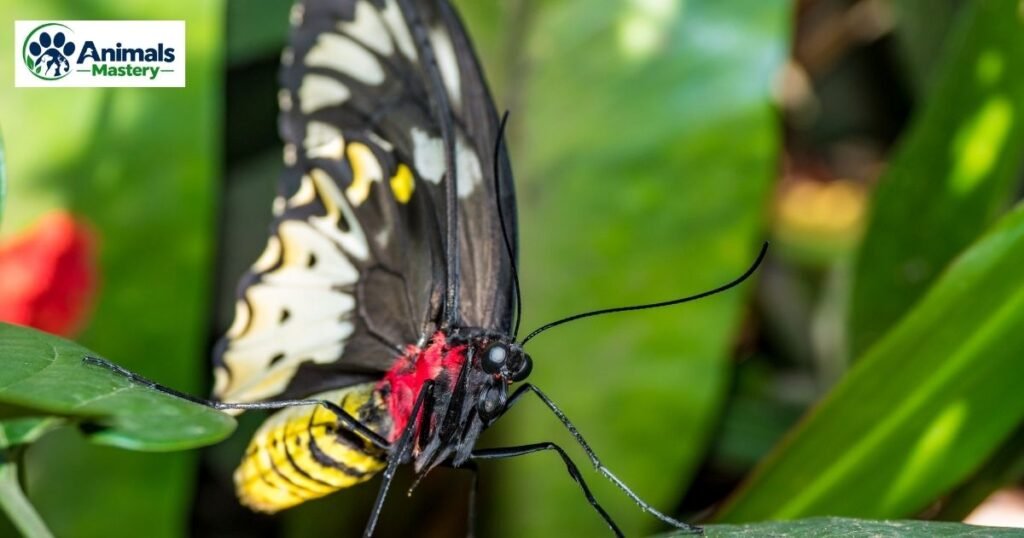
Its lifecycle begins when the female lays eggs on specific host plants, which provide vital nutrients for the larvae. The caterpillars themselves mimic bird droppings, cleverly evading predators during their vulnerable stages. As adults, these butterflies not only enchant viewers but also contribute significantly to pollination. They embody a perfect balance of beauty and ecological importance, prompting us to reflect on the incredible biodiversity of our planet and the urgent need to protect such exquisite creatures.
Quetzal
- Scientific Name: Pharomachrus
- Class: Aves
- Diet: Omnivore
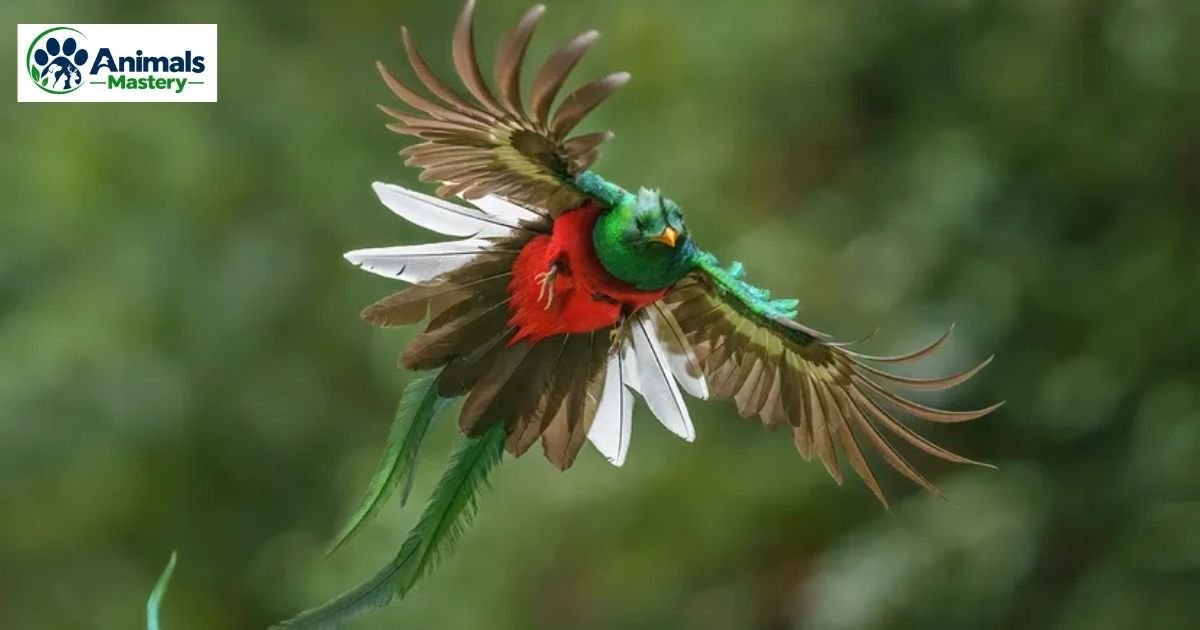
The quetzal, a striking bird native to Central America, stands out not just for its vibrant plumage but also for its cultural significance among indigenous peoples. Renowned for its emerald green feathers and long tail, the quetzal embodies freedom and beauty, largely due to its elusive nature, residing in mountainous rainforest habitats. Its diet primarily consists of fruits, particularly those of the wild avocado and guava, which contribute to the dispersal of seeds in its ecosystem, showcasing the quetzal’s vital role in maintaining biodiversity.
The quetzal is more than just a visual marvel; it also represents a fascinating intersection of conservation and cultural heritage. With a diminishing population largely due to habitat destruction and hunting, efforts to protect this stunning bird have intensified, highlighting the importance of sustainable practices in preserving it for future generations. As one of the few animals that start with Q, the quetzal reminds us of the fragile balance between nature and human intervention, pushing us to reflect on our responsibility to safeguard such extraordinary species.
Queensland Grouper
- Scientific Name: Epinephelus lanceolatus
- Class: Actinopterygii
- Diet: Carnivore
The Queensland Grouper, a majestic fish native to the coastal waters of Australia, embodies the stunning biodiversity of marine life. Often mistaken for other large fish, this species can grow up to eight feet long and weigh over 1,000 pounds. Its impressive size and striking patterns make it a favorite among divers and underwater photographers looking to capture the elusive beauty of animals that start with Q.
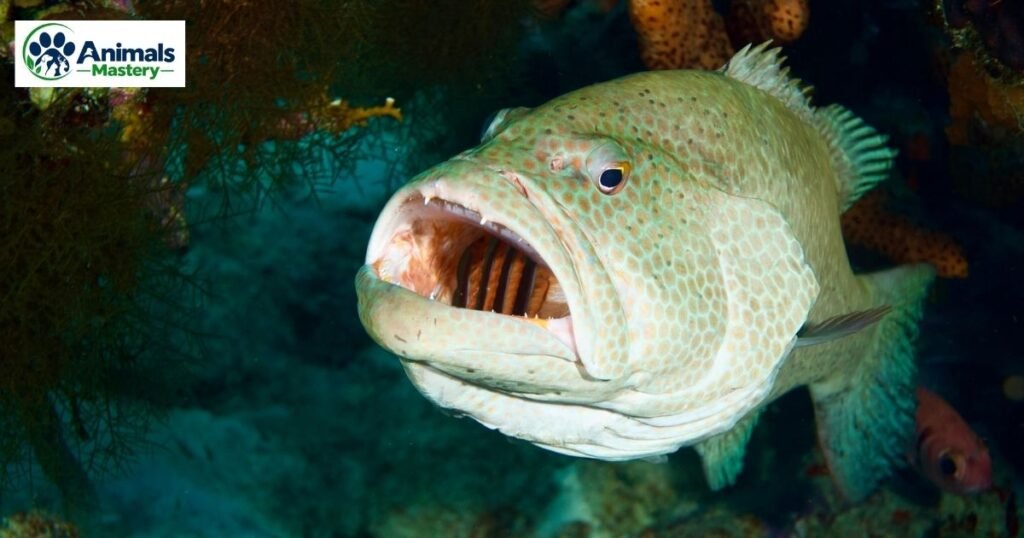
Its imposing stature, the Queensland Grouper plays a crucial role in the ecosystem. As a top predator, it helps maintain the balance of reef communities by managing the populations of smaller fish. Surprisingly, these fish are known for their gentle disposition, often approaching divers out of curiosity rather than aggression. Their behavior offers a unique glimpse into the social structures of marine life, challenging common perceptions about predator species. This gentle giant reminds us of the importance of preserving its habitat and the delicate interplay of life in our oceans.
Quiscalus
- Scientific Name: Quiscalus
- Class: Aves
- Diet: Omnivore
Quiscalus, often overshadowed by more glamorous birds, showcases the beauty of adaptability in the animal kingdom. Commonly known as grackles, these birds, primarily found across the Americas, boast striking iridescent plumage that shifts colors in sunlight, captivating anyone lucky enough to observe their dance. Their intelligence rivals that of some mammals; they utilize problem-solving skills to navigate urban environments and find food, making them remarkable examples of behavioral adaptability among animals that start with Q.
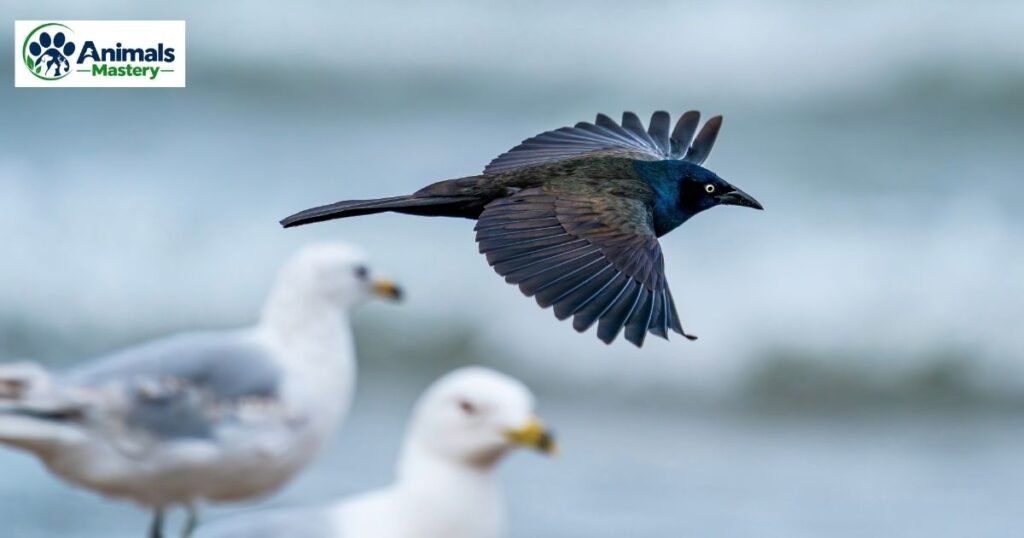
Social creatures by nature, Quiscalus often flock in large groups, displaying an intricate social hierarchy that aids in foraging and predator avoidance. Their vocalizations are a fascinating aspect of their behavior, ranging from melodic whistles to harsh caws, creating a symphony that enhances their presence in diverse habitats. Watching their collaborative efforts in building nests or defending territory provides a window into the complexities of avian society, inviting observers to appreciate the intricate dynamics of life beyond the usual charismatic megafauna.
Queen Triggerfish
- Scientific Name: Balistes vetula
- Class: Actinopterygii
- Diet: Carnivore
The Queen Triggerfish, known scientifically as *Balistes vetula*, is a mesmerizing marine creature that thrives in the vibrant coral reefs of the tropical Atlantic. With its striking colors, ranging from bold blues to rich yellows, this fish not only catches the eye but also showcases nature’s artistry. What sets the Queen Triggerfish apart from other animals that start with Q is its unique behavior; it actively defends its territory from intruders, employing its strong dorsal spine as a formidable weapon. This fish can even twist its body to dart away from predators, demonstrating an impressive agility that belies its size.
The relationship that the Queen Triggerfish has with its environment extends beyond mere survival. They are known to nibble on algae and small invertebrates, contributing to the health of coral ecosystems. Conversely, the fish’s presence helps control the population of certain coral-harming species. By understanding their role in these complex relationships, we can appreciate how such creatures fit into the intricate web of marine life. The Queen Triggerfish in its natural habitat is not just a visual delight; it offers insights into the balance of ecosystems and the importance of biodiversity in our oceans.
Explore More : Top 18 Animals That Walk On Two Legs (With Images)
Quail
- Scientific Name: Coturnix coturnix
- Class: Aves
- Diet: Omnivore
Quails, often overlooked when discussing animals that start with Q, possess a charm and resilience that intrigues bird enthusiasts and casual observers alike. With their compact, plump bodies and striking plumage, these ground-dwelling birds have adapted remarkably to varied habitats, from the deserts of North America to the lush grasslands of Europe. Known for their charmingly melodic calls, quails not only captivate us with their beauty but also play a vital role in their ecosystems by assisting in seed dispersal and providing food for a variety of predators.
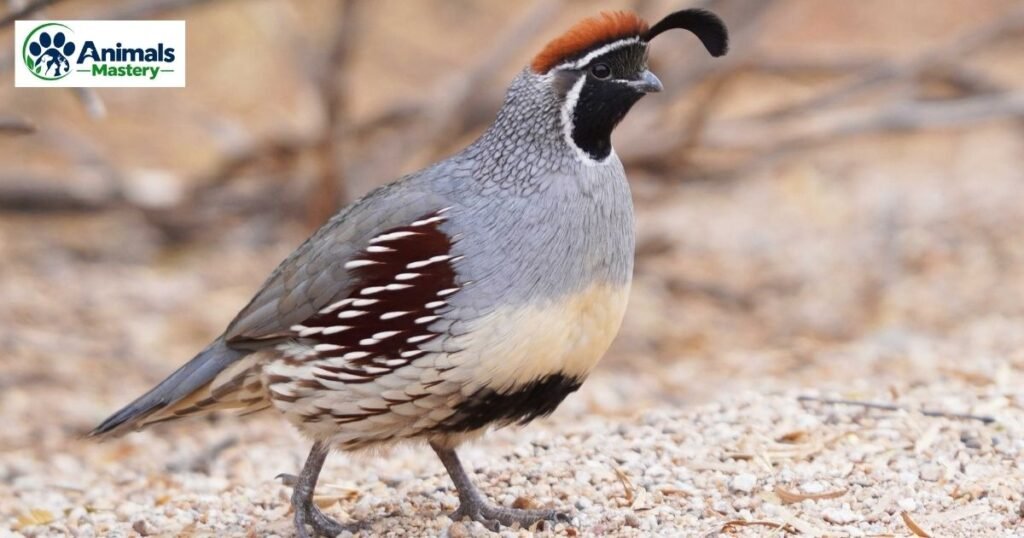
Quails exhibit fascinating social behaviors, often forming large coveys that provide safety in numbers. This communal lifestyle fosters a rich tapestry of interactions, teaching us about cooperation and survival. Moreover, the adaptability of quails offers more than just their environmental resilience; these birds thrive in both wild and cultivated landscapes, making them a perfect example of how wildlife can coexist alongside human activity. The next time you think of animals that start with Q, remember the quail’s enchanting nature and its significant contributions to biodiversity.
Queensland Lungfish
- Scientific Name: Neoceratodus forsteri
- Class: Sarcopterygii
- Diet: Omnivore
The Queensland lungfish, an enigmatic creature found in the freshwater rivers of Australia, stands as a living link to the ancient past. As one of the few extant representatives of a lineage that dates back over 300 million years, it offers a glimpse into the evolutionary journey of vertebrates. These fish possess both gills and a modified lung, allowing them to thrive in low-oxygen environments, showcasing a fascinating adaptation that blurs the lines between fish and land-dwelling animals.
In a world where many species face extinction, the Queensland lungfish serves as a reminder of the delicate balance of ecosystems. Its unique physiology allows it to survive in conditions where other aquatic animals might perish, but human activities threaten its habitat. Conservation efforts have become crucial not only for this remarkable species but also for the biodiversity of waterways it inhabits. By understanding and protecting the Queensland lungfish, we engage in a broader narrative about our responsibility to safeguard the animal kingdom, especially for those rare animals that start with “Q” and captivate our imaginations.
Queen Snake
- Scientific Name: Regina septemvittata
- Class: Reptilia
- Diet: Carnivore
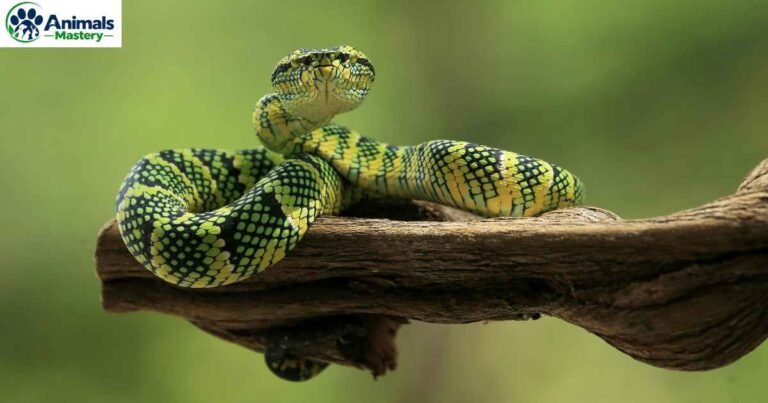
The queen snake, an intriguing member of the “Animals That Start With Q,” has captured the fascination of herpetologists and nature lovers alike. Native to the northern and central United States, these slender, non-venomous reptiles thrive in water-rich habitats, such as streams and wetlands. Their diet primarily consists of soft-shelled aquatic prey, especially crayfish, making them adept hunters in their rippling environments.
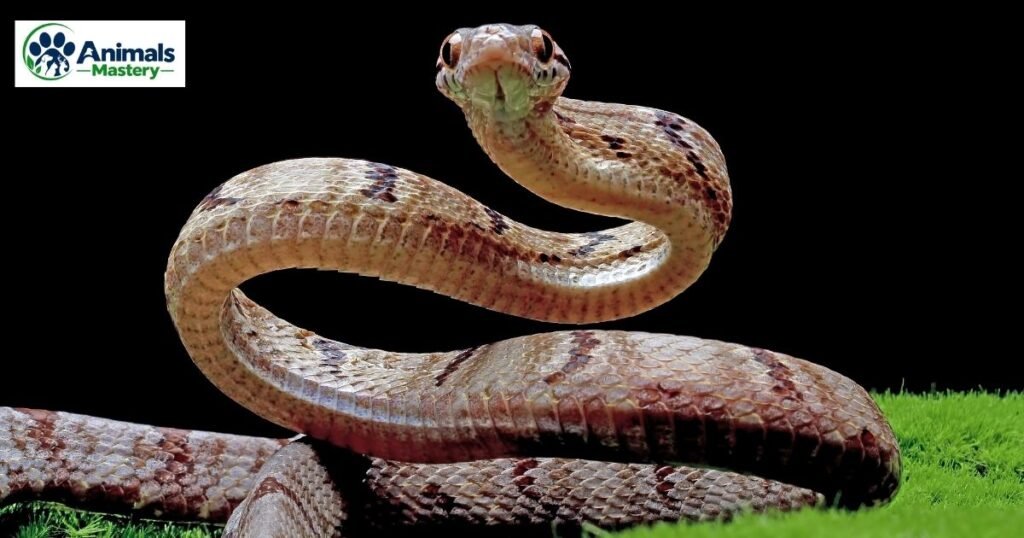
The queen snake apart is its remarkable camouflage, which allows it to blend seamlessly with both aquatic flora and rocky substrates, providing an advantage against predators. Notably, they exhibit a unique maternal behavior; female queen snakes give birth to live young rather than laying eggs, enhancing their offspring’s chances of survival in their precarious habitats. This adaptive strategy reflects the delicate balance of life in aquatic ecosystems and underscores how every species plays a crucial role in preserving biodiversity.
Quokka Frog
- Scientific Name: Anura
- Class: Amphibia
- Diet: Carnivore
The Quokka Frog, though lesser known in the expansive world of amphibians, offers a fascinating glimpse into the unique adaptations of animals that start with Q. This diminutive creature, often overshadowed by its more prominent relatives, possesses a rich green hue that allows it to blend seamlessly into its lush habitat. Its vocalizations mimic the sounds of nature around it, making its calls a delightful symphony that captivates those lucky enough to stumble upon its territory.
As an integral part of its ecosystem, the Quokka Frog exhibits remarkable behaviors, such as a unique mating dance that not only attracts partners but also showcases its vibrant colors to ward off potential predators. Its diet is a testament to versatility; it thrives on insects while also partaking in the occasional aquatic plant, showcasing nature’s intricate balance. The Quokka Frog reminds us that even within the seemingly mundane, there are intricate stories waiting to be uncovered, urging wildlife enthusiasts to delve deeper into the wonders of the animal kingdom.
Conclusion
In conclusion, the world of Animals That Start With Q, opens up a fascinating portfolio of unique species, each with its own special story and characteristics. From the quick and agile Quokka to the mysterious Quoll, these creatures showcase the diversity of wildlife found around the globe.
As we learn more about these animals, we also gain a deeper appreciation for the ecosystems they inhabit. It’s essential to protect these habitats to ensure future generations can also marvel at the wonders of nature.
FAQs
Which animals start with Q?
When it comes to animals that start with the letter “Q,” a few noteworthy examples come to mind. One of the most recognizable is the quokka, a small marsupial native to Australia.
What birds start with the letter Q?
Several birds start with the letter Q, among which the Quail is the most well-known. Quails are small, ground-dwelling birds found in various habitats around the world.
Is there a Q animal that is a mammal?
Yes, there is a mammal that starts with the letter “Q”: the Quokka. Native to Australia, particularly on several small islands off the southwestern coast, the Quokka is known for its friendly demeanor and adorable appearance.