Top 20+ Scavenger Birds in The World (With Pictures)
Scavenger birds play an essential role in our ecosystems, acting as nature’s clean-up crew by removing waste and controlling disease.
We’ll explore the Top 20 Scavenger Birds in the World, highlighting their vital contributions to conservation and environmental health. These remarkable birds, you’ll gain a deeper appreciation for their ecological importance and the balance they bring to our planet.
List of Scavenger Birds in The World
Below is the list of birds that are scavenger:
| Number | Names of Scavenger Birds |
| 1 | Andean Condor |
| 2 | Turkey Vulture |
| 3 | Griffon Vulture |
| 4 | Crested Caracara |
| 5 | Lappet-faced Vulture |
| 6 | Himalayan Griffon |
| 7 | Eurasian Jackdaw |
| 8 | Egyptian Vulture |
| 9 | Black Vulture |
| 10 | Marabou Stork |
| 11 | White-backed Vulture |
| 12 | Common Raven |
| 13 | King Vulture |
| 14 | Bearded Vulture |
| 15 | Northern Giant Petrel |
| 16 | Red Kite |
| 17 | Rüppell’s Vulture |
| 18 | Bald Eagle |
| 19 | Herring Gull |
| 20 | Carrion Crow |
Andean Condor
Scientific Name: Vultur gryphus
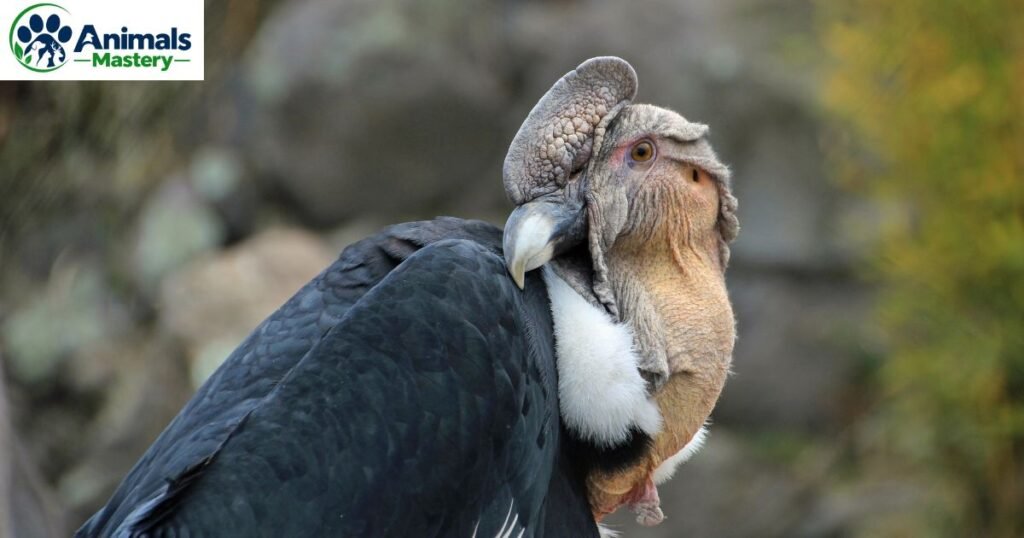
Large Wingspan : The Andean condor, known for its impressive wingspan, is one of the largest flying birds in the world, with a wingspan reaching up to 10 feet.
Scavenger Role : This magnificent bird plays a crucial role as a scavenger in the ecosystems of the Andes Mountains, helping to recycle vital nutrients by consuming carrion.
Disease Prevention : In doing so, it not only maintains the balance of its environment but also significantly contributes to disease prevention. By clearing dead animals, the condor reduces the risk of outbreaks that could impact both wildlife and human populations.
Conservation Threats : Despite its ecological importance, the Andean condor faces significant conservation threats. Habitat loss, poisoning from carcasses laced with toxins, and hunting have all contributed to its dwindling numbers. Conservation efforts are essential to ensure the survival of this majestic bird.
By engaging local communities in sustainable practices and raising awareness about the condor’s role, we can help protect this symbol of the Andes for future generations. The fate of the Andean condor serves as a reminder of the intricate connections within our ecosystems and the urgent need to safeguard them.
Turkey Vultures
Scientific Name: Cathartes aura
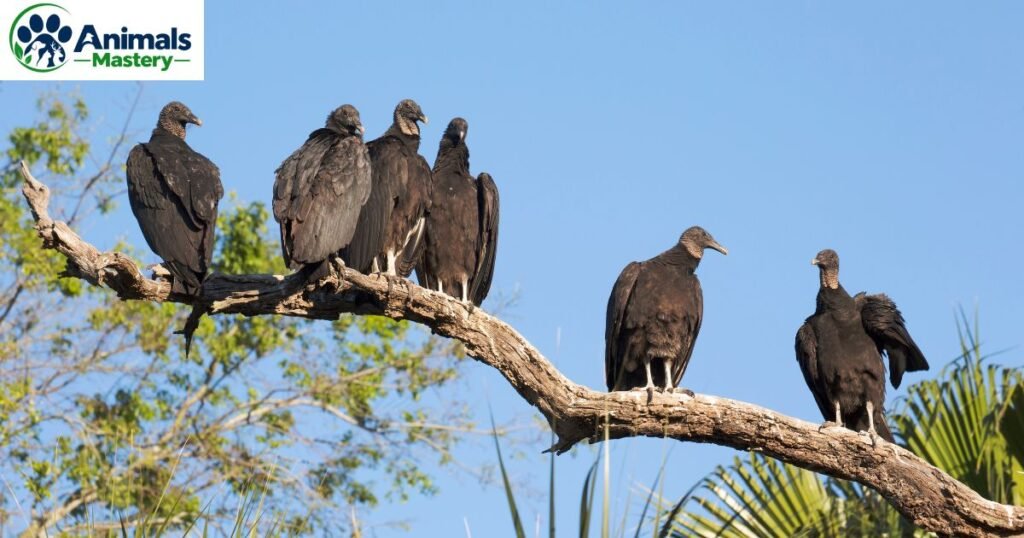
Keen Sense of Smell : Turkey vultures are fascinating creatures, primarily recognized for their remarkable keen sense of smell, which sets them apart from many birds of prey. Unlike most avian scavengers that rely on sight to locate food, these birds can detect the faintest scent of decaying carrion from miles away.
Carrion Consumption : This unique ability not only allows them to find meals efficiently but also emphasizes their crucial role in the ecosystem, as their carrion consumption is instrumental in disease prevention. By consuming dead animals, they help curb the spread of pathogens, making their presence beneficial for both wildlife and human communities.
Graceful Flight : Observing a turkey vulture in flight is a breathtaking experience. Their graceful flight patterns, characterized by their large wingspan and effortless glides, showcase their adaptability to various environments.
Ecological Balance : With wings held in a slight V-shape, they can soar at high altitudes, often riding thermals to conserve energy while scanning the ground below for their next meal.
This majestic poise in the air complements their ecological importance, reminding us that even in the cycle of life and death, beauty and purpose coexist in nature’s design. Each turkey vulture serves not just as a scavenger but as a vital link in the web of life, maintaining balance within their habitat.
Griffon Vultures
Scientific Name: Gyps fulvus
Impressive Wingspan : Griffon vultures, renowned for their impressive wingspan that can reach up to ten feet, embody the majesty of avian flight. These incredible creatures soar gracefully above mountainous terrains, their keen vision enabling them to spot carrion from several miles away.
Disease Prevention : This remarkable ability is not just a survival trait; it plays a crucial role in maintaining ecological balance by facilitating disease prevention. By consuming decaying animals, these birds help mitigate the spread of diseases that could otherwise affect both wildlife and human populations.
Conservation Threats : However, despite their significant contributions to the ecosystem, Griffon vultures face numerous conservation threats. Habitat destruction, poisoning from toxic carcasses, and a decline in available food sources have caused their populations to dwindle alarmingly.
Awareness and action are essential to protect these striking birds, as their role in the ecosystem is irreplaceable. By advocating for conservation efforts and creating protected zones, we can help ensure that the Griffon vulture continues to soar gracefully across our skies for generations to come.
Crested Caracara
Scientific Name: Caracara plancus
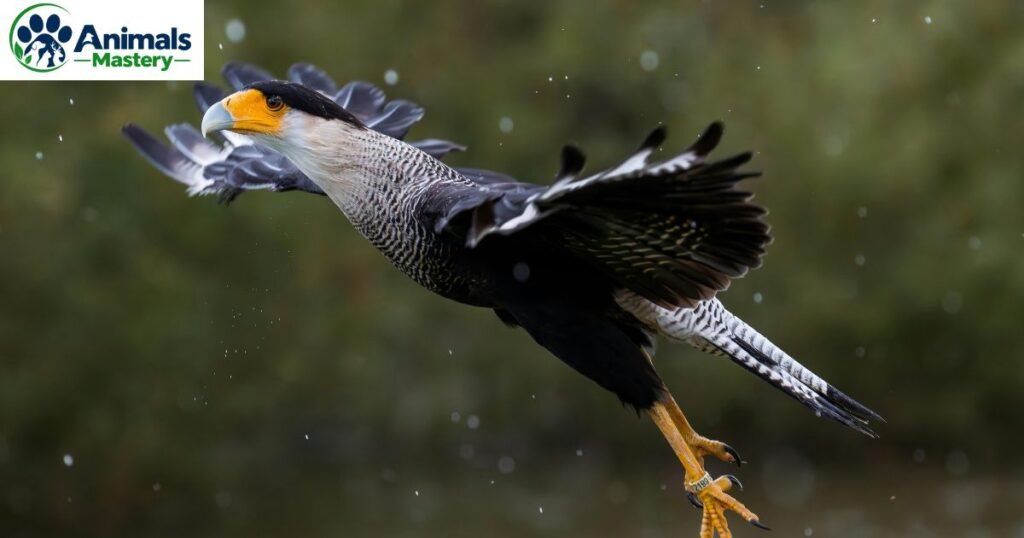
Adaptability : The Crested Caracara, often seen soaring over wide-open landscapes, exemplifies nature’s adaptability. This striking bird of prey, characterized by its distinctive crest and bold yellow face, has mastered the art of survival in diverse habitats, from grasslands to lightly forested areas.
Scavenging Behavior : Its scavenging behavior sets it apart; rather than solely relying on hunting, the Caracara deftly capitalizes on opportunistic feeding, often following larger predators to snatch their leftovers. This unique strategy not only highlights its intelligence but also showcases a remarkable survival instinct that allows it to thrive alongside more conventional hunters.
Intelligence : What is particularly fascinating about the Crested Caracara is its social nature. Some species engage in cooperative feeding working together to uncover hidden food sources or defend carcasses from rivals. This behavior mirrors the intricate social dynamics often seen in mammal groups, illuminating a complex layer of their intelligence.
Cooperative Feeding : Observing a flock of Caracaras engaging in this communal strategy offers a vivid glimpse into their world, revealing that even in the avian community, teamwork can be crucial for success.
As they adapt to changes in their environment and the availability of resources, the Crested Caracara continues to inspire awe and curiosity, reminding us of the intricate connections that define the tapestry of life.
Lappet-faced Vulture
Scientific Name: Torgos tracheliotos
Waste Management : The Lappet-faced Vulture, with its striking appearance and impressive wingspan, serves a critical role in the ecosystem as a waste management expert.
Disease Prevention : By consuming carrion, these birds help to mitigate the spread of disease, reducing the risk of infections that can be transmitted to both wildlife and human populations.
Their excellent sense of sight allows them to locate carcasses from high altitudes, showcasing their role as nature’s cleaners, a function that is increasingly vital in a world facing significant biodiversity loss.
Cooperative feeding : Cooperative feeding behaviors among Lappet-faced Vultures further highlight their sophisticated social structures. These birds often roost together, sharing resources when it comes to finding food, which not only ensures survival but also enhances their efficiency in scavenging.
Conservation Threats : However, despite their ecological importance, Lappet-faced Vultures face daunting conservation threats, such as habitat loss and poisoning due to human activities.
Protecting these majestic creatures is not just about preserving a species; it’s about maintaining the delicate balance of ecosystems that rely on them for health and stability.
Himalayan Griffon
Scientific Name: Gyps himalayensis
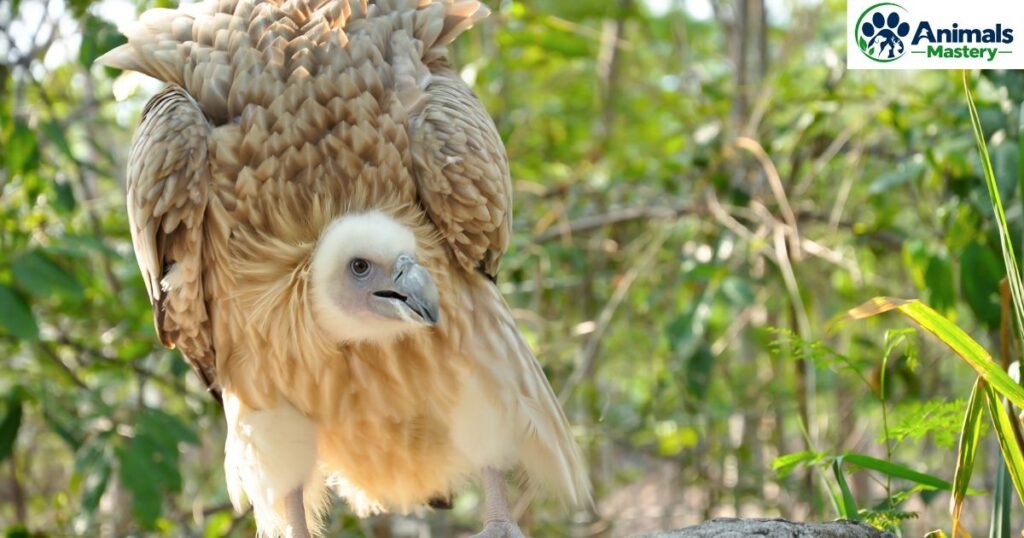
High-Altitude Adaptation : The Himalayan Griffon, a majestic bird of prey, exemplifies high-altitude adaptation like few others. These magnificent vultures have evolved to thrive in harsh mountainous terrains, soaring effortlessly at elevations that would challenge most animals.
Keen Eyesight : Their robust wingspan, which can reach up to three meters, allows them to glide with minimal energy expenditure, covering vast distances in search of carrion. This wingspan not only aids in travel but also gives them keen eyesight; they can spot potential meals from miles away, scanning the landscape with a precision that speaks to their evolutionary prowess.
Social Behaviour : But there’s more to the Himalayan Griffon than just its impressive physical attributes. Their social behavior is equally fascinating, as these birds often gather in large groups, communicating through a series of low grunts and hisses. This communal lifestyle enhances their efficiency in locating food and provides safety in numbers.
Conservation Threats : However, these remarkable creatures face significant conservation threats, including habitat loss and poisoning from carcasses laced with toxins intended for other animals.
Protecting the Himalayan Griffon not only ensures the survival of this iconic species but also maintains the ecological balance within their high-altitude habitats, underscoring the interconnectedness of life within these rugged landscapes.
Eurasian Jackdaws
Scientific Name: Coloeus monedula
Intelligence and Adaptability : Eurasian Jackdaws are among the most fascinating avian species, epitomizing both intelligence and adaptability in their behavior.
Renowned for their problem-solving skills, these birds have showcased their ability to navigate complex environments, utilizing tools and even understanding nuances in human interactions.
Their cognitive prowess sets them apart, allowing them to adapt to urban settings where other species might struggle, proving they are as comfortable foraging in bustling towns as they are in serene woodlands.
Social Bonds and Communication : What truly captivates researchers is the intricate social structure of jackdaw communities. These birds establish strong social bonds, often forming lifelong partnerships, which are evident in their vocal communication and behaviors.
Their calls are not merely random squawks; they are sophisticated signals that convey information about food sources, predators, and even emotional states, illustrating a rich tapestry of social interactions.
This level of communication not only reinforces social ties but also bolsters collective problem-solving, showcasing how their intelligence thrives in a communal context.
Egyptian Vulture
Scientific Name: Neophron percnopterus
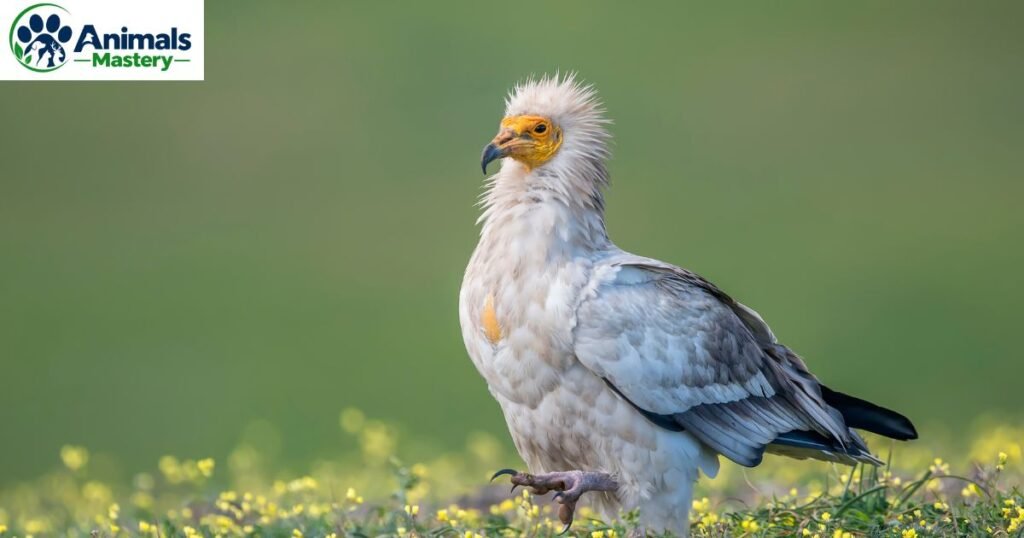
Tool Use : The Egyptian Vulture is a fascinating example of avian intelligence, particularly noted for its unique tool use.
Problem-Solving : Unlike many birds, these vultures have been observed using stones to crack open eggs, showcasing their problem-solving abilities. This behavior not only highlights their cognitive skills but also underscores their adaptability in various environments.
Such behaviors can shed light on the evolutionary pressures faced by these birds, allowing them to thrive in the often harsh ecosystems of North Africa and Southeast Europe.
Disease Preventation : Egyptian Vultures play a critical role in disease prevention by scavenging carrion, which helps control the spread of infectious diseases.
Conservation Threats : However, this essential ecological service is increasingly threatened due to habitat loss, poisoning, and illegal hunting, putting their populations at significant risk.
Innovative conservation strategies are crucial to ensuring the survival of this remarkable species, including awareness campaigns and habitat protection initiatives.
By understanding their unique adaptations and ecological roles, we can better appreciate the urgency of addressing the conservation threats that jeopardize the Egyptian Vulture’s existence. Secretary Bird, the Secretary Bird and Egyptian Vulture are both fascinating birds of prey.
Black Vulture
Scientific Name: Coragyps atratus
Sense of Smell : The Black Vulture, often found soaring in the skies of the Americas, plays a crucial role in its ecosystem as a scavenger. Unlike many birds of prey, its most distinctive feature is its exceptional sense of smell, which enables it to detect carrion from great distances.
This remarkable ability allows Black Vultures to locate food sources that other scavengers may miss, demonstrating their vital place in waste management within nature.
Adaptability : Adaptability is key to the Black Vulture’s survival; these birds adjust not just to their environments but also to human activities.
Social Behaviour : Their social behavior, marked by strong flock dynamics, enhances their scavenging efficiency. When one vulture spots a carcass, the others in the group quickly gather, ensuring they make the most of the available resource.
This communal approach not only underscores their intelligence but also highlights their importance in maintaining ecological balance, as they help prevent the spread of disease by consuming rotting remains. Their presence serves as a reminder of the interconnectedness of life, where each creature plays its part in the grand tapestry of nature
Marabou stork
Scientific Name: Leptoptilos crumenifer
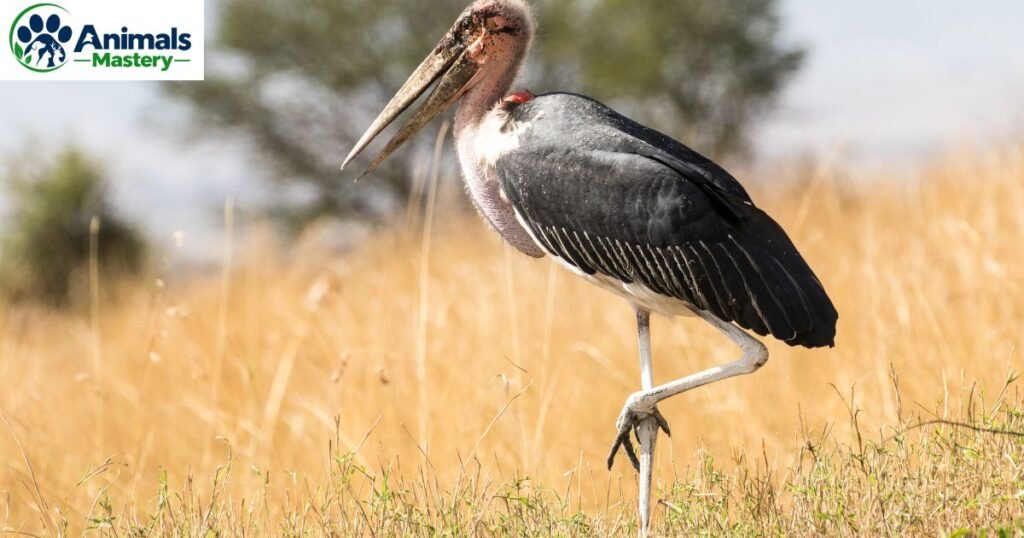
Scavenging Role : The marabou stork, often dubbed nature’s clean-up crew, plays a critical scavenging role in its ecosystem. With its imposing wingspan and unique appearance, this bird isn’t just a striking figure against the African skyline; it’s an essential player in maintaining ecological balance.
Opportunistic Feeding : Its opportunistic feeding habits allow it to thrive in various habitats, from bustling urban areas to expansive savannas. By consuming carrion, the marabou stork curtails the spread of disease, effectively acting as a natural waste management system.
Adaptability : Adaptability is the marabou’s hallmark; it excels in adjusting its diet based on environmental conditions. In times of drought or scarcity, these storks will forage for insects, smaller animals, or even human refuse, showcasing their resilience and resourcefulness. This flexibility not only ensures their survival but also highlights the intricate web of interdependence within their ecosystems.
Disease Prevention : Observing these birds in action offers a fascinating glimpse into the complex dynamics of scavengers and their essential contributions to disease prevention and ecological health.
White-backed Vulture
Scientific Name: Gyps africanus
Ecosystem Balance : The White-backed Vulture plays a pivotal role in maintaining ecosystem balance, serving as nature’s cleanup crew. These majestic birds excel in scavenging, primarily feeding on carrion, which prevents the spread of disease in their habitats.
Nutrient Recycling : By consuming dead animals, they curb potential outbreaks that could devastate both wildlife and human populations. This process not only safeguards the health of ecosystems but also promotes nutrient recycling, enriching the soil with essential minerals as their undigested remains are deposited back into the environment.
Conservation Threats : However, conservation threats loom large for the White-backed Vulture, creating a ripple effect in the ecosystems they help sustain. From habitat loss to poisoning from livestock carcasses laced with veterinary drugs, their declining numbers can significantly disrupt ecological harmony.
Disease Prevention : As these birds disappear, the balance they maintained falters, leading to an upsurge in disease and a decline in nutrient recycling. Protective measures are not just vital for the vulture’s survival; they are essential for the health of the entire ecosystem, illustrating the interconnectedness of wildlife and environmental stability.
Common Raven
Scientific Name: Corvus corax
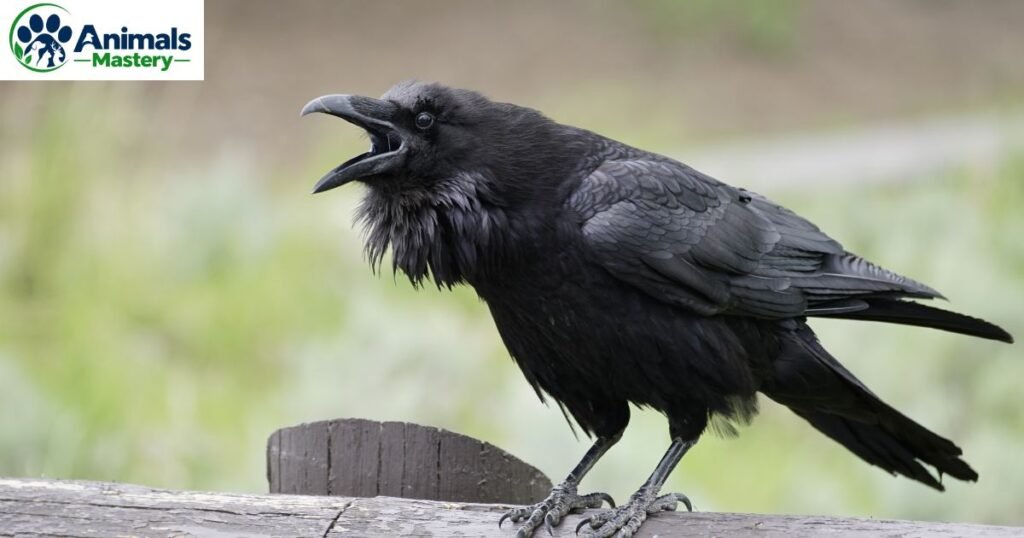
Intelligence : The common raven, a true marvel of the avian world, showcases remarkable intelligence that often rivals that of some primates.
Problem-Solving : These birds are not just adept at problem-solving; they exhibit an impressive understanding of cause and effect. Researchers have observed ravens cleverly using tools, such as sticks or stones, to access hard-to-reach food sources. This problem-solving prowess isn’t instinctual but a testament to their ability to adapt and innovate in ever-changing environments.
Social Intelligence : Social intelligence is another fascinating aspect of the common raven’s behavior. These birds thrive on complex social networks, engaging in cooperative behaviors that reflect a nuanced understanding of their companions’ personalities and intentions.
Communication : Their communication skills are equally sophisticated; ravens utilize a variety of vocalizations and body language to convey detailed messages about threats or food sources, signaling any changes in their environment to fellow ravens.
This intricate web of interaction not only highlights their cognitive abilities but also emphasizes the importance of social bonds among these remarkable creatures, whose antics can be just as captivating as their intellect.
King Vulture
Scientific Name: Sarcoramphus papa
Ecological Role : The King Vulture, with its striking appearance and significant ecological role, stands as a testament to the wonders of nature’s design. These magnificent birds are essential players in their ecosystems, specializing in the art of scavenging.
Nutrient Recycling : By consuming carrion that other species may overlook, King Vultures drive nutrient recycling, ensuring that vital substances are returned to the soil. This process not only enriches the environment but also helps maintain the delicate balance of their habitats.
Sense of Smell : A lesser-known yet fascinating aspect of the King Vulture’s biology is its incredible sense of smell. Unlike many of its vulture cousins, this avian scavenger can detect the faintest scents of decaying matter miles away, making it a formidable forager.
Social Cooperation : This ability enhances social cooperation among these birds, allowing them to gather at feeding sites where a feast awaits. Such communal behavior not only ensures a more efficient feeding process but also highlights the interconnectedness of species within their habitat, where each leverages its unique skills for survival and sustenance.
Bearded Vulture
Scientific Name: Gypaetus barbatus
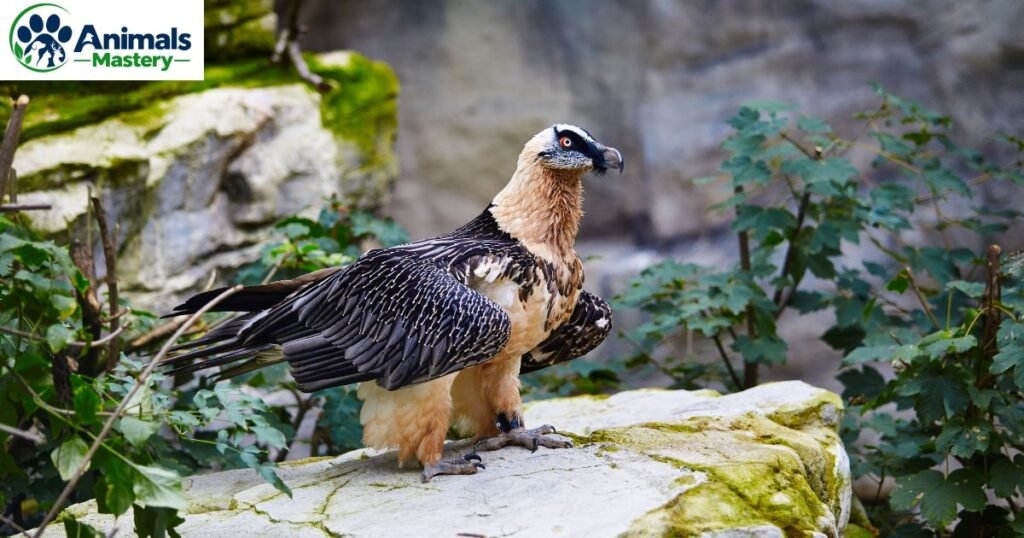
Bone-Eating : The Bearded Vulture, often dubbed the “bone-eating” bird, showcases a fascinating adaptation to its mountain habitat that is as remarkable as its striking appearance.
Unlike other scavengers, it has developed a unique diet primarily consisting of bones, which it skillfully drops from great heights to crack open and access the nutritious marrow inside. This spectacular feeding strategy not only highlights its role in the ecosystem but also reveals its impressive spatial awareness and strength, making it a master of alpine survival.
Courtship Behavior : Beyond its impressive feeding habits, the Bearded Vulture exhibits intriguing courtship behavior, often engaging in aerial displays that resemble an elaborate dance.
During mating rituals, partners will soar together in sweeping arcs, showcasing their agility and commitment. This bond extends beyond courtship, as pairs work collaboratively to find suitable nesting sites in rugged cliff faces, effectively managing their delicate offspring in a challenging environment.
Tool Use : Moreover, their ability to use tools such as manipulating sticks and stones to construct nests demonstrates a level of intelligence rarely seen in birds.
Each aspect of their life, from their eating habits to their social structures, paints a picture of resilience and adaptability in one of nature’s most captivating species.
Northern Giant Petrel
Scientific Name: Macronectes halli
Marine Adaptation and Scavenging : Adaptation The Northern Giant Petrel exemplifies remarkable marine adaptation, mastering the art of scavenging amidst the harsh environments of the Southern Ocean. These formidable seabirds, with wingspans reaching nearly 6.5 feet, are not just skilled fliers; they are also efficient recyclers of the ocean’s bounty.
Resilience : By feeding on everything from fish remains to the bodies of marine mammals, they play a crucial role in the ecosystem, demonstrating an exceptional resilience that allows them to thrive where food sources are often scarce.
Wind Mastery : What sets the Northern Giant Petrel apart is its unmatched wind mastery, enabling it to glide effortlessly over tumultuous seas. Their unique wing structure allows them to exploit wind currents, conserving energy while searching vast oceanic expanses for nourishment.
This ability not only showcases their physical prowess but also speaks to their evolutionary success in a challenging habitat, where survival hinges on adaptability and skill. As climate change impacts marine ecosystems, the resilience of these birds will be pivotal in understanding how wildlife can continue to flourish under shifting conditions.
Red Kite
Scientific Name: Milvus milvus
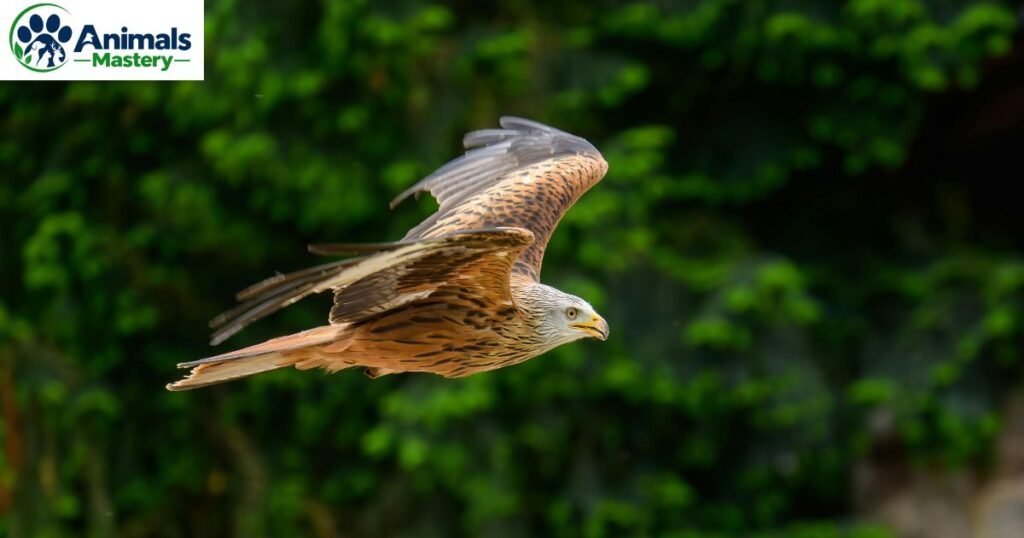
The Red Kite, with its striking forked tail and elegant wingspan, plays a remarkable role in maintaining the balance of our ecosystems.
Versatile Diet : Its versatile diet allows it to thrive in various environments, feeding on everything from small mammals to carrion. This adaptability not only ensures its survival but also highlights its importance as a scavenger, helping to keep the landscape clean and free of disease.
By consuming dead animals, Red Kites contribute significantly to nutrient cycling in their habitats, supporting a diverse community of flora and fauna.
Keen Eyesight : Equipped with keen eyesight, these birds can spot potential food sources from great heights, making them efficient foragers and hunters.
Their ability to soar gracefully on thermals while scanning the ground showcases their remarkable adaptation to open landscapes. This keen perception is crucial, especially in urban environments where food sources may require a more strategic approach.
Ecosystem Balance : As human activities continue to encroach on natural habitats, preserving the Red Kite’s role becomes increasingly vital, underscoring the interconnectedness of all species in sustaining a balanced ecosystem.
Rüppell’s Vulture
Scientific Name: Gyps rueppelli
Highest-Flying Bird : Rüppell’s Vulture, celebrated as the highest-flying bird in the world, soars to altitudes of over 37,000 feet, an astonishing feat that not only highlights its incredible physiology but also enables it to spot carrion from great distances.
Keen Eyesight : This keen eyesight allows it to identify potential meals, which are often scarce in harsh environments. However, these remarkable adaptations aren’t just for survival; they play a crucial role in maintaining ecosystem health, as vulture scavengers help prevent the spread of disease by consuming rotting carcasses that could otherwise become breeding grounds for pathogens.
Conservation Threats : Despite its ecological importance, Rüppell’s Vulture faces significant conservation threats. Human activities such as habitat loss, poisoning, and hunting have drastically reduced its populations across Africa.
Disease Prevention : In particular, the use of toxic substances to poison livestock has proven detrimental, leading to acute declines in vulture numbers and disrupting the balance of the ecosystems they serve. To avert the impending collapse of their habitats, focused conservation efforts are essential, emphasizing the need for public awareness and policy changes that safeguard this majestic bird and highlight its vital role in our natural world.
Bald Eagle
Scientific Name: Haliaeetus leucocephalus
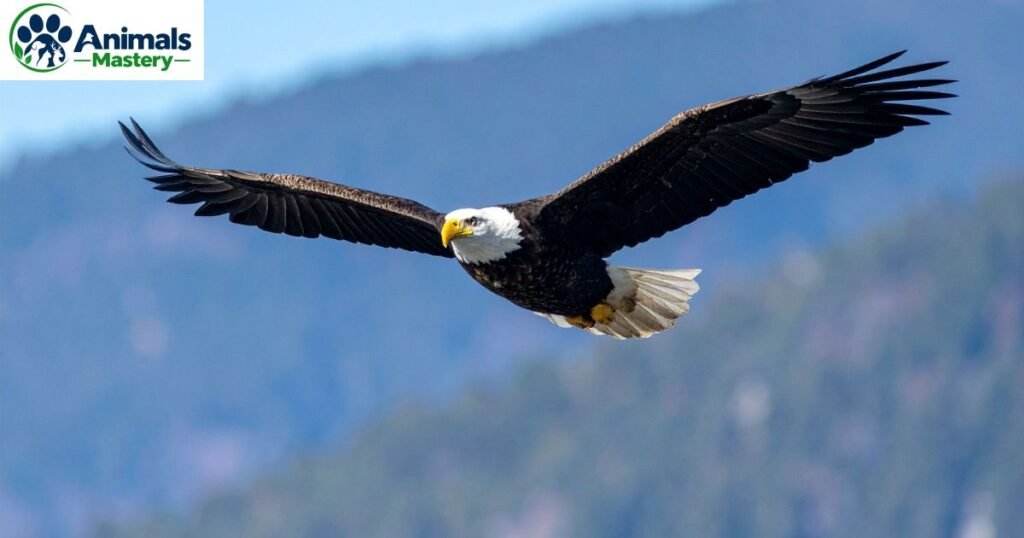
Scavenging Behavior : The bald eagle, often celebrated as a symbol of strength and freedom, showcases remarkable behavior adaptability that sets it apart in the avian world.
While many view it as a majestic hunter, this bird is also an adept scavenger, often utilizing its keen eyesight to locate carrion left behind by other predators. This scavenging behavior highlights its resourcefulness, allowing it to thrive in diverse environments from coastal shores to tranquil lakesides.
Social Behavior : In addition to its hunting prowess, the bald eagle exhibits complex social behavior that adds depth to its intelligence. These birds often engage in intricate aerial displays and can form loose social groups, particularly during non-breeding seasons.
Adaptability : Their ability to communicate and cooperate with other eagles not only enhances their survival skills but also offers insights into the social structures of wildlife.
Observing bald eagles in the wild, one can appreciate how their adaptable behaviors and social interactions contribute to their resilience, making them fascinating subjects for birdwatchers and nature enthusiasts alike.
Herring gulls
Scientific Name: Larus argentatus
Adaptability : Herring gulls exemplify the beauty of adaptability in the avian world, thriving in diverse environments from bustling urban areas to serene coastal regions. Their ability to navigate human landscapes speaks volumes about their resourcefulness, often finding abundant food sources where other species might struggle.
Opportunistic Feeding : This opportunistic feeding strategy allows them to exploit everything from discarded takeout to small fish, showcasing their remarkable flexibility in diet and habitat.
Social Behaviour : Beyond their foraging habits, herring gulls exhibit fascinating social behaviors that intrigue both ornithologists and casual bird watchers alike. Often seen congregating in large groups, these birds communicate through a complex array of calls and postures, fostering a sense of community.
Communication : Their social interactions aren’t merely for mating or nesting; they often involve cooperative tactics to divert attention from food sources or to warn of approaching predators, demonstrating a sophisticated level of social intelligence that enhances their survival in the wild.
Carrion Crow
Scientific Name: Corvus corone
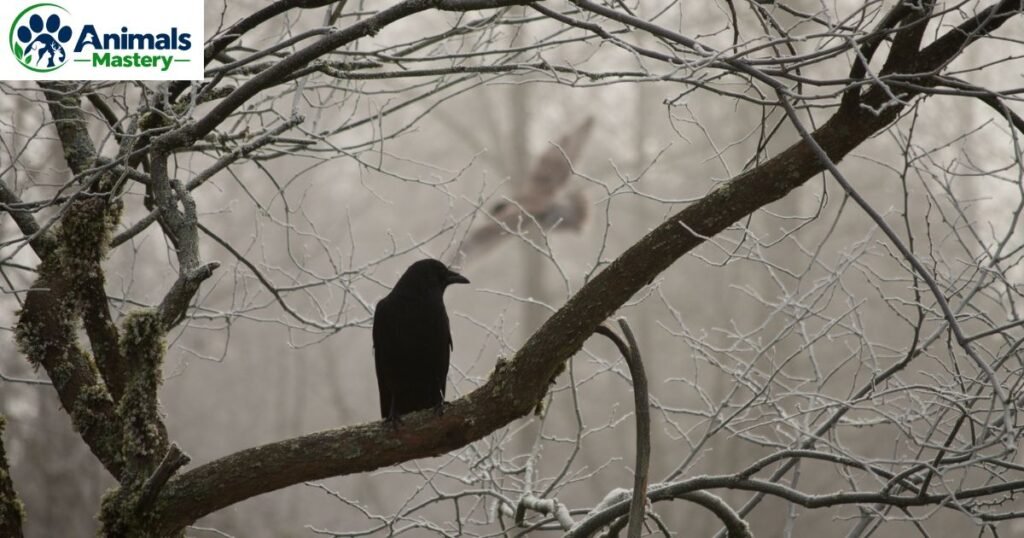
Adaptability : The Carrion Crow, often shrouded in superstitions, reveals a remarkable adaptability that has cemented its success across diverse environments.
Thriving in urban landscapes as much as in rural areas, this intelligent bird showcases a keen ability to exploit any available resources. Its diet, primarily scavenged from carrion, underscores an essential role in Disease prevention, as these crows help keep ecosystems clean, minimizing the spread of pathogens.
Social Intelligence : What sets the Carrion Crow apart is its impressive social intelligence, often seen working collaboratively to navigate challenges. Observations of tool use, not just in finding food but in refining techniques, challenge traditional views of avian capabilities and hint at a deeper cognitive sophistication.
This bird’s ability to learn from each other and adapt strategies enhances their survival, inviting us to reconsider our assumptions about animal behavior and the complexities of interspecies interactions.
Engaging with these crows invites a deeper appreciation for the intricate webs of life in which they play a pivotal role. Common Crane is also a black color crow.
Conclusion
Scavenger birds showcase an incredible variety of species that are not only fascinating to observe but also crucial for ecological health. Their ability to locate and consume carcasses helps maintain clean landscapes and fosters biodiversity.
Each bird on this list brings its own set of skills and adaptations that underline their importance in the food chain. By understanding more about these remarkable creatures, we can foster a deeper appreciation for nature’s intricate web. Join the journey of conservation and advocacy for these scavengers, ensuring they thrive for generations to come.’
FAQs
Which Bird is Called a Scavenger?
Scavengers are birds that feed primarily on the remains of dead animals. One of the most well-known scavengers is the vulture.
What is the Biggest Scavenger Bird?
The biggest scavenger bird is the Andean condor, which is native to South America.
Is There a King Vulture?
Yes, there is indeed a bird known as the King Vulture. Scientifically classified as Sarcoramphus papa, this striking bird is primarily found in the tropical regions of Central and South America.
What is Another Name for a Vulture?
Another name for a vulture is a “buzzard,” although this term can vary in meaning depending on the region.