Top 23 Animals With Long Tails: Pictures & Interesting Facts
In our exploration of the Top 23 Animals with Long Tails, we’ll unveil the fascinating adaptations and purposes behind these impressive appendages.
From enhancing balance to signaling danger, long tails play crucial roles in the survival of many species. By the end of this article, you’ll be amazed by their beauty and understand the significance of tails in the animal kingdom.
List of Animals with Long Tails
Explore this list of animals known for their distinctive long tails:
- Tree Kangaroo
- Ring-tailed Lemur
- Red Kangaroo
- Green Iguana
- Cheetah
- Thresher Shark
- Long-Tailed Grass Lizard
- Red Fox
- Angola Colobus
- Ring-tailed Coatis
- Giant Anteater
- Snow Leopard
- Howler Monkey
- Peacock
- Leopard Whipray
- Chameleon
- Spider Monkey
- Squirrel
- Giraffe
- Jerboas
- Black-and-White Ruffed Lemur
- Pangolin
- Clouded Leopard
Tree Kangaroo
- Scientific Name: Dendrolagus
- Class: Mammalia
- Diet: Herbivore
Treetop Balance: The tree kangaroo, a fascinating marsupial native to the rainforests of New Guinea and Australia, showcases extraordinary adaptations that enable it to thrive high above the forest floor. Unlike its ground-dwelling relatives, the tree kangaroo boasts a long, prehensile tail that aids in maintaining treetop balance while navigating the intricate canopy.
This remarkable tail functions like an extra limb, helping these nimble creatures leap from branch to branch in search of food and safety. Their strong hind legs and padded feet further enhance their agility, making them masters of the arboreal realm.
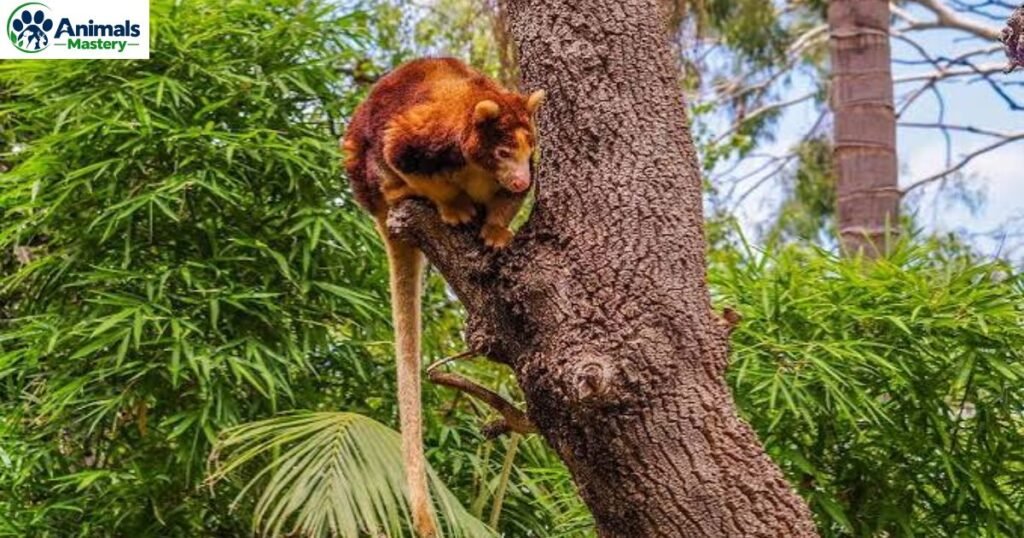
Strong, Flexible Tail: The tree kangaroo stands out not only for its unique arboreal lifestyle but also for its strong, flexible tail, which plays a crucial role in its daily activities. Unlike their ground-dwelling cousins, these marsupials have adapted to life high in the canopy, where their tails assist in balance and navigation among branches.
This remarkable appendage acts almost like a fifth limb, allowing them to leap gracefully from tree to tree, showcasing both agility and strength.
Arboreal Adaptation: The tree kangaroo stands as a remarkable example of arboreal adaptation among marsupials. Unlike their terrestrial cousins, these unique creatures have evolved elongated tails that provide balance while navigating the treetops and serve as a vital tool for communication. Their long tails act like a fifth limb, allowing them to grasp branches effortlessly as they leap between trees in their rainforest homes.
This adaptation underscores the versatility of nature, showcasing how evolution crafts survival strategies finely tuned to a specific habitat.
Ring-tailed Lemur
- Scientific Name: Lemur catta
- Class: Mammalia
- Diet: Herbivore
Social Signaling: The ring-tailed lemur is a fascinating example of how tails can play a pivotal role in social signaling among animals. Used for communication, their long, striking tails feature distinct black and white bands that not only contribute to their unique appearance but also serve as a form of non-verbal communication.
When lemurs gather in groups, the tails are often held high, creating a visual display that helps establish social dynamics within their troop. This behavior is crucial for maintaining group cohesion and can even signal warnings of potential threats.
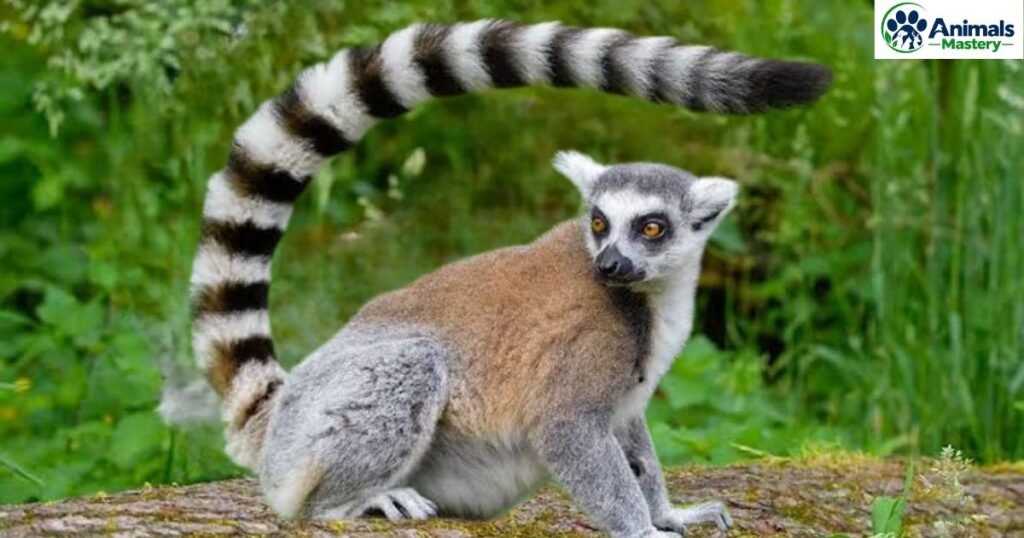
Balance: The ring-tailed lemur, native to Madagascar, is a true marvel of nature, showcasing its striking appearance and the incredible functionality of its long tail. This iconic tail, which can be as long as its body, serves multiple purposes: it provides balance when navigating the treetops and acts as a communication tool among troop members.
Scent Communication: The ring-tailed lemur stands out not only for its striking appearance but also for its remarkable social behaviors, especially regarding scent communication. These captivating primates utilize their long, striped tails as visual signals while navigating their intricate social hierarchies.
When displaying their tails, these lemurs engage in a phenomenon known as stink fighting, where they rub glands located on their wrists and tails to mark territory and communicate their status to both rivals and potential mates. This unique behavior highlights the intersection of biology and social dynamics.
Red Kangaroo
- Scientific Name: Osphranter rufus
- Class: Mammalia
- Diet: Herbivore
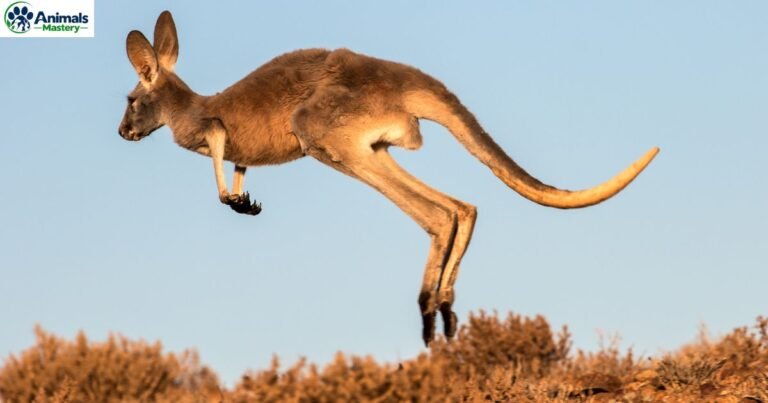
Hopping Balance: The Red Kangaroo stands out not just for its impressive size but also for its extraordinary long tail, which plays a critical role in its daily life. This tail serves as a vital tool for balancing during the kangaroo’s incredible hopping, allowing it to navigate the rugged Australian landscape with surprising agility.
When these marsupials leap, their long tails function like a counterbalance, ensuring they maintain equilibrium while covering substantial distances at high speeds. It’s fascinating to observe how this unique adaptation contributes not only to their locomotion but also to their survival in an environment filled with predators and scarce resources.
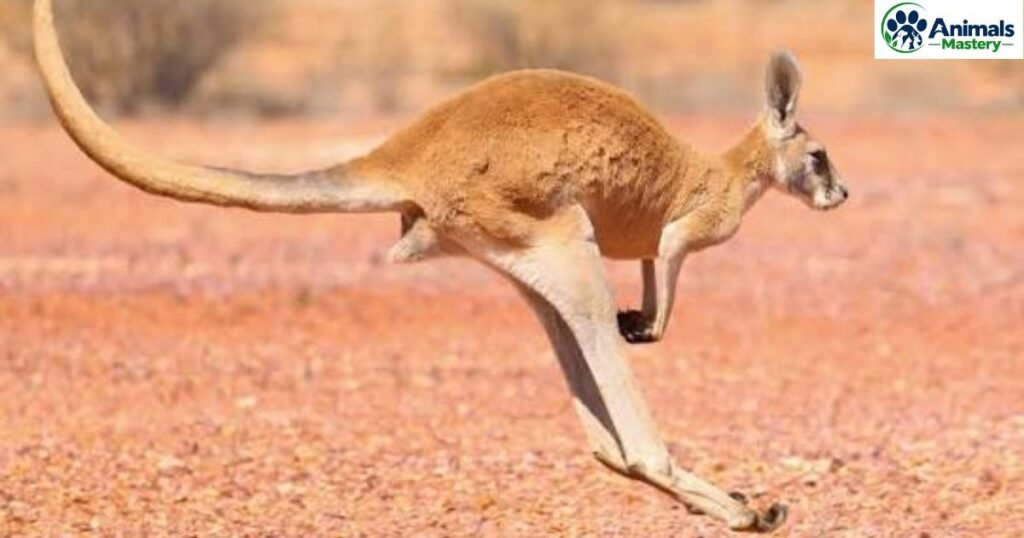
Powerful Tail: The Red Kangaroo, a quintessential symbol of Australia’s unique wildlife, boasts a powerful tail that serves as a remarkable adaptation for its agile lifestyle. This muscular appendage not only aids in balance while hopping at impressive speeds, but also acts as a rudder, allowing these iconic marsupials to navigate through their arid habitats with grace and precision.
Observing a Red Kangaroo in its natural environment, one can’t help but marvel at how this powerful tail complements its long, strong legs, enabling effortless leaps that can cover distances up to 25 feet in a single bound.
Social Signaling: The Red Kangaroo, the largest of all living marsupials, boasts a long, muscular tail that serves multiple purposes beyond mere balance. This impressive appendage, often reaching up to 3 feet in length, acts as a vital tool for social signaling among kangaroos.
When in a group, the way a kangaroo holds or flicks its tail can convey information about mood and social hierarchy, allowing for nuanced communication without the need for vocalizations.
Green Iguana
- Scientific Name: Iguana iguana
- Class: Reptilia
- Diet: Herbivore
Balance: The green iguana is a stunning example of nature’s mastery over balance and adaptation. Native to Central and South America, these reptiles sport long, whip-like tails that not only serve as a critical balance tool when navigating their arboreal habitats but also as a defense mechanism against predators.
With the ability to lose part of their tail during an attack, green iguanas can escape, regrowing a new one over time, a fascinating process that underscores their resilience.
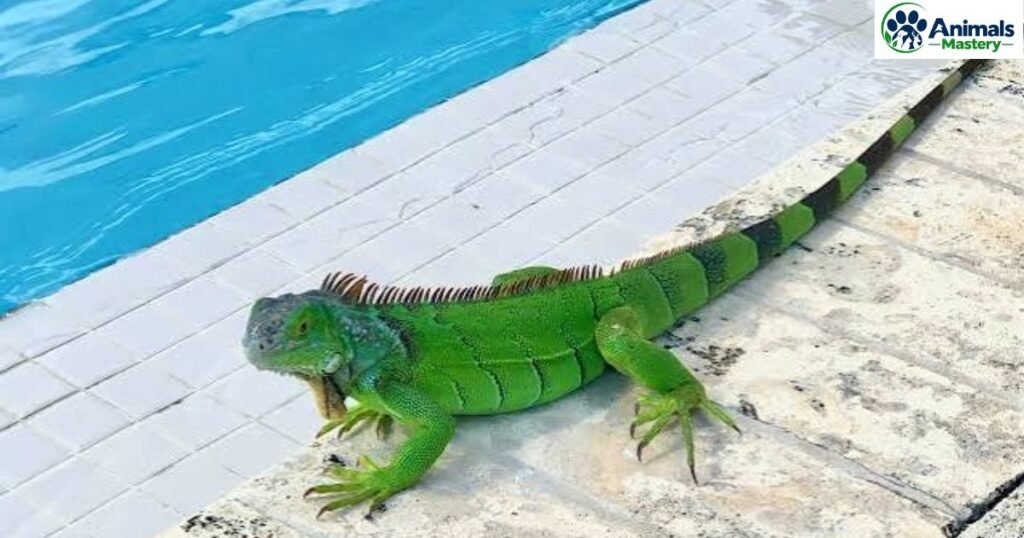
Tail Defense: The Green Iguana, a mesmerizing creature native to Central and South America, exemplifies the remarkable adaptations found in nature. Its long, whip-like tail serves not only as a crucial tool for balance while navigating through trees but also as a means of tail defense. When threatened, these iguanas can deliver a powerful whip-like strike, deterring potential predators with surprising agility.
Tail Regeneration: The Green Iguana stands out not only for its vibrant hues and distinctive features but also for its remarkable tail, which serves as both a tool for balance and a defense mechanism. A fascinating aspect of these reptiles is their tail regeneration capabilities; when threatened, they can shed part of their tail, allowing them to escape predators.
This regenerative process is extraordinary, as the new tail is not an exact replica of the original, often lacking the same vertebrae, yet it serves its purpose well demonstrating nature’s ingenuity in survival tactics.
Cheetah
- Scientific Name: Acinonyx jubatus
- Class: Mammalia
- Diet: Carnivore
High-Speed Balance: The cheetah, renowned for its incredible speed, boasts a tail that plays a pivotal role in its hunting prowess. This sleek appendage functions like a rudder, enabling the cheetah to make sharp turns while sprinting at speeds of up to 75 miles per hour.
By maintaining high-speed balance, the tail serves not only as a stabilizing force but also as a visual indicator of the cheetah’s trajectory, enhancing its agility during pursuits of agile prey.
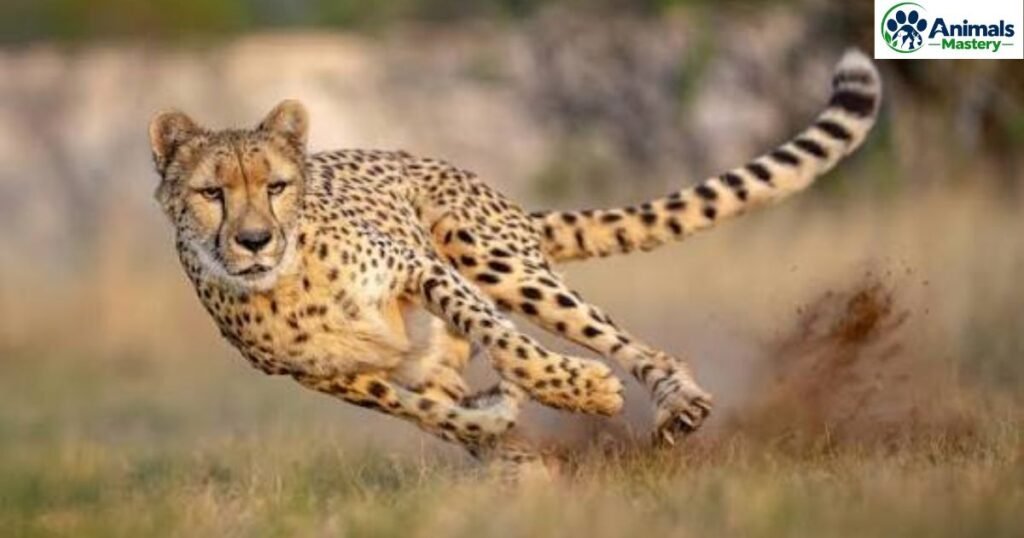
Sharp Turning: The cheetah, renowned for its incredible speed, also possesses a long, slender tail that plays a crucial role in its agility. This tail acts almost like a finely tuned rudder, allowing the cheetah to make sharp turns at high speeds while pursuing prey. As it sprints to chase down antelope across the African savanna, each twist and turn requires precision that the tail aids remarkably.
Steering Control: The cheetah, renowned for its breathtaking speed, harnesses its long tail as a vital tool for steering control during high-speed pursuits. When reaching speeds of up to 70 mph, these elegant predators rely on their tails to make sharp turns and maintain balance.
Unlike many other animals, a cheetah’s tail acts like a rudder, allowing it to navigate quickly through its environment while chasing agile prey such as gazelles. This combination of sleek design and functional anatomy underlines the cheetah’s extraordinary adaptations in the wild.
Thresher Shark
- Scientific Name: Alopias
- Class: Chondrichthyes
- Diet: Carnivore
Extremely long tail: The Thresher Shark is a remarkable example of evolution’s creativity, boasting an extremely long tail that can equal the length of its entire body. This tail isn’t just for show; it serves as a powerful tool for hunting. By slashing its tail through schools of fish, the
Thresher Shark stuns its prey, making them vulnerable to capture. Observing this behavior reveals not only the shark’s predatory prowess but also the intricate balance of marine ecosystems, where every trait serves a purpose.
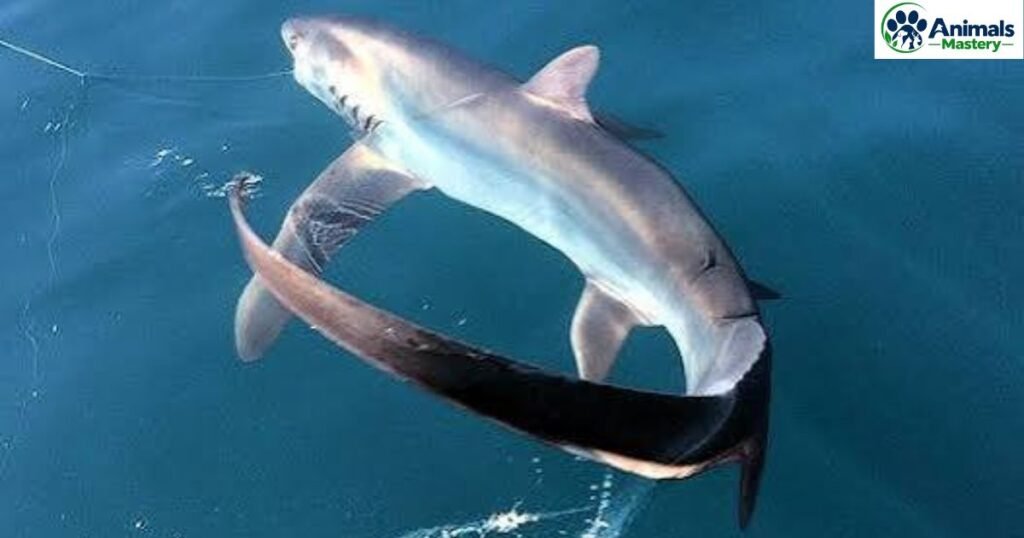
Prey Stunning: The Thresher Shark, with its exceptionally long tail, is an extraordinary marine predator that employs an unconventional hunting strategy. By stunning its prey with powerful, swift lashings of its tail, this shark can incapacitate fish, making them easier to catch.
This unique adaptation is not just a display of agility; it’s a captivating example of evolution at work, showcasing how specific morphological traits can enhance survival in the aquatic environment.
Powerful Tail Strikes: The Thresher Shark, known for its stunning elongated tail, boasts one of the ocean’s most remarkable adaptations. This powerful tail can reach lengths up to five feet, making it not only a stunning sight but also an effective hunting tool.
When striking its prey, the Thresher Shark performs a unique maneuver known as powerful tail strikes, where it uses its tail to stun smaller fish, allowing for an easier catch. This hunting strategy highlights the incredible evolution of this species, showcasing a perfect blend of grace and lethality in the deep blue sea.
Long-Tailed Grass Lizard
- Scientific Name: Takydromus sexlineatus
- Class: Reptilia
- Diet: Insectivore
Exceptional Tail Length: The Long-Tailed Grass Lizard is a fascinating example of nature’s creativity, boasting an exceptional tail length that can be nearly double its body size. This remarkable adaptation aids in balance and agility as it navigates its grassland habitat and also serves as a defense mechanism; when threatened, these lizards can shed part of their tail, allowing them to escape while their would-be predator is distracted.
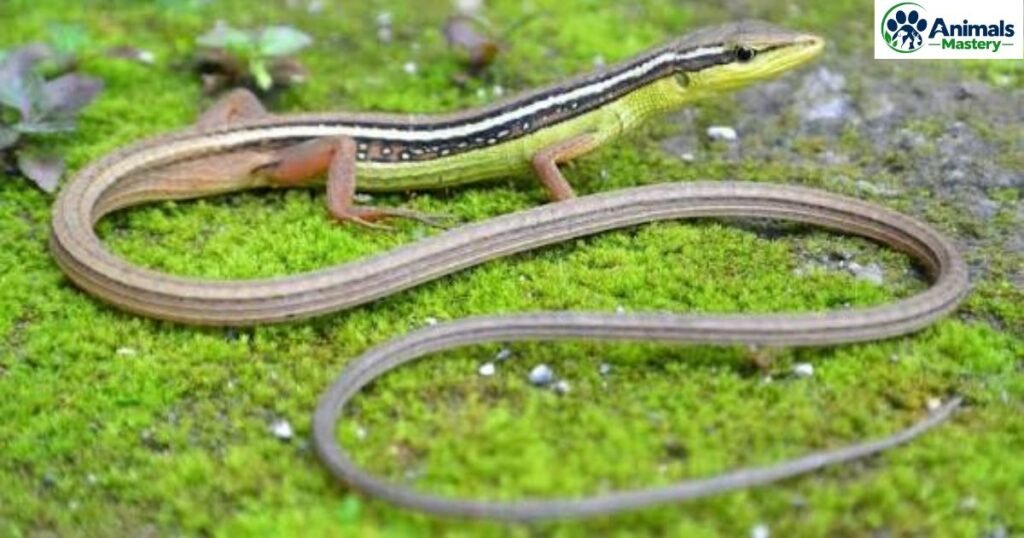
Balance: The Long-Tailed Grass Lizard is a master of adaptation, showcasing how an elongated tail can serve multiple purposes, from maintaining balance during swift movements to acting as a distraction for predators. Its tail can sway in such a way that it confuses would-be attackers, allowing the lizard to escape unharmed. This balance between agility and evasion is crucial in its grassland habitat, where quick reflexes can mean the difference between life and death.
Tail Autotomy: Among the fascinating adaptations in the animal kingdom, the Long-Tailed Grass Lizard stands out for both its sleek form and remarkable survival strategies. Not only do these lizards thrive in grasslands and scrub environments, but they also exhibit a phenomenon known as tail autotomy.
This fascinating ability allows them to shed their tails when threatened, creating a distraction for predators and enabling a swift escape. In nature, the long tail serves not only as a balance aid during agile movements but can also help in regulating body temperature, showcasing how every aspect of its anatomy is finely tuned to enhance survival.
Red Fox
- Scientific Name: Vulpes vulpes
- Class: Mammalia
- Diet: Omnivore
Balance: The red fox, with its luxurious and bushy tail, serves as an excellent example of how a long tail can enhance balance and agility in the wild. This striking mammal, often associated with cunning and adaptability, uses its tail not just for communication but also as a stabilizing tool during high-speed pursuits and nimble movements across diverse terrains.
When darting through underbrush or zigzagging to evade predators, the red fox expertly employs its tail to maintain equilibrium, allowing for graceful and rapid directional changes.
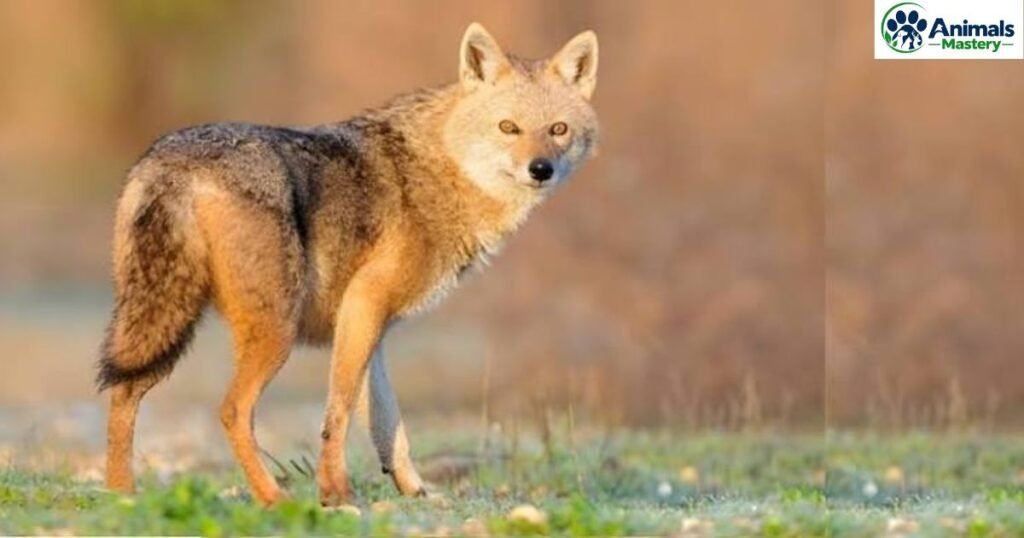
Body Warmth: The red fox, with its striking reddish coat and bushy tail, exemplifies the fascinating adaptations of long-tailed animals. Often seen with its tail held high, the red fox uses this appendage not just for balance during agile movements but also as a signal for communication with other foxes.
Its bushy tail, capable of serving as a cozy blanket during cold nights, plays a crucial role in conserving body warmth, an essential feature in the frigid habitats these creatures sometimes inhabit.
Communication: The red fox, with its bushy tail often used for balance and warmth, showcases the significance of long tails in the animal kingdom. In the wild, this striking appendage serves not only as a tool for communication but also plays a crucial role in the fox’s hunting strategy.
By using its tail for enhanced agility, the red fox can deftly navigate through dense underbrush, while the tail’s vibrant hue acts as a visual signal to fellow foxes during social interactions.
Angola Colobus
- Scientific Name: Colobus angolensis
- Class: Mammalia
- Diet: Herbivore
Canopy Balance: The Angola Colobus, with its striking black and white fur and long, graceful tail, embodies the essence of arboreal elegance. Thriving in the dense canopies of African rainforests, this primate is a master of balance, using its lengthy tail to navigate the treetops with incredible agility.
Unlike many of its relatives, the Angola Colobus demonstrates a unique adaptation: it primarily indulges in leaves, making its long tail not just a balance tool, but also essential for its foraging lifestyle.
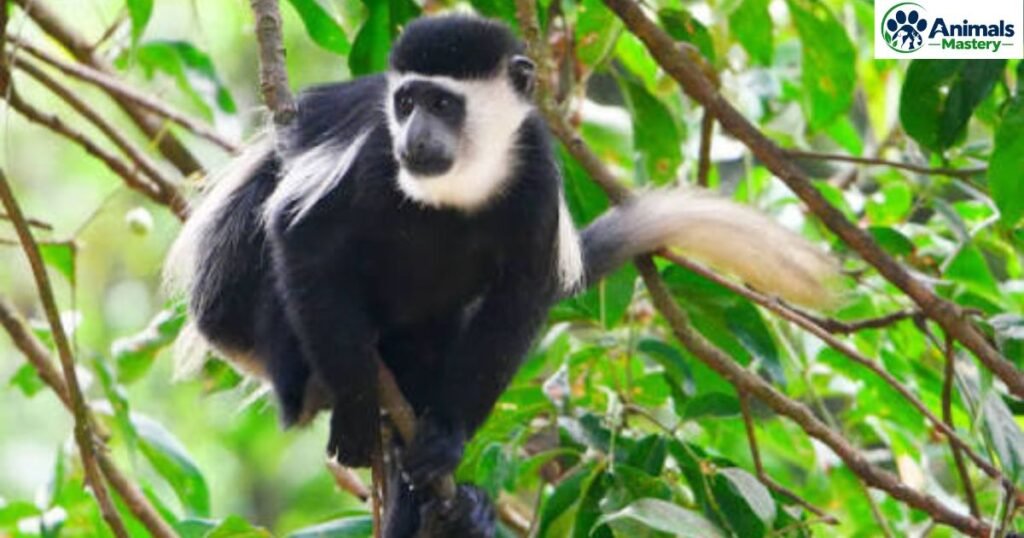
Branch Navigation: The Angola Colobus stands out not just for its striking black and white fur, but for its extraordinary tail. This long, flowing appendage isn’t merely for show; it acts as a vital tool for branch navigation in the dense canopies of its forest home.
As these primates leap gracefully from limb to limb, their tails help maintain balance and offer additional stability, allowing them to traverse even the most precarious branches with ease.
Social Signaling: The Angola Colobus, with its striking black-and-white fur and impressively long tail, is a fascinating example of how nature’s designs serve multiple functions. Beyond their aesthetic appeal, the elongated tails play a crucial role in social signaling within their tight-knit groups.
These agile primates use their tails not only for balance as they navigate the treetops but also as a communicator, conveying messages of status and emotions among their peers.
Ring-tailed Coatis
- Scientific Name: Nasua nasua
- Class: Mammalia
- Diet: Omnivore
Balance: The ring-tailed coati, with its striking black and white striped tail, exemplifies nature’s art of balance. This agile creature, a member of the raccoon family, uses its elongated tail not just for decoration but as a pivotal tool for stability while navigating its arboreal habitat. Whether traversing the treetops in search of fruit or scuttling across rocky terrain, its tail acts as a rudder, helping it maintain equilibrium as it maneuvers swiftly through the underbrush.
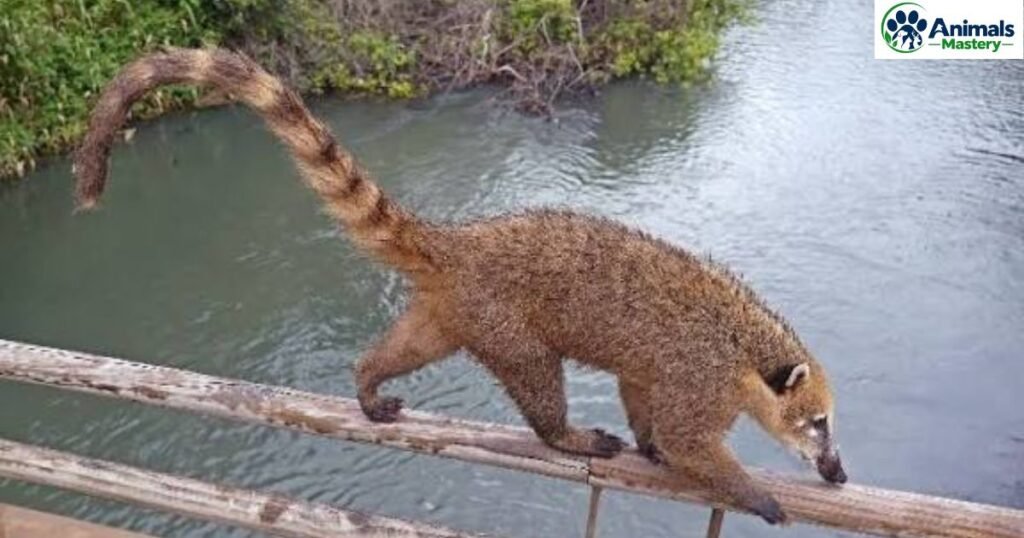
Foraging Support: The diverse group of animals with long tails, ring-tailed coatis stand out not just for their striking appearance but for their remarkable foraging support in their ecosystems. These social mammals use their prehensile tails as a balancing tool while scouring the forest floor for insects, fruits, and small animals.
Their intelligent foraging techniques include using their sensitive snouts to uncover hidden food sources, demonstrating adaptability that proves essential for survival in the varied habitats of Central and South America.
Communication: The ring-tailed coati, known for its strikingly long, banded tail, is a master communicator in the wild. These playful members of the raccoon family use their tails not just for balance while navigating treetops, but also as vital tools for social interaction.
When spotted frolicking with their group, their tails stood erect as signaling devices, conveying messages about everything from foraging locations to potential threats. This vibrant display of communication beautifully illustrates the intricacies of non-verbal exchanges in the animal kingdom.
Giant Anteater
- Scientific Name: Myrmecophaga tridactyla
- Class: Mammalia
- Diet: Insectivore
Balance: The giant anteater, with its elongated snout and impressive tail, exemplifies the remarkable adaptations found in nature. While its long tail may primarily serve for balance, aiding in its foraging lifestyle across the dense rainforests and savannas of Central and South America, it also plays a role in communication. When threatened, a giant anteater can make itself appear larger by raising its tail, combining visual signaling with its already formidable claws for defense.
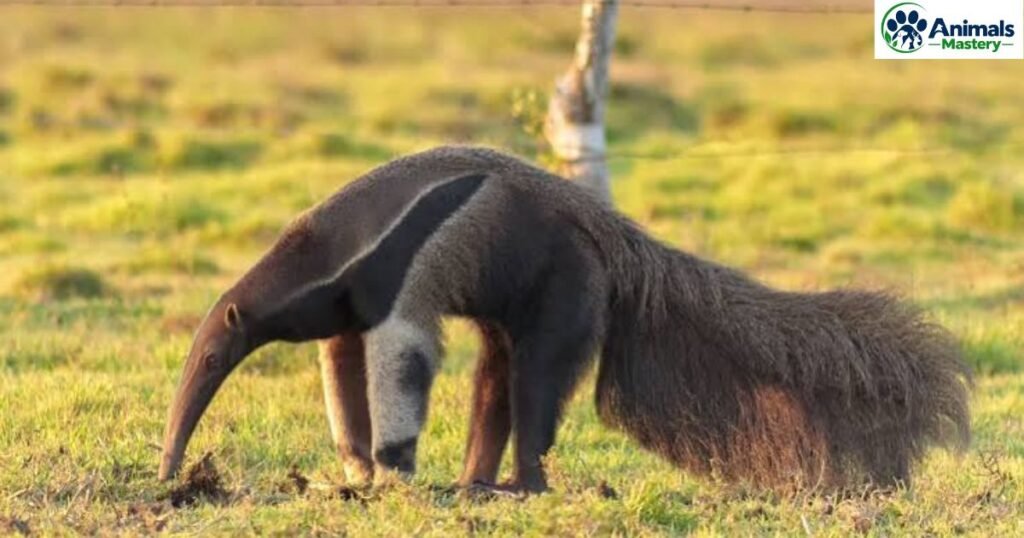
Weather Protection: The Giant Anteater is not just a marvel for its impressive length but also for its unique adaptations that aid in survival. Its tail, which can stretch up to three feet, serves more than just a balletic flourish; it acts as a remarkable tool for weather protection.
When the rains pour in the tropical habitats of Central and South America, the anteater skillfully wraps its large tail over its body, shielding itself from the elements. This remarkable behavior showcases the intricate bond between an animal’s physical attributes and its environmental challenges.
Defensive Display: The giant anteater, with its elongated snout and impressive tail, plays a unique role in its ecosystem. This fascinating creature uses its long tail not just for balance but also as a part of its defensive display against predators.
When threatened, the anteater can elevate its tail, creating a striking silhouette that confuses potential attackers. This adaptation showcases nature’s ingenuity, blending practicality with survival in a remarkable way.
Snow Leopard
- Scientific Name: Panthera uncia
- Class: Mammalia
- Diet: Carnivore
Mountain Balance: The snow leopard, with its stunning fur patterns and captivating eyes, has adapted remarkably to its mountainous habitat. One of its most fascinating features is its long, thick tail, which it uses for balance and agility while navigating steep, rocky terrain.
This anatomical marvel not only aids in physical stability but also acts as a counterweight, allowing the snow leopard to make those daring leaps and turns as it hunts elusive prey. The tail serves another purpose too: it provides warmth and comfort during frigid nights, wrapping around the cat as it rests.
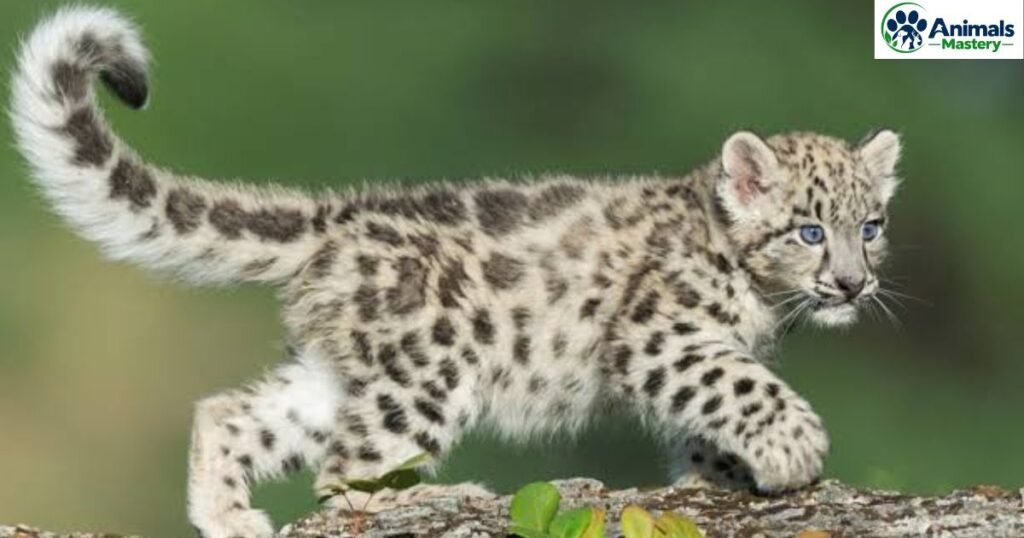
Thermal Insulation: The Snow Leopard is a master of its high-altitude habitat, with its long, thick tail serving a crucial role beyond mere aesthetics. This majestic creature uses its tail for balance while navigating the rugged terrain of the Himalayas, but its functionality extends further; it also acts as a source of thermal insulation.
When curled up, a Snow Leopard wraps its tail around its body, conserving heat against the chilly mountain air. This adaptation not only enhances their survival rates in extreme temperatures but also exemplifies the beauty of evolutionary design.
Agility: The snow leopard, often dubbed the ghost of the mountains, exemplifies extraordinary agility, blending seamlessly into its rugged, snowy habitat. Its long, thick tail serves more than just decorative purposes; it acts as a counterbalance during high-speed chases and treacherous climbs, allowing these elusive felines to navigate steep terrains effortlessly.
As the snow leopard leaps from ledge to ledge, its tail becomes an integral part of its grace, adding stability and finesse to its impressive acrobatics.
Howler Monkey
- Scientific Name: Alouatta
- Class: Mammalia
- Diet: Herbivore
Prehensile Tail: Among the fascinating animals with long tails, the howler monkey stands out, not just for its impressive length but for its unique adaptation of a prehensile tail. This remarkable feature allows the howler monkey to grasp branches and maneuver through the dense canopies of tropical forests.
A balance aid, their tails serve as an additional limb, enabling these primates to navigate their arboreal homes with dexterity and grace. The versatility of their tails enhances their foraging strategies, giving them access to fruits and leaves that might otherwise be out of reach.
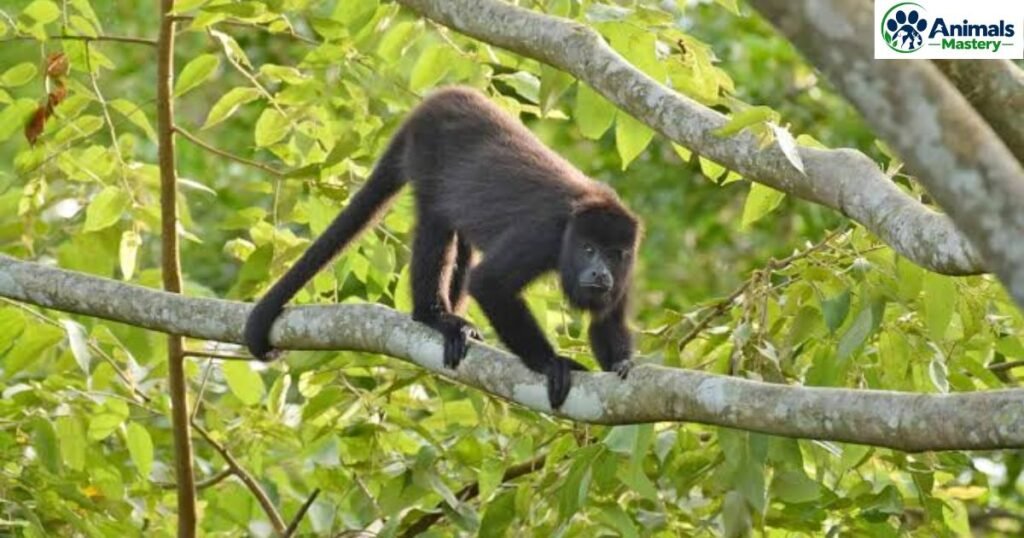
Canopy Movement: The Howler Monkey is a prime example of nature’s ingenuity when it comes to tail adaptation. With tails averaging 27 inches, these monkeys utilize their long appendages as a fifth limb in their arboreal habitat. This not only aids in their impressive canopy movement, allowing them to traverse the treetops with ease, but also offers support while reaching for fruit and leaves that form their diet.
Their distinctive vocalizations resonate through the rainforest, serving as both a form of social communication and a territorial declaration
Stability: Howler monkeys are fascinating creatures known not just for their distinctive vocalizations but also for their impressive tails, which can be as long as their bodies. These prehensile tails serve as a vital tool for stability as they swing through the treetops of Central and South America, allowing them to navigate the canopy with agility.
This adaptation is crucial for their survival, providing them the ability to reach fruits and leaves that form the bulk of their diet while maintaining a secure grip on branches.
Peacock
- Scientific Name: Pavo cristatus
- Class: Aves
- Diet: Omnivore
Courtship Display: The peacock, with its vibrant plumage and elongated tail feathers, serves as an exquisite example of nature’s artistry. During courtship displays, male peacocks unfurl their iridescent tails into a spectacular fan, showcasing intricate patterns that mesmerize potential mates.
This mesmerizing display isn’t just for show; it’s a vital component of sexual selection. The size and quality of a peacock’s tail can indicate genetic health, making these dazzling displays crucial for attracting females.
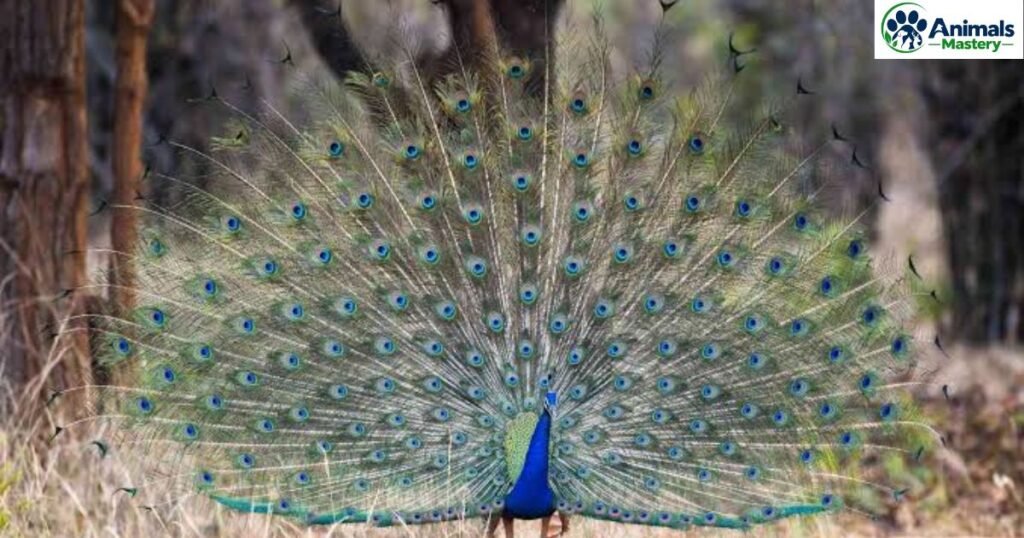
Elaborate Train: The peacock stands out prominently among the top contenders for the longest and most visually stunning tails in the animal kingdom. Its elaborate train, which can measure up to five feet, is not just a display of beauty but serves as a crucial part of its courtship rituals.
When a male spreads his colorful feathers, boasting iridescent blues and greens decorated with eye-like patterns, it becomes an undeniable spectacle that captivates both potential mates and onlookers alike.
Sexual Selection: The peacock, a striking symbol of beauty and elegance, is renowned for its mesmerizing long tail, or train, which plays a pivotal role in sexual selection. During courtship displays, the male fans out his colorful feathers, creating a dazzling visual spectacle that captures the attention of potential mates.
This captivating display isn’t merely about aesthetics; it signals the male’s health and genetic fitness, as only the strongest birds can afford to maintain such extravagant plumage while avoiding predation. Observers are often left in awe as they witness this intricate dance of display and choice.
Leopard Whipray
- Scientific Name: Himantura leoparda
- Class: Chondrichthyes
- Diet: Carnivore
Extremely Long Tail: The Leopard Whipray is a striking example of nature’s artistry, featuring an extremely long tail that can extend up to five times its body length. This unique adaptation aids in navigation through murky waters and helps the species communicate and evade predators. Unlike many other ray species, the Leopard Whipray uses its elongated tail as a form of propulsion, allowing it to glide gracefully over the ocean floor while searching for prey.
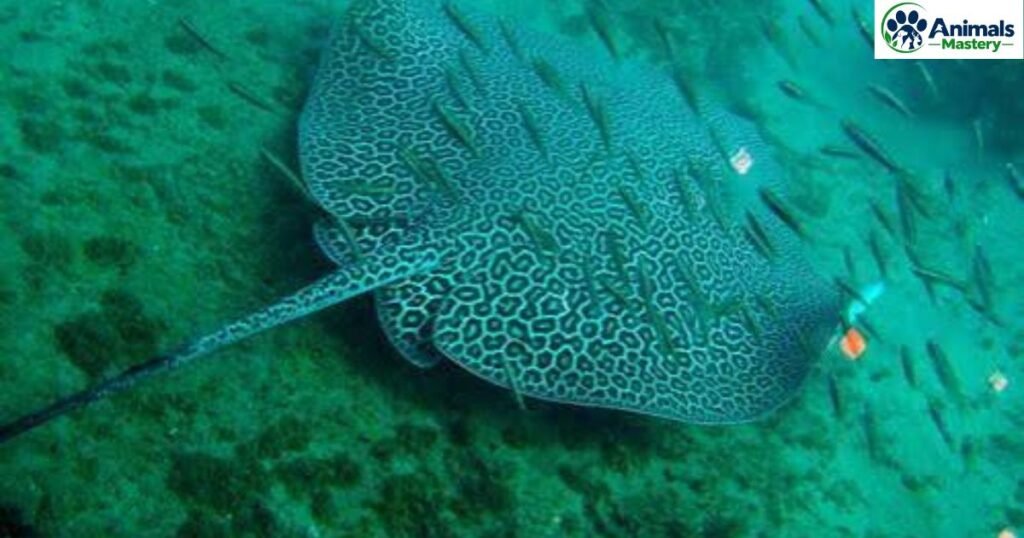
Defense: The Leopard Whipray stands out not just for its striking appearance but also for its unique tail, which can measure up to twice its body length. This elongated appendage serves multiple purposes, particularly in defense against predators.
Unlike the more commonly recognized barbed tails of certain rays, the Leopard Whipray’s tail is flexible and allows for agile movements, helping the ray evade capture while cruising along the sandy ocean floor.
Seafloor Camouflage: The Leopard Whipray is a remarkable example of nature’s artistry, effortlessly gliding across the ocean floor. With its unique spotted pattern, it employs effective seafloor camouflage to blend seamlessly into the sandy substrate, allowing it to evade predators and ambush unsuspecting prey.
This ray’s elongated, whip-like tail not only aids in propulsion but also serves as a graceful tool in its aquatic ballet, negotiating tight spaces among corals and rocky crevices.
Chameleon
- Scientific Name: Chamaeleonidae
- Class: Reptilia
- Diet: Insectivore
Prehensile Tail: Chameleons, famed for their color-changing abilities, also boast some fascinating tail adaptations. Their tails, while not as prominent as other long-tailed species, serve a crucial purpose beyond aesthetics. Unlike many reptiles, a chameleon’s tail is prehensile, enabling these lizards to grasp branches as they navigate their arboreal habitats.
This remarkable feature not only provides stability and support when climbing but also allows them to maintain balance while surveying their surroundings for perils or prey.
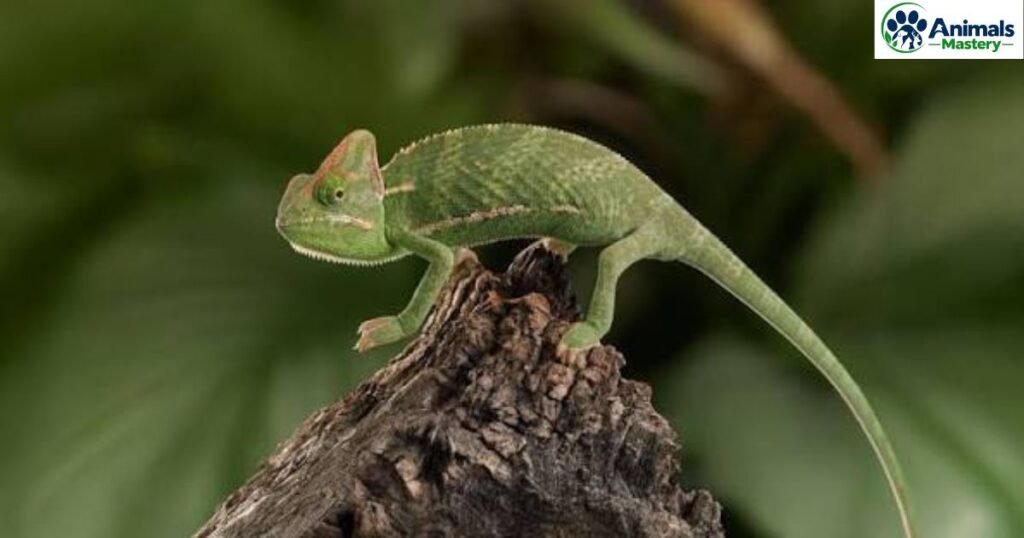
Branch Grip: The chameleon, renowned for its vibrant color-changing abilities, also possesses a fascinating long tail that serves multiple purposes. As these remarkable reptiles navigate their arboreal habitats, their prehensile tails act as a supportive branch grip, allowing them to maintain stability while reaching for leaves or scuttling between branches.
This unique adaptation enhances their mobility and provides a crucial advantage in avoiding predators, as they can securely perch in hard-to-reach spots.
Balance: The chameleon is a remarkable example of how diversity in nature can manifest in fascinating ways. Its long, prehensile tail serves not only as a tool for balance while navigating its arboreal habitat but also as a means of communication.
When threatened, a chameleon may wrap its tail around a branch for stability, allowing it to blend seamlessly into its surroundings while remaining vigilant. This adaptability showcases the intricate ways animals have evolved to thrive in their environments.
Spider Monkey
- Scientific Name: Ateles
- Class: Mammalia
- Diet: Herbivore
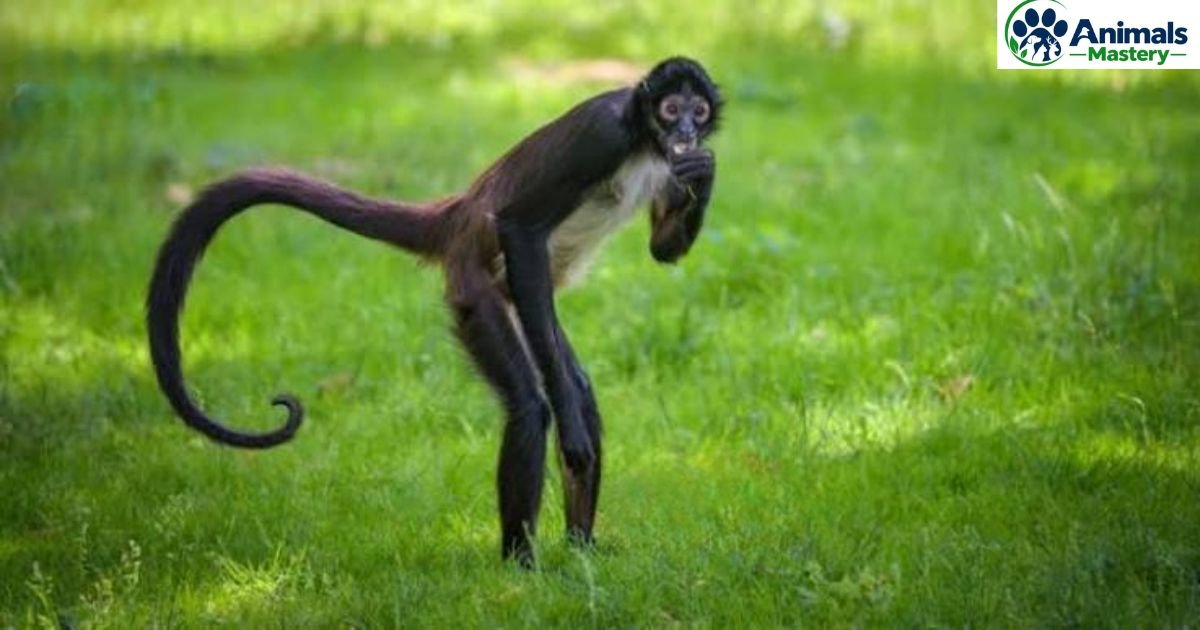
Fifth-Limb Function: Spider monkeys are remarkable not only for their striking appearance but also for their unique adaptations, particularly the extraordinary length of their tails. These primates possess tails that can be as long as their bodies, which they utilize as a fifth limb to navigate the canopies of Central and South American forests.
This functional extremity is not just an aid for balance; it allows them to grasp branches with incredible dexterity, freeing their hands to forage for fruits and leaves. Observing a spider monkey swing gracefully from tree to tree showcases the sheer elegance of evolution, in which their tails serve essential roles beyond mere locomotion.
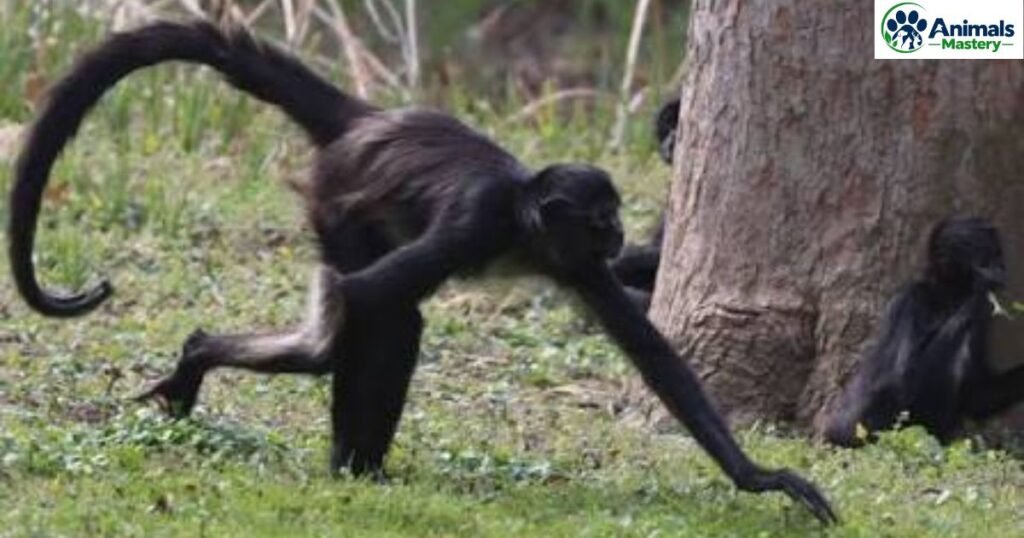
Strong Grip: Spider monkeys are a remarkable example of nature’s ingenuity, showcasing incredible adaptations that parallel their diverse habitat. With their long, prehensile tails, these monkeys possess a strong grip that enables them to navigate the treetops of Central and South America with remarkable agility.
This remarkable adaptation allows them to hang effortlessly from branches, using their tails like a fifth limb while simultaneously foraging for fruit and leaves. The combination of their dexterous fingers and powerful tails epitomizes their arboreal lifestyle, demonstrating how evolution favors traits that enhance survival.
Canopy Agility: The spider monkey stands out for its extraordinary adaptability and impressive canopy agility. These agile primates navigate the treetops of Central and South American rainforests using their tails as a fifth limb, allowing them to swing gracefully from branch to branch.
Unlike many other monkey species, their prehensile tails provide a remarkable grip, enabling them to grasp and manipulate branches with ease. This unique trait not only aids in foraging for fruits and flowers but also plays a vital role in social interactions within their troops.
Squirrel
- Scientific Name: Sciuridae
- Class: Mammalia
- Diet: Omnivore
Balance: Squirrels exemplify the fascinating adaptations of animals with long tails, utilizing their impressive appendages for balance in various ways. With a tail that can be nearly as long as their bodies, squirrels deftly navigate treetops, maintaining stability as they leap between branches.
This remarkable control not only aids in foraging for nuts and seeds but also serves as a crucial tool for escaping predators. The bushiness of a squirrel’s tail can even act as a parachute, slowing down their descent when they fall, highlighting nature’s ingenuity in fostering survival techniques.
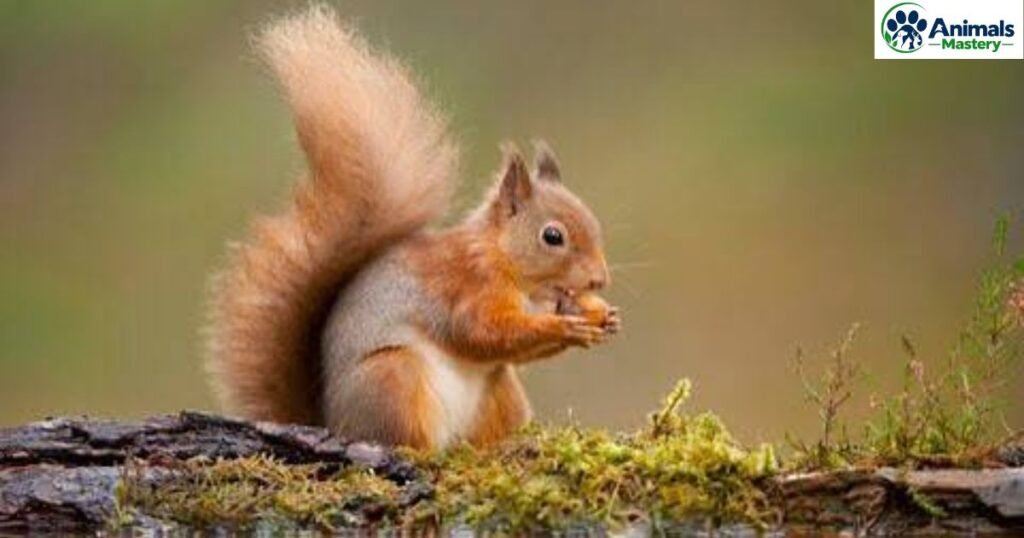
Alarm Signaling: Squirrels are fascinating creatures, not just for their acrobatic leaps but also for their long, bushy tails that serve multiple critical functions. These tails are essential for balance, helping them navigate the canopies with ease.
During times of danger, squirrels utilize their tails for alarm signaling to indicate potential threats to their fellow forest dwellers. The dramatic waving of their tails can alert others, creating a chain reaction of vigilance among nearby animals.
Heat Conservation: Squirrels are often underestimated in the animal kingdom, yet they possess remarkable adaptations that make their long tails incredibly useful. Beyond their charming acrobatics, these tails serve a vital role in heat conservation, especially during the colder months.
By wrapping their tails around their bodies when resting, squirrels create an insulating layer that helps retain warmth, allowing them to survive in diverse climates. This ingenious use of their tails not only plays a part in survival but also aids in balance as they navigate their arboreal habitats.
Giraffe
- Scientific Name: Giraffa camelopardalis
- Class: Mammalia
- Diet: Herbivore
Fly Swatting: Giraffes, renowned for their towering stature and distinctive long necks, also possess remarkably long tails, measuring up to three feet. These tail extensions serve a practical purpose: giraffes use them for fly swatting, effectively keeping pesky insects at bay. It’s fascinating to observe how these gentle giants maintain their poise while gracefully flicking their tails, an elegant yet essential part of their daily routine in the African savannah.
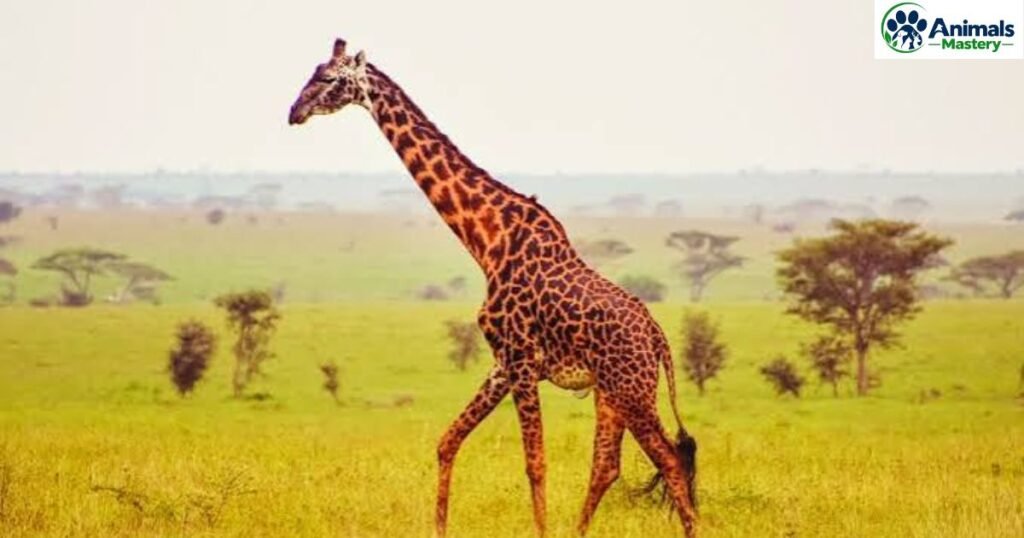
Communication: The giraffe, with its astonishingly long neck, isn’t just a marvel of evolution; it also boasts a surprisingly lengthy tail that functions as a critical tool for communication. This tail, though not as prominently noted as its neck, plays a vital role in social interactions among giraffes.
When in groups, they often utilize their tails to flick away pests while also signaling to one another. This subtle form of communication highlights the intricate social dynamics within giraffe herds.
Insect Defense: Giraffes, with their iconic long necks, also boast impressively lengthy tails that serve more than just aesthetic appeal. These tails, made up of hair-covered skin, act as vital tools for insect defense. A flick of a giraffe’s tail can swat away bothersome flies and other pests that threaten their comfort, illustrating a fascinating adaptation to their savanna habitat.
Observing a giraffe expertly managing its tail while dining on treetop leaves reveals how nature equips even the largest creatures with solutions to common nuisances.
Jerboas
- Scientific Name: Dipodidae
- Class: Mammalia
- Diet: Omnivore
Jumping Balance: With their captivating ability to leap impressive distances, jerboas exemplify the beauty of adaptability in arid environments. These small, nocturnal rodents are not only remarkable for their speed but also for their long, tufted tails, which provide critical stability and balance during their high jumps.
A tiny acrobat deftly navigating the sandy expanses of desert landscapes, their tails acting like an aerial rudder, helping them steer mid-flight to evade predators and navigate their challenging habitat.
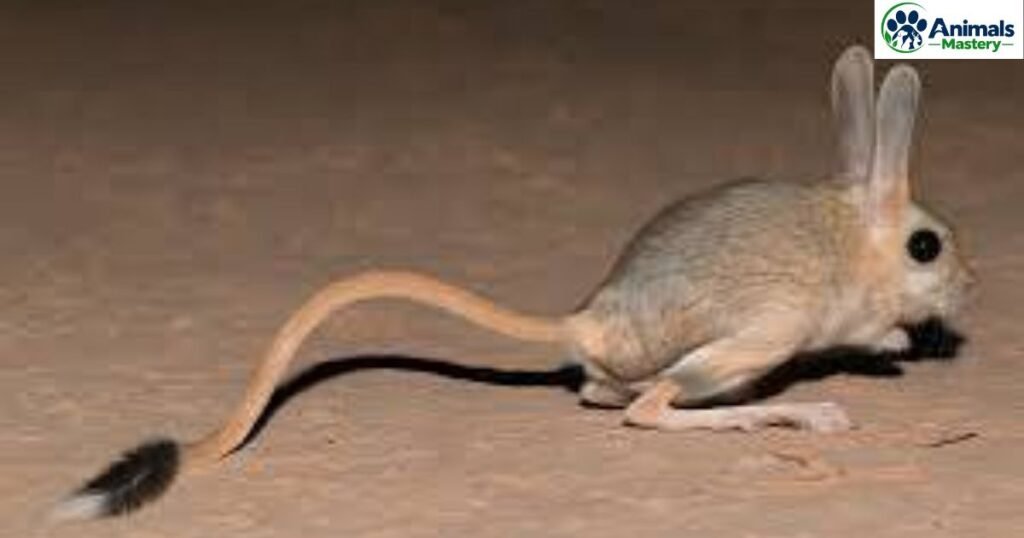
Desert Adaptation: Jerboas are fascinating creatures, exemplifying remarkable desert adaptation in their arid environments. With their long, tufted tails, they not only maintain balance while leaping across the sandy terrain but also use these appendages for communication and navigation.
These nocturnal rodents have evolved long legs and large feet, enabling them to move efficiently in search of food while avoiding the extreme heat of the day.
Maneuverability: Jerboas, the enchanting desert dwellers of North Africa and Asia, are renowned for their incredible maneuverability, aided by their distinctly long tails. These remarkable rodents can leap up to 10 feet in a single bound, using their tails for balance and steering as they navigate the sandy terrain.
This unique adaptation helps them evade predators but also allows them to cover ground quickly in search of food, primarily seeds and insects.
Black-and-White Ruffed Lemur
- Scientific Name: Varecia variegata
- Class: Mammalia
- Diet: Herbivore
Canopy Balance: The Black-and-White Ruffed Lemur stands out not only for its striking appearance but also for its remarkable adaptations to life in the treetops. With a tail that can reach up to 26 inches, this lemur exemplifies Canopy Balance, utilizing its long appendage to navigate the dense forests of Madagascar. This long tail acts as a counterweight, enabling swift movement and agile jumps among branches, showcasing an evolution finely tuned to arboreal living.
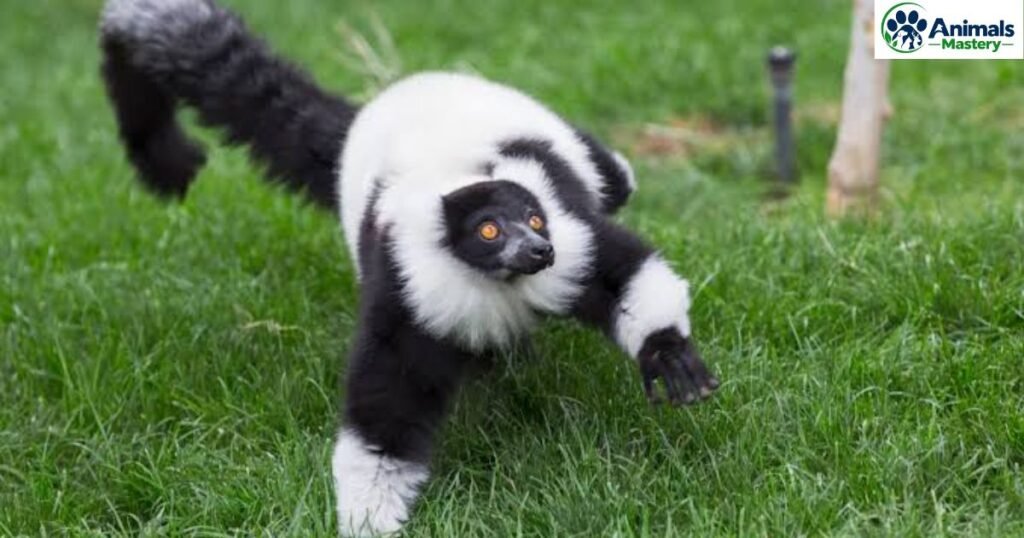
Social Signaling: The Black-and-White Ruffed Lemur is a striking example of the wonders of nature, showcasing how unique features like its long, bushy tail serve multiple purposes in the wild. This tail isn’t just for balance or agility as these lemurs leap between branches; it also plays a crucial role in social signaling.
When in groups, their tails act as visual beacons, helping members maintain cohesion as they navigate the treetops. The contrast of their fur enhances these signals, making them even more effective as they communicate with one another through postures and movements.
Leaping Support: The Black-and-White Ruffed Lemur stands out not only for its striking appearance but also for its extraordinary agility and social dynamics. These primates, native to Madagascar, showcase remarkable leaping support that enable them to navigate the dense canopies of their forest homes with grace.
Their long tails serve a dual purpose acting as a balance aid during acrobatic jumps and serving as a communicative tool in their complex social structures. In a world where habitat loss threatens their existence, understanding their unique adaptations provides insight into their survival strategies.
Pangolin
- Scientific Name: Pholidota
- Class: Mammalia
- Diet: Insectivore
Climbing Balance: The pangolin, often dubbed the scaly anteater, is a fascinating creature that exemplifies the art of climbing balance with its elongated tail. This versatile appendage not only helps pangolins navigate the trees as they forage for ants and termites but also serves as a stabilizer, enabling them to traverse precarious branches with ease.
Their long tails act like a tightrope walker’s balancing pole, allowing these nocturnal animals to maintain their body equilibrium in even the most challenging terrains.
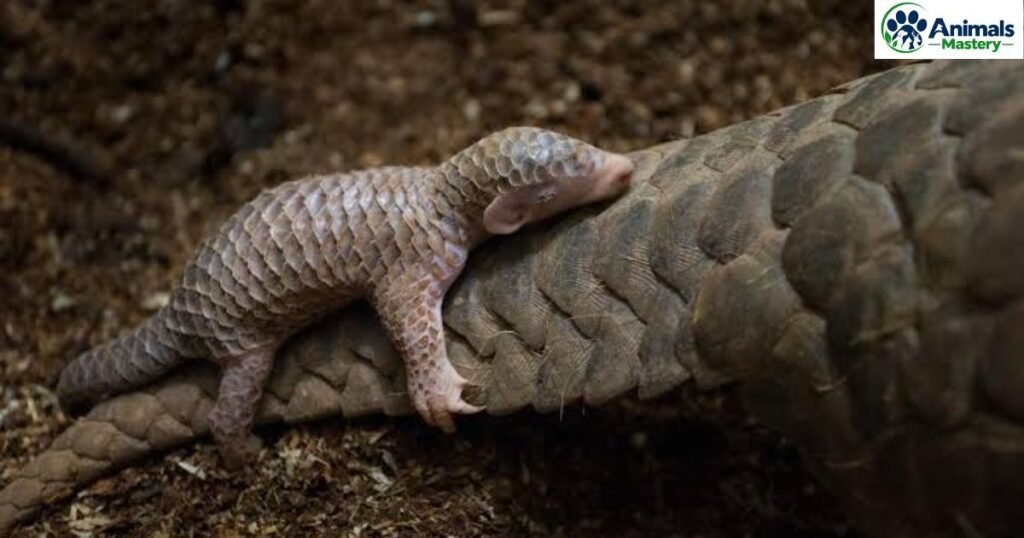
Branch Grip: The pangolin, often overlooked, showcases one of nature’s most fascinating adaptations: its long, flexible tail. This remarkable appendage is not just for show; it plays a crucial role in the pangolin’s unique lifestyle. With a tail that can reach nearly the length of its body, pangolins utilize a technique known as branch grip, allowing them to hang from trees as they forage for ants and termites.
This ability to balance provides them with the agility to navigate diverse habitats, from dense forests to arid grasslands, making them true masters of their environment.
Defensive Wrapping: The pangolin stands out not only for its elongated tail but also for its unique defensive mechanisms. When threatened, this extraordinary mammal employs a fascinating strategy known as defensive wrapping.
It curls its body into a tight ball, using its tough, scaly exterior as a protective shield while its long tail secures the formation, making it difficult for predators to penetrate. This remarkable behavior showcases an evolutionary adaptation that emphasizes survival in a world where threats are ever-present.
Clouded Leopard
- Scientific Name: Neofelis nebulosa
- Class: Mammalia
- Diet: Carnivore
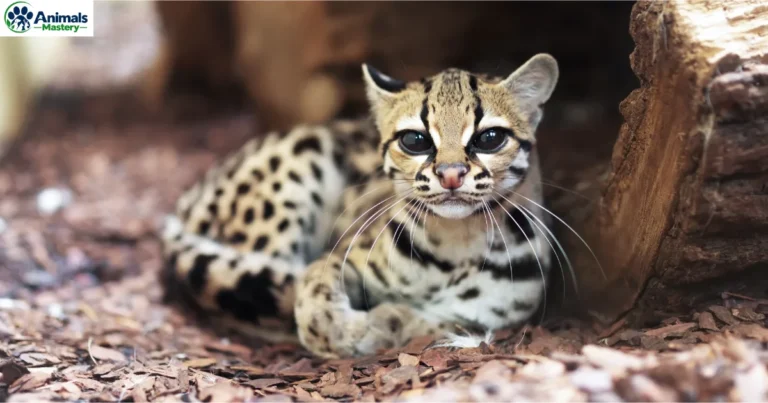
Arboreal Balance: The clouded leopard, with its remarkable agility and striking coat adorned with intricate cloud-like patterns, exemplifies arboreal balance in the animal kingdom. Found predominantly in Southeast Asia’s lush forests, this elusive feline uses its extraordinarily long tail not just for stability while traversing the branches, but also as a tool for communication and expression in the dense foliage.
This tail, often measuring up to 30 inches, allows the clouded leopard to expertly maneuver through the treetops, showcasing an unrivaled mastery of its arboreal habitat.
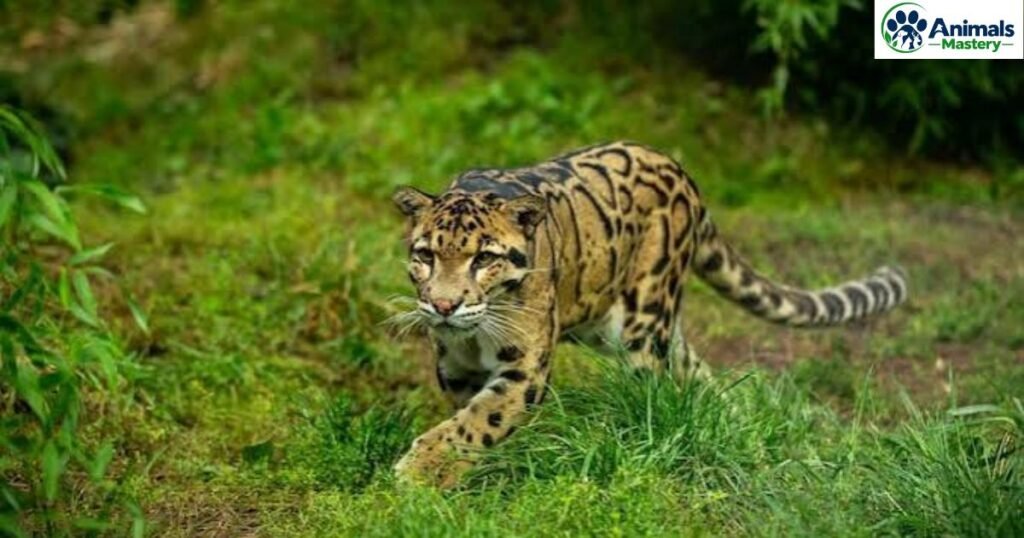
Tree Climbing: The Clouded Leopard, an elusive beauty of the Southeast Asian forests, boasts a long, graceful tail that can measure nearly two-thirds the length of its body. This remarkable appendage isn’t just for show; it serves as a vital tool for their arboreal lifestyle.
Expert tree climbers, Clouded Leopards use their tails for balance and agility as they navigate the thick canopies, showcasing their prowess in a world where agility is key.
Steep-Surface Agility: The Clouded Leopard is a marvel of nature, boasting one of the longest and most flexible tails among big cats. This remarkable adaptation enhances its steep-surface agility, allowing the feline to maneuver through the dense canopies of Southeast Asia with remarkable grace.
As they traverse their arboreal territories, their tails serve not only as a counterbalance but also as a vital tool for communication, helping them navigate steep terrain and execute breathtaking leaps between branches.
Learn More About the Animal Kingdom
- Ferrets, stoats, minks, and martens are fascinating Animals Like Weasels that share similar physical features.
Their long bodies, short legs, and agile movements make them excellent hunters.
Many of these species also belong to the same mustelid family. - The world of Birds With Long Legs includes species with impressive sizes, colors, and behaviors.
Their distinctive appearance makes them easy to recognize in the wild.
Each species plays an important role in its natural ecosystem. - Some of the Cleanest Animals in The World spend a significant amount of time grooming themselves.
Cats, birds, and several other species regularly remove dirt and parasites.
These habits help them maintain their health and comfort.
Final Thoughts
The top 23 animals with long tails provide a captivating glimpse into the intricate ways nature has equipped various species for survival. Whether it’s the colorful plumage of a peacock’s tail or the functional appendages of a kangaroo, each animal tells a unique story of adaptation and beauty.
These tails not only serve practical purposes but also add to the charm of the animal kingdom. Each species uniquely employs its tail for communication, balance, or even as a means of survival
FAQs
How does a Thresher Shark use its Exceptionally Long Tail?
The thresher shark uses its scythe-like tail as a dynamic hunting weapon to stun schooling fish. It whips the enormous tail upward over its body with blistering speed. This creates a powerful shockwave that disables prey before consumption.
Why is the Snow Leopard’s Tail so Remarkably Long and Thick?
A snow leopard possesses a tail almost as long as its entire body for crucial high-altitude balance. It also wraps the thick, fur-laden appendage around its face for warmth. This natural scarf protects the big cat from freezing mountain winds.
Do Spider Monkeys and Howler Monkeys have Prehensile Tails?
Spider monkeys and howler monkeys use specialized prehensile tails as a fifth limb. These specialized tails feature strong grip pads that anchor securely to branches. This allows effortless movement through high tropical forest canopies.
What Purpose does the Giant Anteater’s Massive Tail Serve?
The giant anteater uses its oversized, bushy tail primarily as a thermal blanket. It folds the long fur over its body during rest to regulate core temperature. The tail also acts as a visual defense mechanism against predators.
How do Jerboas use their Long Tufted Tails in the Desert?
Jerboas utilize their disproportionately long tails for balance during high-speed, erratic bipedal leaps. The black-and-white terminal tuft may confuse pursuing predators by acting as a decoy. It stabilizes sudden directional shifts on shifting desert sands.