
Top 25 Animals with Big Foreheads: Insights and Visuals Explained
We unravel the mystery of animals with big foreheads, showcasing the top 25 species that sport this unique trait. From evolutionary advantages to social interactions, you’ll discover just how critical these large foreheads can be.
Prepare to broaden your understanding of the animal kingdom as we highlight these fascinating creatures and their captivating characteristics!
List of Animals With Big Foreheads
Here is the list of animals with big foreheads:
- Beluga Whale
- Sperm Whale
- Asian Elephant
- Humphead Wrasse
- Midas Cichlid
- Napoleon Fish
- Flowerhorn Cichlid
- Green Sea Turtle
- Bison
- Muskox
- Elephant Seal
- Orangutan
- Gorilla
- Saki Monkey
- Bald Uakari
- Beluga Sturgeon
- Domestic Ram
- Walrus
- Harp Seal
- Short-Finned Pilot Whale
- Narwhal
- African Elephant
- Chimpanzee
- Hamster
- Dugong
Beluga Whale
- Scientific Name: Delphinapterus leucas
- Class: Mammalia
- Diet: Carnivore
The beluga whale, with its distinctive rounded forehead, or “melon,” offers a fascinating glimpse into how anatomy can serve both function and form in the animal kingdom.

This prominent feature helps belugas utilize echolocation, allowing them to navigate icy waters and communicate effectively with their pods. The structure of their foreheads can dramatically alter the direction and focus of sound waves, making them masters of their underwater environment.
Scientists have observed that changes in the shape of their melons can be linked to emotional states, akin to facial expressions in humans. The beluga’s forehead serves as an adaptive tool that fosters communication and social cohesion, emphasizing the complexity of whale societies.
Sperm Whale
- Scientific Name: Physeter macrocephalus
- Class: Mammalia
- Diet: Carnivore
Sperm whales are a prime example of animals with notably large foreheads, but their unique head structure serves more than just aesthetic purposes. The massive, bulbous forehead, called the spermaceti organ, plays a crucial role in echolocation and buoyancy control.
It functions like a natural sonar, allowing these deep-sea giants to emit clicks that travel through water, helping them navigate and hunt effectively in the often-dark ocean depths.

This organ is filled with a waxy substance, aiding in the whale’s ability to dive to extraordinary depths in search of squid, its primary prey. The size of a sperm whale’s forehead reflects its age and health; older whales tend to have more pronounced foreheads, indicating a wealth of life experience.
As researchers continue to study these magnificent creatures, they’re uncovering even more about the sophisticated ways in which sperm whales utilize their impressive foreheads, shedding light on their hunting strategies and on the social dynamics within pods.
Asian Elephant
- Scientific Name: Elephas maximus
- Class: Mammalia
- Diet: Herbivore
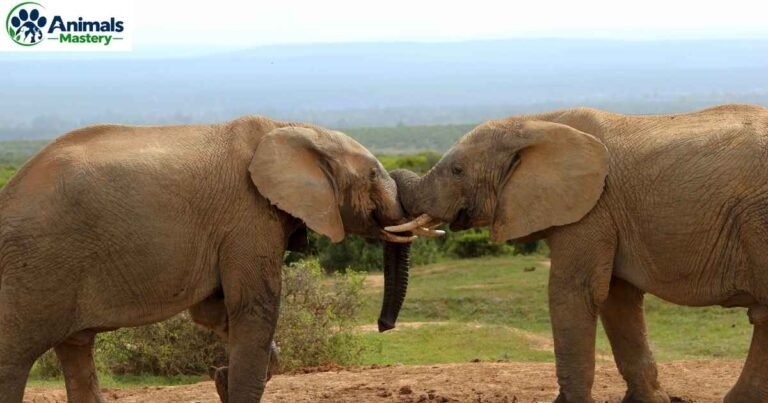
The Asian elephant stands out for its majestic size and for its remarkably prominent forehead, which plays a vital role in its social interactions. This serves as a canvas for a rich tapestry of emotions, allowing these gentle giants to communicate effectively with one another.

The expansive forehead houses many receptors sensitive to their environment, enabling the elephants to perceive changes in temperature and even the faintest vibrations in the ground—an incredible adaptation for survival.
The thick skin here is often laden with mud and vegetation, which protects them from the scorching sun and helps ward off pesky insects. As elephants wallow in mud baths, they create a protective layer, turning their large foreheads into a shield against harsh elements, all while maintaining their iconic beauty.
Humphead Wrasse
- Scientific Name: Cheilinus undulatus
- Class: Actinopterygii
- Diet: Carnivore
The humphead wrasse, a striking marine fish, is renowned for its prominent forehead, which can extend in a remarkable bulge, making it an icon of the coral reef ecosystems. Beyond its unique appearance, this forehead serves a crucial role in its social behaviors and mating rituals.

The pronounced structure is thought to enhance communication among individuals, signaling health and vitality, essential for attracting mates in the competitive underwater world.
The Humphead Wrasse’s large forehead isn’t just for show; it houses complex neurological structures that enable advanced problem-solving skills. Studies have shown that their unique morphology also has an ecological impact, as their feeding habits help maintain coral health by controlling the growth of algae.
Midas Cichlid
- Scientific Name: Amphilophus citrinellus
- Class: Actinopterygii
- Diet: Omnivore
The Midas Cichlid, renowned for its striking appearance, showcases an impressive forehead that sets it apart in the aquarium world. This bold feature serves more than just aesthetic purposes; it plays a crucial role in their social interactions and territorial behaviors.
A larger forehead often signals dominance, helping to establish hierarchy among peers in the sometimes turbulent waters of their native Central America. While these fish are visually stunning and can captivate any aquarium enthusiast, this distinctive trait also reflects their adaptive strategies in the wild.
The physiological development of their foreheads is not merely a product of genetics but can also be influenced by their environment and social circumstances. Male Midas Cichlids may develop more pronounced foreheads in response to competition or when asserting their presence during breeding seasons.
Napoleon Fish
- Scientific Name: Cheilinus undulatus
- Class: Actinopterygii
- Diet: Carnivore
The Napoleon fish boasts one of the most striking features in the marine world: its prominent forehead. This oversized appendage isn’t just for show; it plays a crucial role in the fish’s social behavior.
In the vibrant coral reefs of the Indo-Pacific, where aggression and dominance can dictate life or death, the bold forehead serves as a symbol of strength among rival wrasses.

This anatomical feature aids in the manipulation of their complex social structures, showcasing that big foreheads often correlate with intelligence and emotional depth.
Whether in the depths of the ocean or on the savannas of Africa, these animals teach us about the importance of perception and expression in the animal kingdom, encouraging us to rethink our own views on beauty and survival.
Flowerhorn Cichlid
- Scientific Name: Amphilophus hybrid
- Class: Actinopterygii
- Diet: Carnivore
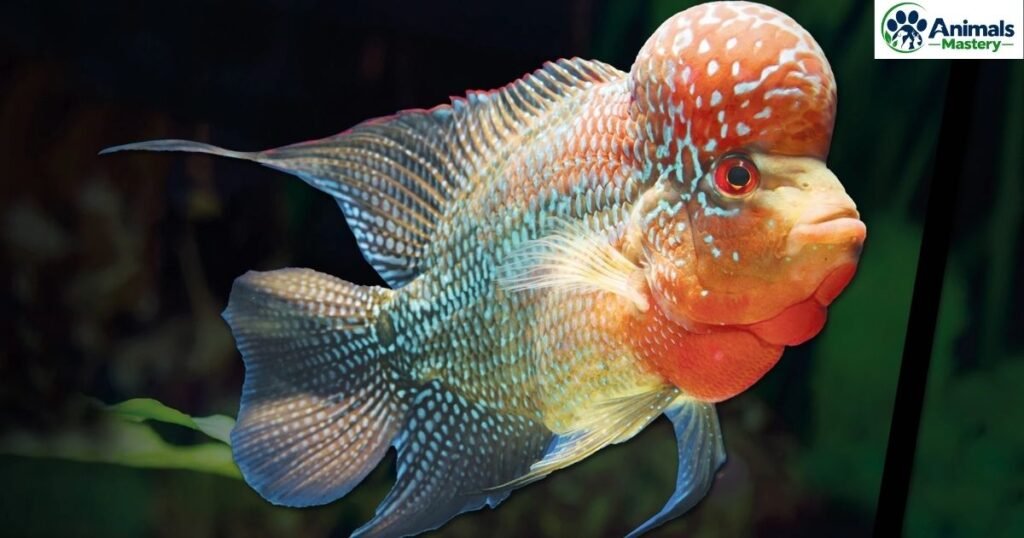
The Flowerhorn Cichlid stands out astoundingly. Known for its exaggerated nuchal lump, this aquarium favorite isn’t just about looks; it’s a window into a world of fascinating adaptations. The distinct bulge is not merely a decorative feature; it plays a vital role in social interactions and mating displays.

With colors that shift under different lighting and moods, the flowerhorn cichlid showcases a level of emotional expression that engages both owners and onlookers alike. The big forehead of the flowerhorn cichlid signifies robust health and genetic diversity, essential traits for breeders.
This striking fish has become a symbol in certain cultures, representing prosperity and fortune. This unique characteristic prompts us to consider how such adaptations have evolved, offering a glimpse into the complex interplay of form, function, and social dynamics in the animal kingdom.
Green Sea Turtle
- Scientific Name: Chelonia mydas
- Class: Reptilia
- Diet: Herbivore
The green sea turtle is known for its unique facial features, particularly its prominent forehead. This distinctive trait isn’t just for show; it serves practical purposes. The larger forehead houses an extensive jawbone and powerful muscles essential for cracking tough shells of prey, like sea urchins.

Their rounded heads help streamline their swimming, allowing them to navigate efficiently through ocean waters. This forehead prominence isn’t limited to just functional aspects; it’s also a canvas for the evolutionary story of the species. Green sea turtles have adapted to a diet rich in hard-shelled organisms; their foreheads have gradually evolved to balance both power and agility.
Bison
- Scientific Name: Bison bison
- Class: Mammalia
- Diet: Herbivore
The bison, often synonymous with the vast American plains, boasts a remarkably prominent forehead that serves multiple purposes in its rugged lifestyle. This expansive brow isn’t merely for show; it plays a crucial role in thermoregulation, allowing the animal to manage body heat more effectively during harsh winter months.
With each glance at these majestic creatures, one can’t help but appreciate the layers of significance behind that formidable brow.
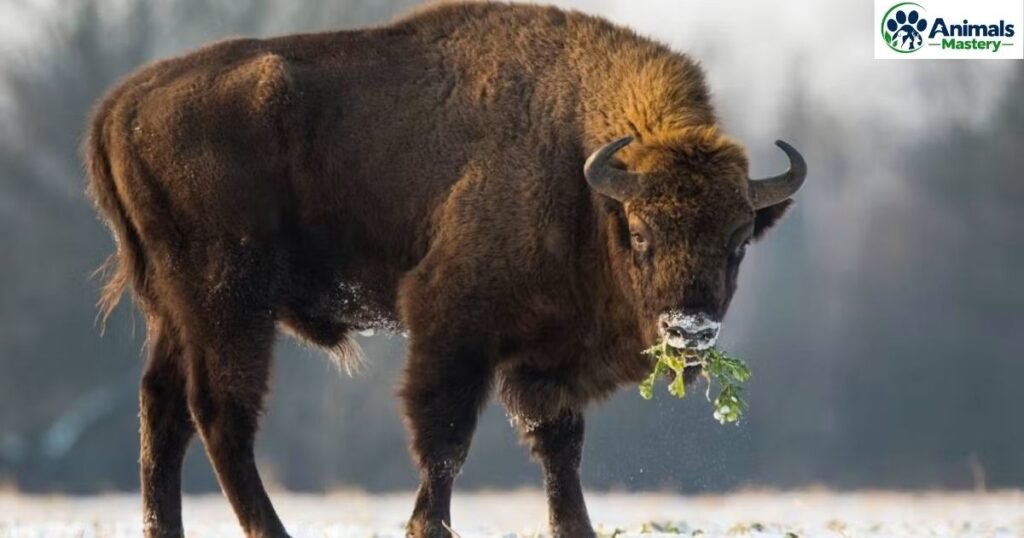
The bison’s forehead also houses powerful muscles that assist in grazing, especially in winter when snow covers grasses. Bison engage in ritualistic displays of dominance, using their impressive skull structure to assert power during mating season or when establishing hierarchy within the herd.
This unique adaptation intertwines beauty and practicality, making the bison’s forehead a fascinating study in evolutionary fitness, one that reflects the intricate balance of survival and social behavior in the wild.
Muskox
- Scientific Name: Ovibos moschatus
- Class: Mammalia
- Diet: Herbivore
The muskox stands out as a true beauty of adaptation. With its thick, heavy fur and massive curved horns, this northern mammal’s forehead serves more than just an aesthetic purpose.
This behavior highlights the physicality associated with their anatomy and the intricate social hierarchies within their herds.

In harsh Arctic climates, the thick layer of fat beneath their skin insulates them and provides a sturdy base for their impressive horns, which play a crucial role in protection and mating displays.
The shape of the muskox’s forehead is critical to their social dynamics. During the mating season, males will often engage in dramatic head-butting contests, using the strength and size of their foreheads to establish dominance.
Elephant Seal
- Scientific Name: Mirounga leonina
- Class: Mammalia
- Diet: Carnivore
When it comes to big foreheads in the animal kingdom, few creatures can rival the striking presence of the elephant seal. Males of this species boast an impressive nose that protrudes prominently from their forehead, serving both aesthetic and functional roles.
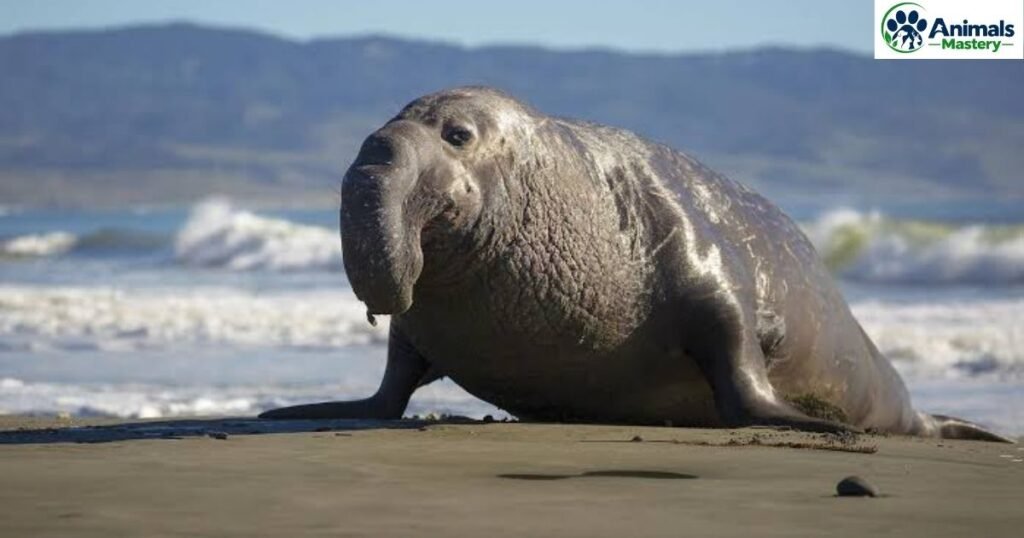
During the mating season, these massive males use their imposing foreheads to attract females and establish dominance among rivals. The sheer size of their noses can reach up to two feet in length, creating a dramatic silhouette that echoes the powerful, blustery ocean waves they inhabit.
Beyond the sheer novelty of their appearance, the forehead of the elephant seal plays a crucial role in thermoregulation. With such a substantial mass of blubber and skin, these seals use their foreheads to dissipate heat and maintain a stable body temperature while basking in the sun or diving into frigid waters.
Orangutan
- Scientific Name: Pongo pygmaeus
- Class: Mammalia
- Diet: Herbivore
The orangutan stands out as a prime example. These intelligent primates possess a forehead that serves not just an aesthetic purpose but also reflects their complex social structures and emotional depth. In male orangutans, the forehead can swell significantly during maturation phases, signaling dominance and attracting mates.
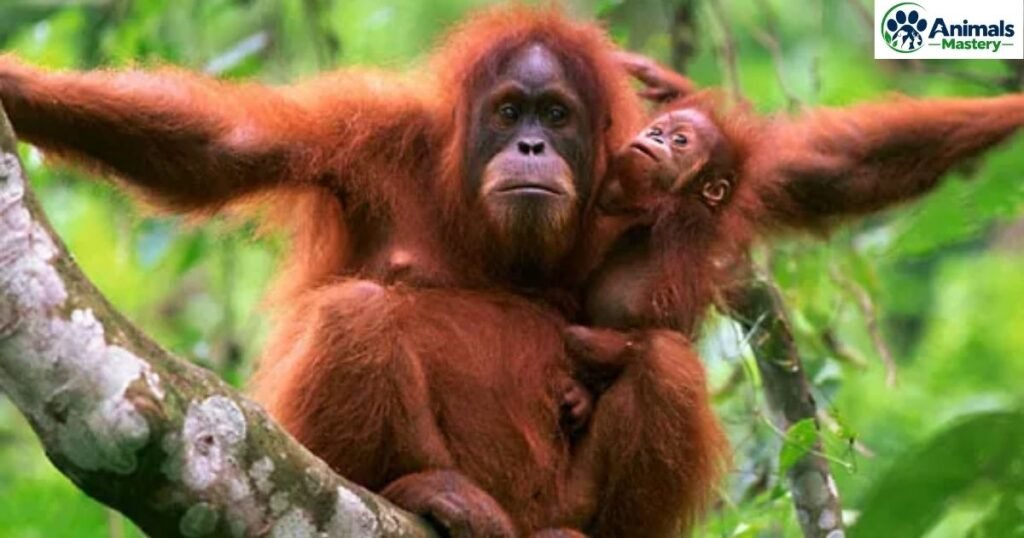
This unique trait, along with their expressive facial features, underscores the importance of communication in their social interactions and mating rituals. The extracranial space potentially accommodates a larger brain, enhancing their problem-solving skills and social learning.
They exhibit remarkable tool use and strategizing, which might be facilitated by this evolutionary trait, allowing them to adapt to their diverse environments.
Gorilla
- Scientific Name: Gorilla gorilla
- Class: Mammalia
- Diet: Herbivore
Gorillas, with their commanding presence and expressive features, are a prime example of animals with remarkable foreheads. Their prominent brow ridges lend them a distinct look and serve practical purposes, offering structural support for their massive skulls.
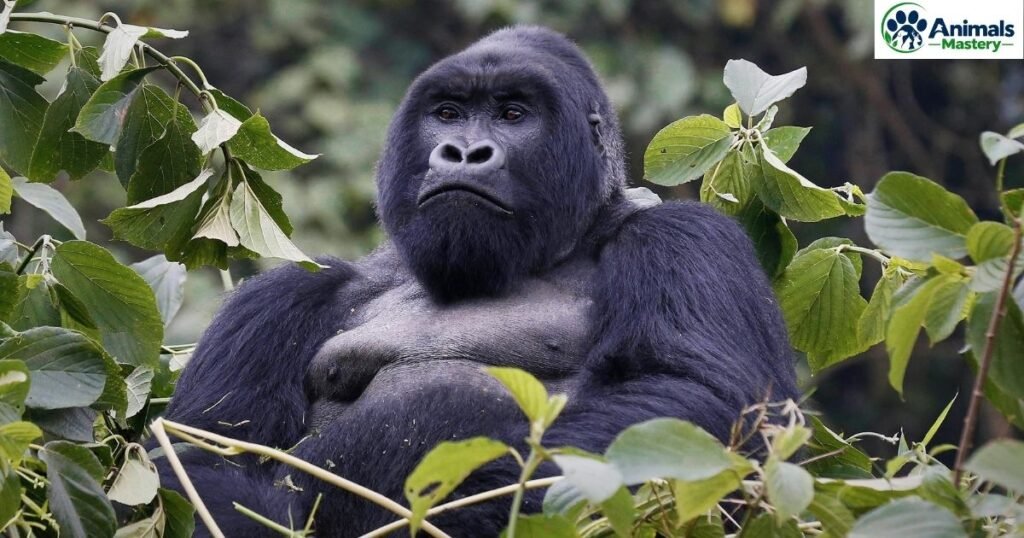
This anatomical feature houses a large brain, essential for their complex social interactions and problem-solving abilities. A gorilla’s social intelligence shines through as they demonstrate empathy and cooperation within their family groups, often utilizing their powerful minds to navigate intricate social dynamics.
This generous space also accommodates the intricate neural networks required for their impressive memories, enabling them to travel vast distances and remember vital water sources and migration routes.
Saki Monkey
- Scientific Name: Pithecia pithecia
- Class: Mammalia
- Diet: Herbivore
The Saki monkey, with its distinctively large forehead, is a captivating example of evolution’s quirks. Its pronounced brow adds to its unique charm but serves a purpose in communication.
The expansive forehead may aid in balancing its large, bushy mane, creating an impressive silhouette against the lush canopies of South America.

These agile primates are known for their expressive faces, where that prominent forehead helps convey a range of emotions among their social groups. The Saki Monkey’s striking appearance raises questions about adaptation.
Such traits highlight the intricate relationship between morphology and habitat; the Saki monkey thrives in dense forests, where its bold features stand out against a backdrop of greens and browns.
Bald Uakari
- Scientific Name: Cacajao calvus
- Class: Mammalia
- Diet: Herbivore
Among the pantheon of creatures, the Bald Uakari stands out not just for its striking appearance but for its surprisingly intricate biology. Hailing from the Amazon rainforest, this primate features a prominent forehead that enhances its expressive face, facilitating poignant social interactions within its troop.
The exaggerated foreheads of certain bird species amplify their calls, helping them establish territory or attract mates across dense habitats.
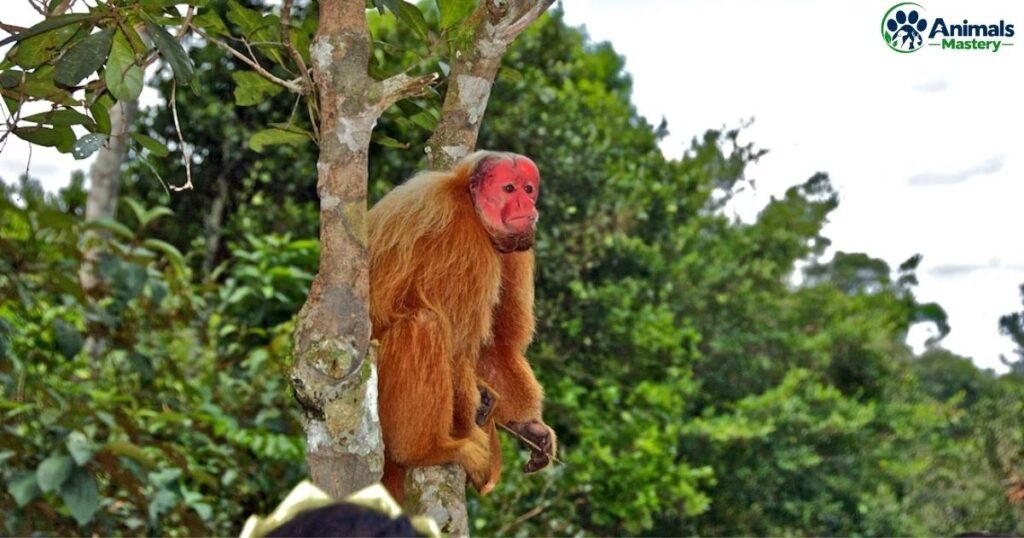
The bald uakari’s hairless, bright red forehead is not merely an aesthetic trait; it plays a crucial role in communication and mate selection. The stark coloration signals health and vitality, crucial factors in the social hierarchy of these intelligent monkeys.
This attribute, more common in the animal kingdom than one might think, highlights a fascinating evolutionary strategy: the adaptation of physical traits to enhance survival and social dynamics within animal communities.
Beluga Sturgeon
- Scientific Name: Huso huso
- Class: Actinopterygii
- Diet: Carnivore
The beluga sturgeon is a striking example of an animal that boasts a notably large forehead. This ancient fish, known for its impressive size and unique physical features, has a forehead that plays a critical role in its survival. This prominent structure aids in the fish’s navigational abilities in the murky waters of the Caspian and Black Seas.
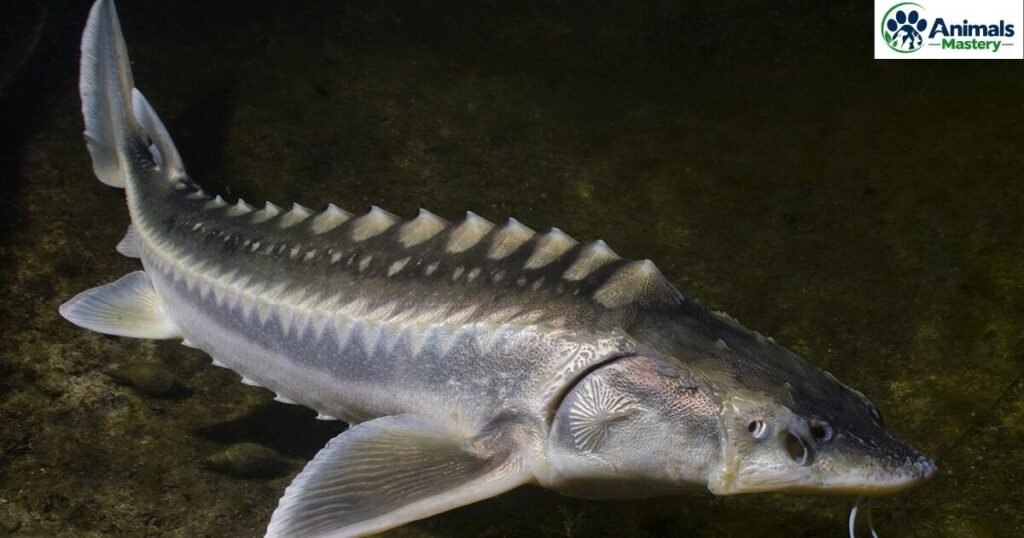
Unlike more familiar aquatic creatures, the bulging forehead of the beluga sturgeon enhances its electroreception capabilities, allowing it to detect subtle changes in its environment, essential for locating prey and avoiding predators.
The enlarged forehead also serves as a canvas for the beluga’s evolutionary history, signifying its adaptations over millions of years. As one of the oldest species in the world, this magnificent fish retains features that echo its prehistoric ancestors.
Domestic Ram
- Scientific Name: Ovis aries
- Class: Mammalia
- Diet: Herbivore
Creatures with distinct forehead sizes frequently spark interest, especially regarding the domestic ram. With their sweeping, curved horns framing a broad forehead, these creatures are not just visually striking; they play a pivotal role in social hierarchies.
This translates into more successful foraging and better survival strategies, as they are often the first to explore unfamiliar terrains.
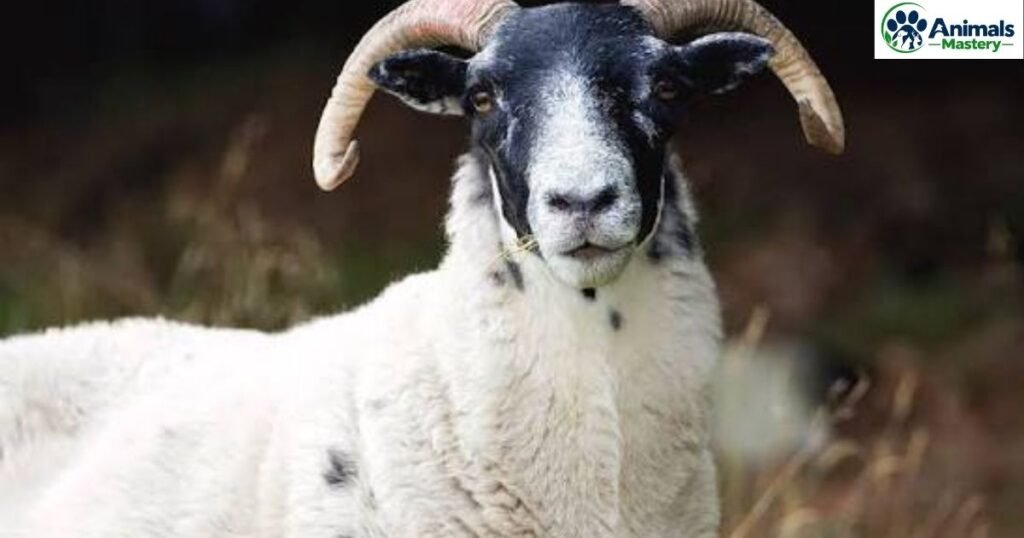
A prominent forehead can indicate strength or maturity within a group, influencing mating choices and establishing authority. This unique characteristic serves as an evolutionary advantage, allowing rams with larger foreheads to command respect among peers, ensuring their place in the pecking order.
The unique architecture of their skull supports impressive horns and plays a critical role in their impressive olfactory capabilities, enhancing their ability to detect potential mates or threats far beyond that of their less-endowed counterparts.
Walrus
- Scientific Name: Odobenus rosmarus
- Class: Mammalia
- Diet: Carnivore
The walrus, for example. Their remarkably large foreheads house powerful muscles that support their impressive tusks, used for hauling themselves onto ice or defending against predators. This, combined with their blubbery bodies, creates a striking silhouette in the icy waters of the Arctic.
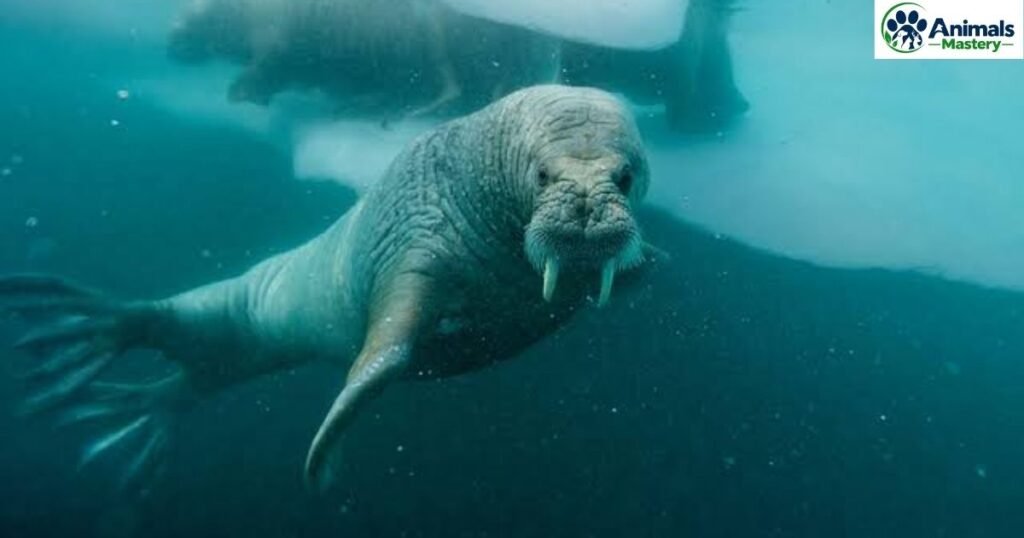
The forehead’s prominent structure helps these magnificent creatures demonstrate strength and assertiveness, vital for establishing dominance in their complex social dynamics. Such adaptations reveal how evolution has sculpted these animals not just for survival but for thriving in their unique environments.
Harp Seal
- Scientific Name: Pagophilus groenlandicus
- Class: Mammalia
- Diet: Carnivore / Piscivore
The Harp Seal, for example. Its prominent forehead is not just for show; it plays a crucial role in the animal’s mating rituals. Males showcase their larger foreheads during courtship, signaling strength and genetic fitness to potential mates.

This physical trait enables them to stand out in the icy waters where they breed, showcasing evolution in action. Many animals with larger foreheads, like the Harp Seal, possess a more developed frontal lobe, allowing for heightened awareness of their surroundings.
Short-Finned Pilot Whale
- Scientific Name: Globicephala macrorhynchus
- Class: Mammalia
- Diet: Carnivore
The short-finned pilot whale, with its strikingly prominent forehead, offers a fascinating glimpse into the evolutionary adaptations of marine mammals. This unique cranial structure is more than just a structure; it plays a crucial role in the species’ echolocation capabilities.
The prominent forehead of the short-finned pilot whale enhances our comprehension of social dynamics in cetaceans.

The large melon/forehead is filled with fatty tissue that helps to focus and amplify sound waves, enabling these whales to navigate the deep ocean and locate prey with remarkable accuracy. It’s a perfect testament to how form follows function in the animal kingdom. The prominent forehead of the short-finned pilot whale enhances our comprehension of social dynamics in cetaceans.
These highly intelligent animals are recognized for their intricate social systems and deep family connections, frequently traveling in groups of as many as 50 individuals. The noticeable size of their foreheads might also function as a means of non-verbal communication, improving recognition among members of the pod.
Narwhal
- Scientific Name: Monodon monoceros
- Class: Mammalia
- Diet: Carnivore
The narwhal, often dubbed the “unicorn of the sea,” is not just fascinating for its mythical appearance and for its impressive forehead. This marine mammal sports a distinctive tusk, stemming from a tooth that can grow up to ten feet long, protruding dramatically from its upper jaw.

Researchers believe this elongated feature might play a role in social interactions, possibly helping narwhals navigate their icy habitats, communicate with one another, and even attract mates. The forehead, where the tusk emerges, serves as a medium for this unique expression of identity and status within narwhal pods.
A pronounced forehead can signify evolutionary adaptations that enhance survival, be it through social hierarchy or physical prowess, thus showcasing the incredible diversity of life and the hidden complexities behind such seemingly simple traits.
African Elephant
- Scientific Name: Loxodonta africana / Loxodonta cyclotis
- Class: Mammalia
- Diet: Herbivore
In the realm of animals, few beings display a more remarkable forehead than the magnificent African elephant. These gentle giants can possess a forehead that holds a wealth of wisdom and emotion, serving as a canvas for their intricate social interactions.
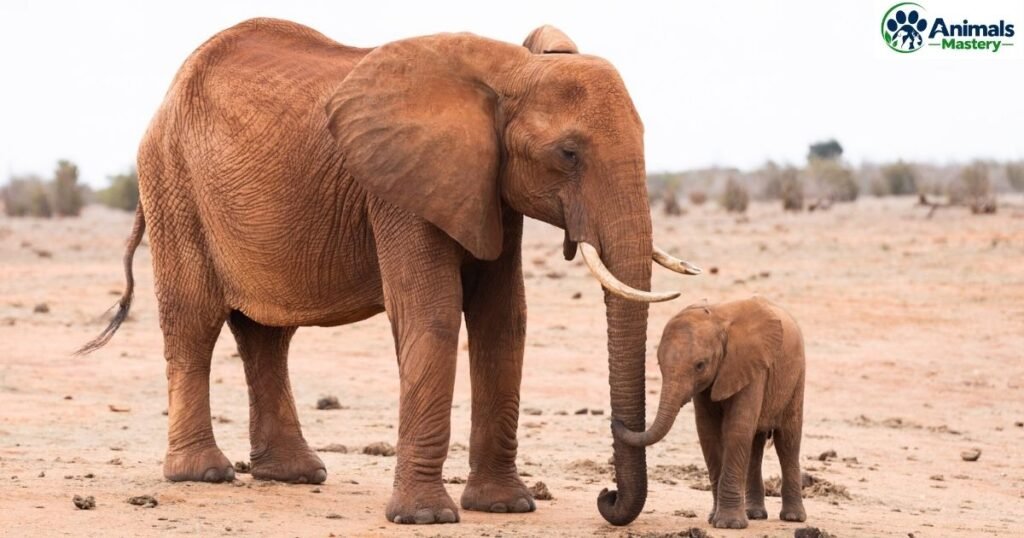
The pronounced curve of their foreheads is not just for show; it houses essential anatomy, including vital sensory organs and brain structures that amplify their incredible intelligence. The forehead is the elephant’s stage, showcasing dominance and the tenderness of familial bonds as they communicate with one another through physical presence.
The large forehead also plays a role in the elephant’s survival strategies. It’s a structural advantage when navigating through dense vegetation, helping them to assess their surroundings and identify food sources from a distance.
Chimpanzee
- Scientific Name: Pan troglodytes
- Class: Mammalia
- Diet: Omnivore
Chimpanzees are fascinating examples of how nature’s design can vary dramatically, with their prominent foreheads typically housing an impressive brain. This is a testament to their intelligence and social complexity; larger foreheads accommodate the areas of the brain responsible for problem-solving and emotional understanding.
Their forehead prominence isn’t just for show; it plays a crucial role in their communication and relationships within troops, allowing for nuanced expressions that enhance social bonding. But the world of animals with large foreheads extends beyond primates.
Take the male narwhal, for instance, whose elongated tooth protrudes from its forehead like a mythical unicorn horn. This unique adaptation serves to attract mates and aids in establishing dominance within their pods. This anatomical feature is integral to their mating rituals, showcasing strength and vitality to potential partners.
Hamster
- Scientific Name: Cricetus cricetus
- Class: Mammalia
- Diet: Omnivore
Animals with notably big foreheads often spark curiosity and fascination, and one such creature is the lovable hamster. These small rodents, with their prominent domes, serve functions beyond mere aesthetics.
In various species, a larger head can indicate a more developed brain, which allows hamsters to learn and remember complex tasks, boosting their survival in the wild.

Their enlarged forehead area accommodates important features, such as those intricate tactile whiskers and sensitive skin that play a crucial role in navigating their environments. This head structure supports their keen sense of touch, essential for survival in burrows where sight is limited.
This head shape can influence social interactions; a hamster with a pronounced forehead might communicate its status in the hierarchy more effectively among its peers, using body language and facial expressions.
Dugong
- Scientific Name: Dugong dugon
- Class: Mammalia
- Diet: Herbivore
Among the intriguing animals with notably large foreheads, the dugong stands out not just for its size but also for the insights it provides into marine evolution. These gentle marine mammals are often dubbed sea cows, and their rounded foreheads serve a specific purpose: buoyancy.

The bulging shape helps them maintain balance while grazing on seagrasses in shallow coastal waters, showcasing an elegant adaptation to their environment. The dugong’s forehead isn’t merely a physical characteristic; it symbolizes the delicate balance of marine ecosystems.
As they feed, they play a crucial role in maintaining seagrass beds, which are vital for carbon sequestration and providing habitat for countless marine species. In this way, the anatomy of the dugong transcends mere function, embodying the interconnected web of life that thrives beneath the waves.
Explore More Wild Animal Guides
- Animals like weasels share the sleek bodies, quick movements, and sharp hunting instincts that define this fascinating predator family. Found across forests, grasslands, and even urban areas, these creatures showcase nature’s clever adaptations for survival. Discover 30 species that share the weasel’s signature traits.
- Birds with long legs are built for wading through shallow waters and marshes with ease and precision. Their elongated limbs help them hunt fish, insects, and small prey while staying stable on soft or uneven ground. Discover 39 species that showcase this striking evolutionary adaptation.
- The cleanest animals in the world show that cleanliness isn’t just a human trait. Species like cats, otters, and certain birds spend hours each day maintaining their fur, feathers, or skin to stay healthy and parasite-free. Discover 15 species that take tidiness to the next level.
- Animals like foxes share the same clever instincts, pointed ears, and bushy tails that make this family so captivating to study. Found across diverse habitats worldwide, these creatures showcase remarkable adaptability and cunning survival strategies. Discover 23 species that share the fox’s signature traits.
- Animals That Eat Mice: Predators rely on sharp senses and swift instincts to track down these small, elusive rodents. Found in forests, fields, and even backyards, these hunters play a vital role in keeping rodent populations in check. Discover 16 species that make mice a regular part of their diet.
Final Thoughts about Animals with Big Foreheads
Animals with big foreheads showcase some of nature’s most fascinating adaptations. From the majestic moose to the quirky capybara, these creatures demonstrate how their unique features play crucial roles in their survival and behavior.
The large foreheads often aid in foraging, mating displays, or even communication, highlighting the intricate balance of ecosystems. As we continue to study these animals, we uncover the wonders of evolution and the diversity of life on our planet. Let us appreciate and protect these remarkable species, for they each contribute to the rich tapestry of biodiversity.
FAQs
Why do some Animals have Big Foreheads?
It’s usually linked to specialized organs (like echolocation in whales), fat deposits, bone structure, or display features used for mating and dominance.
What is the Melon on a Beluga Whale’s Forehead for?
It’s a fatty organ used for echolocation, helping the whale navigate and find food in dark or icy water.
Why do Cichlids like the Flowerhorn Develop a Head Bump?
This “nuchal hump” is made of fat and tissue, growing larger in males, especially during breeding season.
Do Male Animals usually have Bigger Foreheads than Females?
Yes, in many species like gorillas, bison, and rams, a larger forehead signals maturity, strength, or dominance.
Which Animal has the Biggest Forehead Relative to its Body?
The sperm whale, whose head can make up nearly a third of its total body length.
Does a Big Forehead mean an Animal is more Intelligent?
Not directly; forehead size relates to skull and fat structure, though some big-foreheaded species (like elephants) are also highly intelligent.