
Top 15 Animals That Eat Corn (With Pictures): Fascinating Facts
We’ll explore the fascinating world of Animals That Eat Corns, delving into which creatures are drawn to this vibrant grain and why it matters.
Understanding these animals’ diets can shed light on their behavior, habitats, and even agricultural practices. Get ready to discover the surprising relationships between wildlife and one of humanity’s favorite crops.
List of Animals That Eat Corns
Below is the list of Animals That Eat Corns:
- Chipmunks
- Pigs
- Deer
- Squirrel
- Black Rat
- Cows
- Chickens
- Horses
- Goats
- Common Raven
- Buffalo
- Rabbit
- Deer Mouse
- American Crow
- Guinea Pigs
Chipmunks
Scientific Name: Tamias
Class: Mammalia
Diet: Omnivore
Chipmunks, those small, stripey wonders of the animal kingdom, have a fascinating repertoire of behaviors that often fly under the radar. Beyond their adorable appearance, these nimble creatures are exceptional hoarders, secretly stashing away food in their burrows for the winter months.

This practice isn’t just about survival; it reflects a remarkable adaptability to changing environments. Their meticulous food collection techniques (Animals That Eat Corns) reveal an intelligent approach to resource management, showcasing their evolutionary success.
Chipmunks engage in a sophisticated form of communication that involves both vocalizations and body language. Their chirps and trills serve not only as alerts for danger but also play a key role in establishing territory and attracting mates.
Pig
Scientific Name: Sus scrofa
Class: Mammalia
Diet: Omnivore
Pigs are often misunderstood creatures, seen primarily as livestock or sources of food. Yet, their intelligence and emotional depth draw fascinating parallels to human behavior.
Studies have shown that pigs can navigate mazes, play video games, and even form social bonds that mirror our own friendships. They communicate using a complex range of sounds, suggesting that their social lives are more intricate than we might assume.
Pigs possess remarkable adaptability, thriving in diverse environments from farms to forests. In some cultures, they play a significant role in ecosystem management, rooting through the soil and aiding in seed dispersal, ultimately promoting biodiversity.
Deer
Scientific Name: Cervidae
Class: Mammalia
Diet: Herbivore
Deer are more than just elegant creatures that grace our woodlands; they are intricate players in their ecosystems. With about 90 species worldwide, these mammals exhibit a fascinating range of adaptations.

The ability of the White-tailed Deer to detect scents can be nearly 10,000 times more acute than that of humans, allowing them to navigate danger, find mates, and forage effectively.
This keen sense contributes not only to their survival but also to their role as prey for larger predators, creating a balanced predator-prey dynamic that is vital for ecological health. In recent years, studies have illuminated the complex social structures within deer herds.
Squirrel
Scientific Name: Sciuridae
Class: Mammalia
Diet: Omnivore
Squirrels, often overlooked in the grand tapestry of wildlife, embody a remarkable blend of agility and intelligence. With their bushy tails acting as rudders during high-speed chases through the canopy, these creatures are not just adept climbers but also master problem solvers.
Researchers have observed that squirrels can remember the locations of thousands of buried nuts, showcasing an impressive spatial memory that rivals even that of some birds. This behavior is not just a survival tactic; it’s a subtle reminder of nature’s ingenuity in storing food and preparing for seasonal changes.
What truly sets squirrels apart is their social dynamics, particularly among species like the Eastern Gray Squirrel. These little acrobats engage in elaborate communication rituals, from vocalizations to tail movements, creating a complex language that enriches their interactions.
Black Rat
Scientific Name: Rattus rattus
Class: Mammalia
Diet: Omnivore
The Black Rat, often overlooked in the vast panorama of rodent species, offers a surprisingly rich tapestry of ecological significance and historical intrigue. Its gray counterpart, the Black Rat (Rattus rattus) has succeeded in adapting to diverse environments, thriving in urban jungles and rural landscapes alike.

Its agility and climbing prowess have made it a formidable survivor, often residing in high places like trees and rooftops, which provides it with a unique vantage point in the quest for food and safety.
The Black Rat plays a dual role both as a scavenger and a potential vector for disease. Historically, it was a key player during the bubonic plague pandemic, symbolizing the complex interplay between humans and wildlife.
Cows
Scientific Name: Bos taurus
Class: Mammalia
Diet: Herbivore
Cows are remarkably social creatures, forming intricate bonds within their herds. Research has shown that they can develop friendships, often choosing to spend time with certain individuals over others.
This preference highlights their emotional depth and intelligence, inviting us to rethink the simplistic view of these animals as mere livestock. In playful moments, cows can be seen engaging in games, showcasing their zest for life and ability to communicate joy.
Cattle play a crucial role in sustainable farming practices. Their grazing habits promote biodiversity and help maintain healthy grasslands, contributing to a balanced ecosystem.
Chickens
Scientific Name: Gallus gallus domesticus
Class: Aves
Diet: Omnivore
Chickens are often viewed merely as farm animals, but their social dynamics and intelligence can rival that of more traditionally regarded pets. Recent studies have revealed that chickens exhibit complex social behaviors, form friendships, and even communicate using a variety of vocalizations that convey specific messages.

They develop a hierarchy known as the pecking order, which can shift based on personality and social interactions, showcasing a depth of emotional intelligence that many hadn’t attributed to these feathered creatures.
The sustainability of backyard chicken raising is gaining traction as more people seek eco-friendly living solutions. Not only do chickens provide fresh eggs, but they also contribute to pest control, natural waste management, and nutrient recycling within gardens.
Horses
Scientific Name: Equus caballus
Class: Mammalia
Diet: Herbivore
Horses possess an extraordinary ability to mirror human emotions, forging profound connections that transcend mere companionship.
This unique trait stems from their deep-rooted instincts and social nature. Whether galloping freely in a field or gently nuzzling their owner’s shoulder, horses often reflect the energy and mood of those around them, making every interaction a dance of trust and understanding.
This connection can aid in therapies, helping individuals navigate their emotions and find healing in the gentle presence of these majestic creatures. The relationship between humans and horses goes well beyond riding and competition; it’s an age-old partnership rooted in history and culture.
Goats
Scientific Name: Capra hircus
Class: Mammalia
Diet: Herbivore
Goats are often underestimated, relegated to the role of farmyard charmers or eccentric pets. Yet, their intelligence and adaptability position them as vital contributors to sustainable agriculture and ecosystem health.
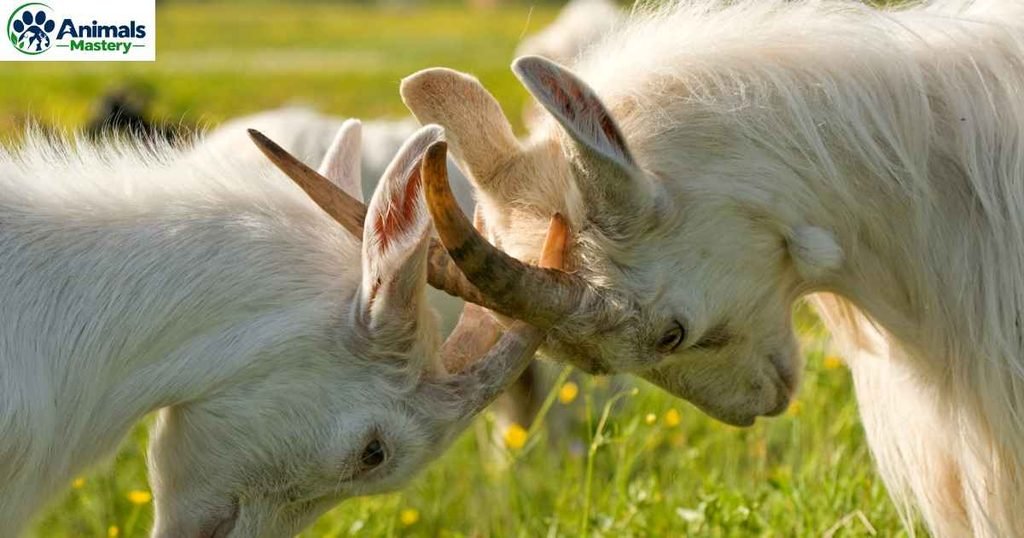
These remarkable creatures can thrive in diverse environments, from rugged mountains to arid deserts, showcasing an innate ability to forage on less-than-desirable vegetation, including invasive species that threaten local flora.
Their unique digestive system allows them to extract nutrients from plants that many other animals would avoid, making them natural allies in land management. Beyond their ecological advantages, goats also have rich emotional and social lives. They exhibit a surprising range of vocalizations and body language, fostering strong bonds within their herds.
Common Raven
Scientific Name: Corvus corax
Class: Aves
Diet: Omnivore
The Common Raven, with its glossy black feathers and sharp intellect, often captivates those fortunate enough to observe it in the wild.
Unlike its more solitary relatives, this avian marvel possesses a complex social structure, often seen engaging in playful aerial antics or even working collaboratively to solve problems, a testament to their remarkable cognitive abilities.
When perched on a high branch, the raven not only surveys its domain but also emits a series of varied calls, ranging from croaks to whistles, each serving a different purpose in their elaborate communication repertoire. What’s particularly fascinating is the raven’s relationship with human environments.
These adaptable birds have learned to thrive in urban landscapes, showcasing their ingenuity by foraging through refuse and utilizing tools to access hard-to-reach food sources.
Buffalo
Scientific Name: Bubalus bubalis
Class: Mammalia
Diet: Herbivore
Buffalo, New York, often gets overlooked in favor of flashier metropolitan areas, yet it boasts a unique charm that melds its rich history with an emerging cultural renaissance.Once a thriving industrial hub, the city has transformed its waterfront into a vibrant destination, where the shores of Lake Erie invite exploration and appreciation.

The revitalization of its historic neighborhoods, particularly the Elmwood Village and Allentown districts, reveals a tapestry of art, food, and community engagement that captivates both locals and visitors alike.
Food lovers will find Buffalo’s culinary scene a delightful surprise. Beyond its world-famous wings, the city is gaining recognition for innovative farm-to-table dining experiences and artisanal markets that celebrate local produce and craft beverages.
Rabbit
Scientific Name: Oryctolagus cuniculus
Class: Mammalia
Diet: Herbivore
Rabbits are not just adorable creatures hopping around meadows; they are also remarkable in their social structures and emotional intelligence. Often viewed merely as pets or symbols of fertility, these animals possess a rich array of behaviors that reveal their complex nature.
For instance, rabbits communicate through a variety of vocalizations, body postures, and even through scent marking, showcasing their ability to form intricate social bonds. Studies have shown that rabbits can experience a wide range of emotions, from joy to anxiety, making them surprisingly empathetic companions.
Moreover, the ecological role of rabbits extends beyond their endearing appearance. These small herbivores are crucial to their ecosystems, acting as prey for a variety of predators, which helps maintain the balance of local wildlife populations.
Deer Mouse
Scientific Name: Peromyscus maniculatus
Class: Mammalia
Diet: Omnivore
The deer mouse, a small rodent native to North America, possesses a fascinating blend of adaptability and survival skills that make it a subject of intrigue. What sets the deer mouse apart is its unique behavior; these creatures are not just nocturnal foragers but also expert climbers and swimmers, allowing them to navigate diverse environments seamlessly.

With its striking coloration typically a mix of gray and brown with white underbellies it cleverly blends into its surroundings, a tactic that has helped it thrive in a variety of habitats, from forests to grasslands.
The deer mouse plays a crucial role in its ecosystem, acting as both prey and seed disperser. Its foraging habits contribute to nutrient cycling in the soil, promoting plant growth, which in turn supports a myriad of other wildlife.
American Crow
Scientific Name: Corvus brachyrhynchos
Class: Aves
Diet: Omnivore
The American Crow, often seen as a mere black silhouette against the skyline, is a creature of remarkable intelligence and adaptability. These birds are notorious for their ability to solve complex problems, often using tools to obtain food.
Observations have shown crows crafting sticks into useful shapes, demonstrating cognitive sophistication that rivals some primates. This intelligence allows them to thrive in diverse environments, from urban landscapes to rural fields, showcasing a unique ability to coexist with humans while skillfully navigating the challenges of city life.
The social structures within crow communities reveal a depth of behavior that goes beyond survival. They are known to engage in intricate social interactions, including mourning rituals when a member of their group passes away.
Guinea Pigs
Scientific Name: Cavia porcellus
Class: Mammalia
Diet: Herbivore
Guinea pigs are more than just charming pets; they are social beings with distinct personalities. These lively little creatures thrive on companionship, not only from their own kind but also from their human caregivers.
Their vocalizations, ranging from soft purrs to excited wheeks, communicate their needs and feelings, showcasing a rich array of emotional expressions that deepen the bond with their owners.
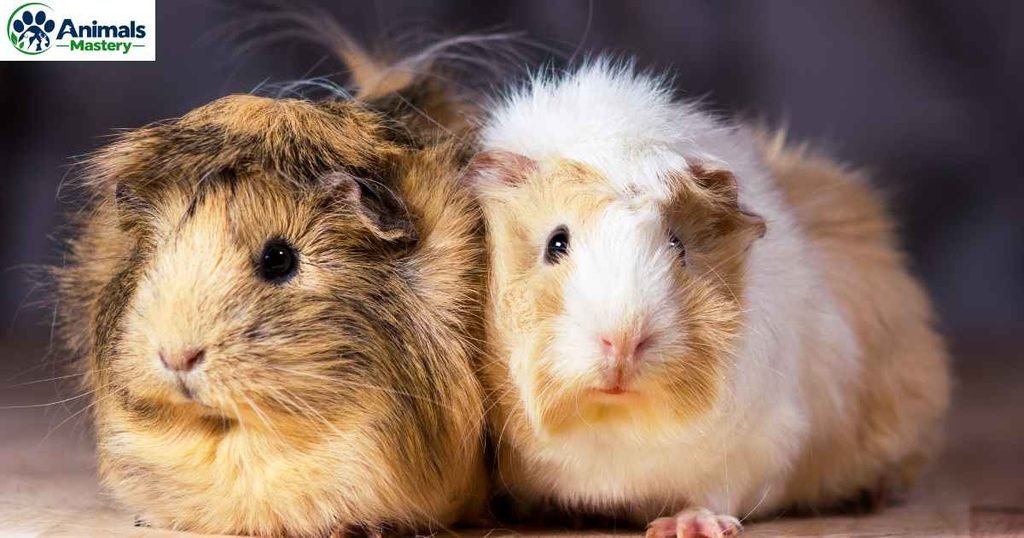
Observing their interactions provides fascinating insights into their behavior; for instance, when they dance or popcorn a joyful leap that showcases their excitement it’s a reminder of the joy simple things can bring.
Beyond their endearing antics, guinea pigs have a surprising level of intelligence and can even recognize their names. With patient training, they can learn to respond to commands and handle simple tricks, offering enrichment that elevates both their lives and ours.
Top 19 Most Muscular Animals in the World
Conclusion
The variety of Animals That Eat Corns underscores the grain’s importance in various ecosystems. From farm animals like pigs and chickens to wild species such as deer and raccoons, corn serves as a vital food source that supports the health of diverse wildlife.
These dietary habits can aid farmers and conservationists in managing their land more effectively. By being mindful of the creatures that share our environment, we can develop more sustainable agricultural practices.
FAQs
Which Animals That Eat Corns the most?
The animal that consumes the most corn is arguably the pig. Pigs are raised extensively in agriculture, particularly in countries like the United States, where corn is a primary feed source.
What Wild Animal likes Corn?
Many wild animals are drawn to corn due to its high carbohydrate content, which makes it a tasty and energy-rich food source. One of the most common visitors to cornfields is the white-tailed deer.
What Animal loves Corn on the Cob?
Many animals enjoy corn on the cob, but one of the biggest fans is undoubtedly the squirrel. These agile little creatures are notorious for raiding gardens and bird feeders in search of tasty treats, and corn is a favorite.
What Animals That Eat Corns Husks?
Many animals enjoy eating corn husks as part of their diet. One of the most common consumers is livestock, such as cattle and pigs, who benefit from the fiber and nutrients found in the husks.