Top 18 Fascinating Animals That Have Quills: Pictures and Visuals Explained
Animals that have quills are more than just a curious oddity; they play crucial roles in their ecosystems. We’ll introduce you to the top 18 of these remarkable animals, highlighting their adaptations and survival strategies. You’ll gain insight into why these quilled marvels deserve our attention and protection.
List of Animals That Have Quills
Here is the list of animals that have quills:
- Hedgehogs
- Pufferfish
- Old World Porcupine
- Echnida
- Thorny Devil Lizard
- Sea Urchin
- North American Porcupine
- Spiny rats
- African Brush‑tailed Porcupine
- Lowland Streaked Tenrec
- Indian Crested Porcupine
- Greater Hedgehog Tenrec
- Brazilian Porcupine
- Cape Porcupine
- Prehensile-tailed Porcupine
- Long-eared Hedgehog
- Lesser Hedgehog Tenrec
- Cuban Solenodon
Hedgehogs
- Scientific name: Erinaceinae
- Class: Mammalia
- Diet: Omnivorous
Hedgehogs are small mammal animals that have quills and possess a coat of sharp spines for defense. Each quill can be thought of as a miniature, living armor, offering hedgehogs protection from predators.
This defense strategy, along with their nocturnal and climbing skills, reveals how nature has uniquely adapted these animals to thrive, sparking both curiosity and caution in observers.

These nocturnal foragers are not just cute; their quills are actually modified hairs made of keratin, similar to our fingernails. When threatened, hedgehogs exhibit a remarkable ability to curl into a tight ball, effectively hiding their vulnerable spots while presenting a formidable wall of spines.
Unlike hedgehogs, porcupines rely on the offensive capability of their quills, which can sometimes even cause injury to predators in a surprise attack.
Pufferfish
- Scientific name: Tetraodontidae
- Class: Actinopterygii
- Diet: Omnivorous
The pufferfish is an example of animals that have quills. While not covered in quills like a porcupine, it employs a fascinating defense mechanism that mimics the protective function of quills.
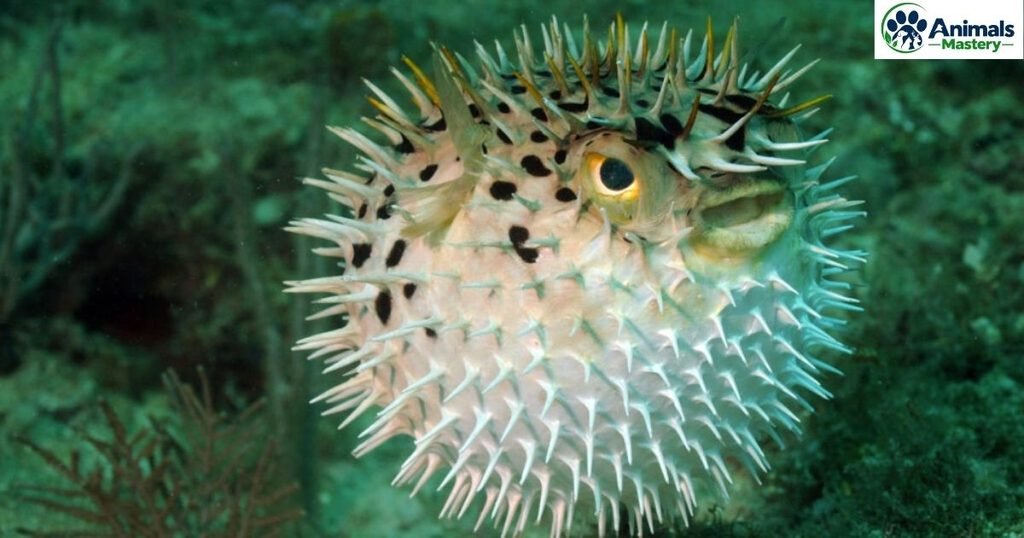
Pufferfish inflate into a spiky orb, using their sharp spines to deter predators. This unique adaptation showcases how animals can evolve different strategies that evoke a similar sense of intimidation without having traditional quills.
A closer look reveals that the quills are actually modified hairs, demonstrating the diverse ways evolution shapes defense mechanisms across species. Together, these examples highlight the incredibly varied adaptations in the animal kingdom where the principle of defense is interpreted in myriad fascinating forms.
Old World Porcupine
- Scientific name: Hystricidae
- Class: Mammalia
- Diet: Herbivorous
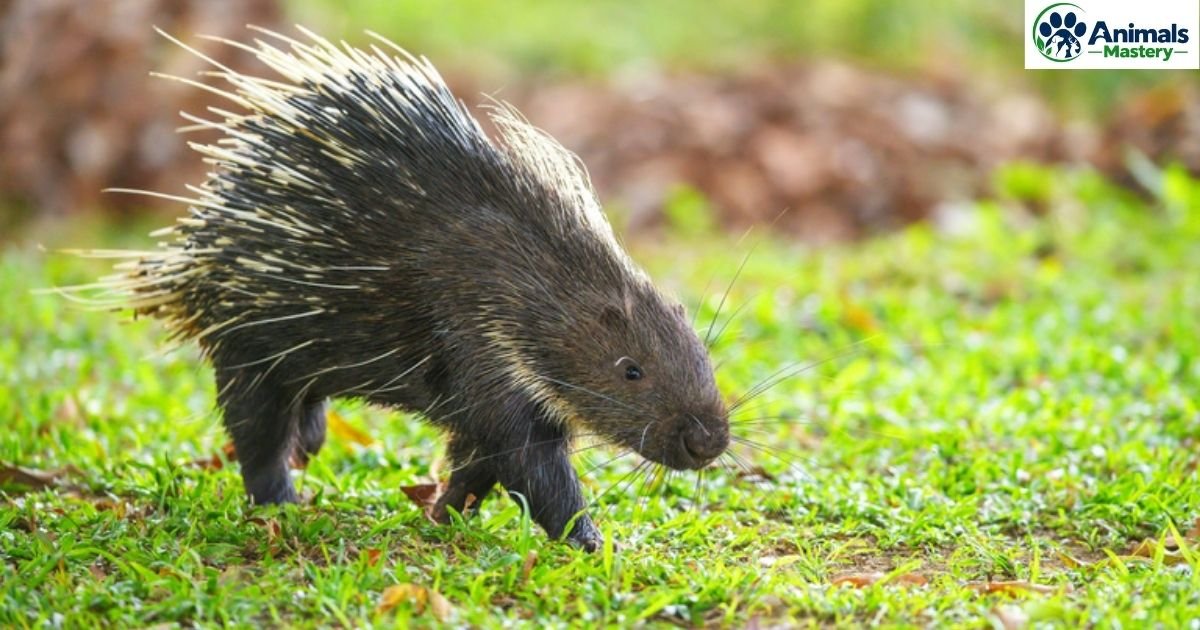
The Old World porcupine, found across Europe, Asia, and northern Africa, possesses quills that are sharp and equipped with tiny barbs that make removal by predators all the more difficult. This unique adaptation serves as an effective defense mechanism, allowing these nocturnal rodents to navigate their environment with both caution and creativity.
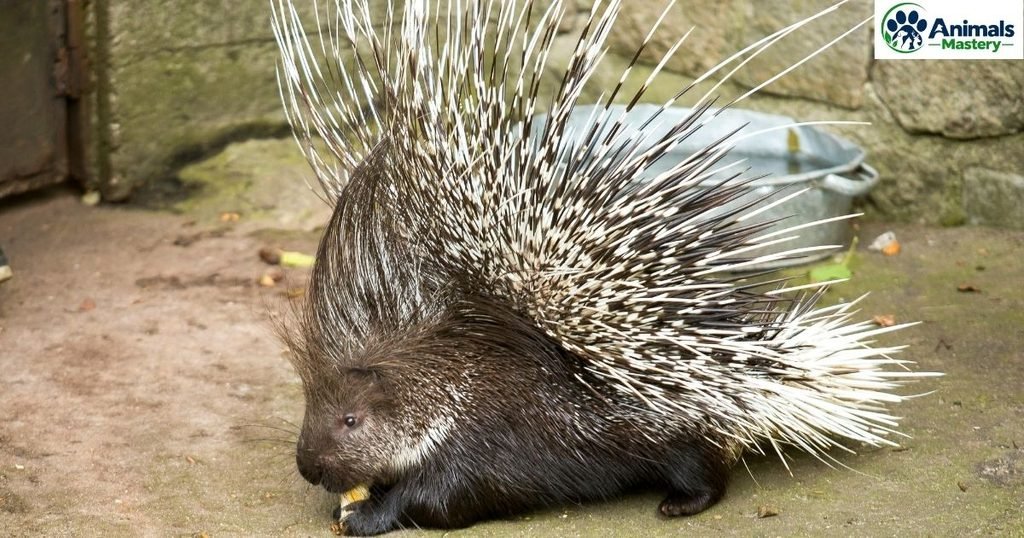
Old World porcupines don’t hurl their quills; instead, they adopt a defensive posture, raising their quills in a show of defiance. This display is both a warning and a deterrent, encouraging potential threats to reconsider their approach.
The quills of the Old World porcupine also offer a window into the intricate relationships between species. As they shed their quills, these creatures unwittingly contribute to their ecosystem, providing nesting materials for birds and other small animals, thus supporting biodiversity in their habitats.
Echidna
- Scientific name: Tachyglossidae
- Class: Mammalia
- Diet: Insectivorous
The echidna, often overshadowed by its more flamboyant relatives, is a marvel of evolutionary adaptation. This spiky creature, a monotreme like the platypus, is covered in sharp quills that serve as its primary defense mechanism.
This subtle differentiation between their defensive strategies opens the doorway to exploring how environmental factors shape animal behaviors and traits.
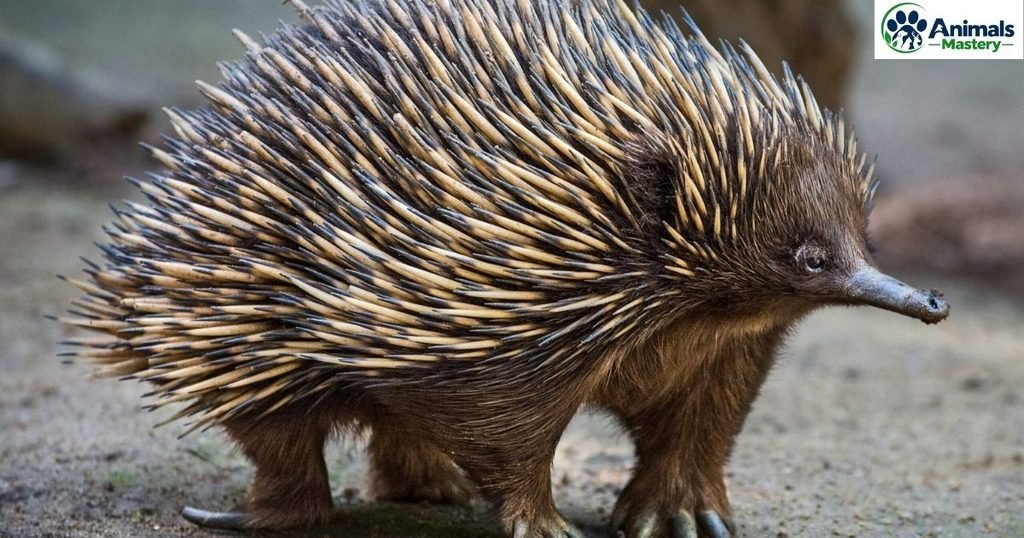
Unlike porcupines, echidnas don’t actively shoot their quills; instead, they rely on their ability to burrow into the ground or curl into a spiky ball when threatened.
This instinctive behavior, combined with a unique diet of ants and termites, illustrates their remarkable niche in the ecosystem, showcasing nature’s ability to innovate for survival. This subtle differentiation between their defensive strategies opens the doorway to exploring how environmental factors shape animal behaviors and traits.
Thorny Devil Lizard
- Scientific name: Moloch horridus
- Class: Reptilia
- Diet: Insectivorous
Let’s turn our attention to a unique species: the Thorny Devil Lizard. Although it doesn’t have typical quills, its spiky, thorn-like extensions fulfill a comparable role by blending in with its surroundings and making it less appealing to predators. The Thorny Devil is a master of deception. This adaptability further enhances its survival chances in the harsh Australian outback.

The lizard also has a unique feature: it can collect water through grooves in its skin, effectively channeling moisture from dew or rainfall to its mouth. The Thorny Devil embodies a blend of physical and behavioral strategies, illustrating the diverse methods animals use to thrive in their habitats.
Sea Urchin
- Scientific name: Echinoidea
- Class: Echinoidea
- Diet: Herbivorous / Omnivorous
The sea urchin, a creature often overlooked in discussions of quills. These spiny sea dwellers aren’t just a spiky nuisance; they are vital members of marine ecosystems. Their quills, made of calcium carbonate, serve multiple purposes, from deterring predators to facilitating locomotion.
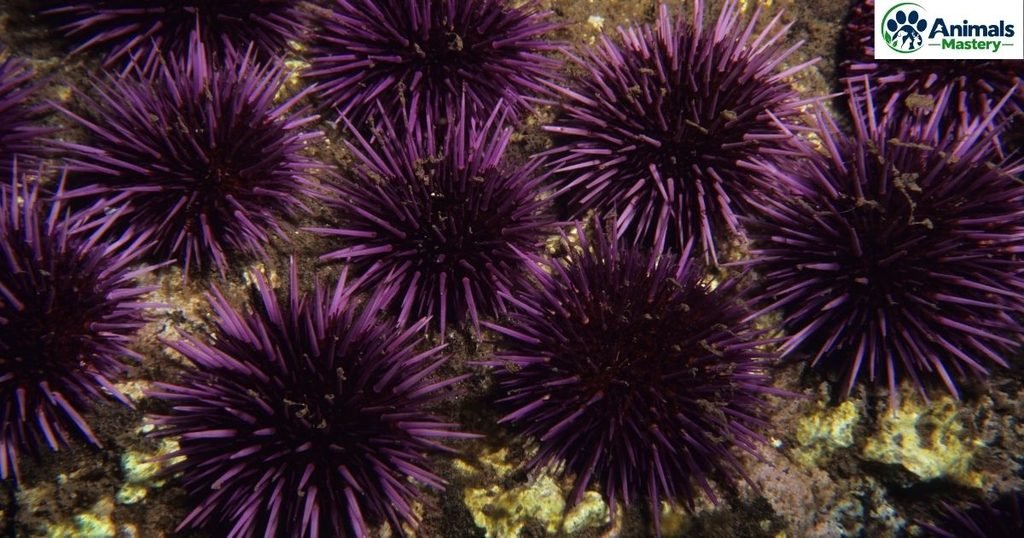
As they navigate the ocean floor, these spines also play a role in gathering food, showcasing the adaptability and ingenuity of undersea life. The static defenses of the sea urchin, an animal that has quills, can launch its barbed quills into potential threats, making it a memorable adversary.
These quills possess a unique structure that allows them to detach easily upon contact, maximizing their deterrent effect. By combining these defensive traits with their herbivorous diet, porcupines highlight how animals can evolve specialized traits to thrive in diverse habitats.
North American Porcupine
- Scientific name: Erethizon dorsatum
- Class: Mammalia
- Diet: Herbivorous
The North American porcupine, a remarkable creature, is one of the most well-known animals equipped with quills. These robust, sharp spines are not just for show; they serve as the porcupine’s primary defense mechanism.
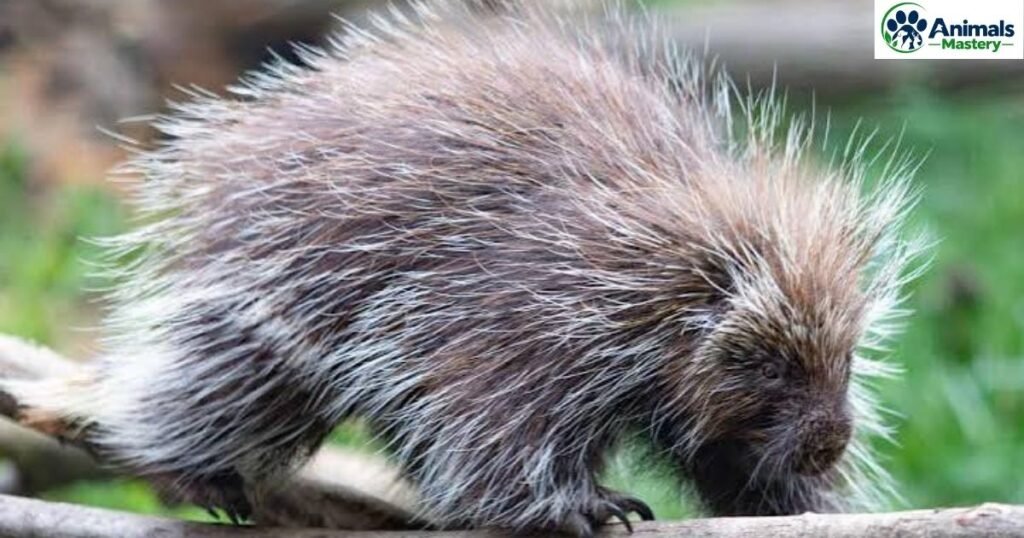
While they can detach easily when they come into contact with a predator, it’s a myth that porcupines can “throw” their quills. They rely on their sturdy quills to pierce the skin of their attacker, providing a painful reminder to stay away.
North American porcupines exhibit unique behaviors when encountering each other. The quills soften and stand down during courtship rituals, signaling a peaceful approach. This fascinating duality adds depth to their character, showcasing the tension between defense and communication in the animal kingdom.
Spiny rats
- Scientific name: Echimyidae
- Class: Mammalia
- Diet: Herbivorous / Omnivorous
Spiny rats present a fascinating blend of the unexpected and the evolutionary. These small rodents utilize their spines primarily for defense rather than as a weapon of offense. The quills, which are actually modified hairs, serve as a deterrent against predators, showcasing a remarkable adaptation strategy.

This unique form of defense enhances their survival while allowing them to thrive in the dense underbrush of South America’s rainforests. This requires an unusual level of trust, as one misstep could mean getting pricked by a quill.
Their presence in the ecosystem also highlights the delicate balance of predator and prey, making them crucial players in the web of life.
African Brush-tailed Porcupine
- Scientific name: Atherurus africanus
- Class: Mammalia
- Diet: Herbivorous
The African brush-tailed porcupine, a fascinating creature found in the forests and savannas of sub-Saharan Africa, boasts a unique defense mechanism that captivates wildlife enthusiasts. Its North American relatives have straight quills; this porcupine’s quills are more like hair, mixed with spines that can flop and flutter.

When threatened, it erects these quills in a dramatic display, creating an illusion of size that can deter even the most determined predators. This adaptive feature protects the porcupine and serves to fascinate bystanders who often wonder how such a creature evolved with such artistry in its defenses.
The African brush-tailed porcupine is nocturnal and explores its environment, foraging for roots, fruits, and bark. Its quills serve as a non-lethal defense, showcasing evolutionary adaptations. This species exemplifies nature’s remarkable adaptability and complexity.
Lowland Streaked Tenrec
- Scientific name: Hemicentetes semispinosus
- Class: Mammalia
- Diet: Insectivorous
The lowland streaked tenrec, a unique mammal native to Madagascar, showcases quills that are a defense mechanism and a fascinating evolutionary adaptation. Unlike the more familiar porcupine quills, the tenrec’s spines are more flattened and covered in fur, adding to its quirky appearance.

When threatened, this agile little creature can roll into a ball, presenting its prickly armor to predators, demonstrating a clever blend of mobility and protection.
The quills produce various sounds during courtship and rival interactions, highlighting unexpected communication among these often-ignored mammals.
As they navigate the leaf litter for insects, the Lowland Streaked Tenrec exemplifies adaptation and survival, illustrating the link between anatomy and behavior in nature.
Indian Crested Porcupine
- Scientific name: Hystrix indica
- Class: Mammalia
- Diet: Herbivorous
The Indian crested porcupine is a fascinating creature, renowned for its quills and for its remarkable adaptability. These nocturnal animals are more than mere loners; they engage in complex social interactions, using vocalizations and scent markings to communicate with one another.
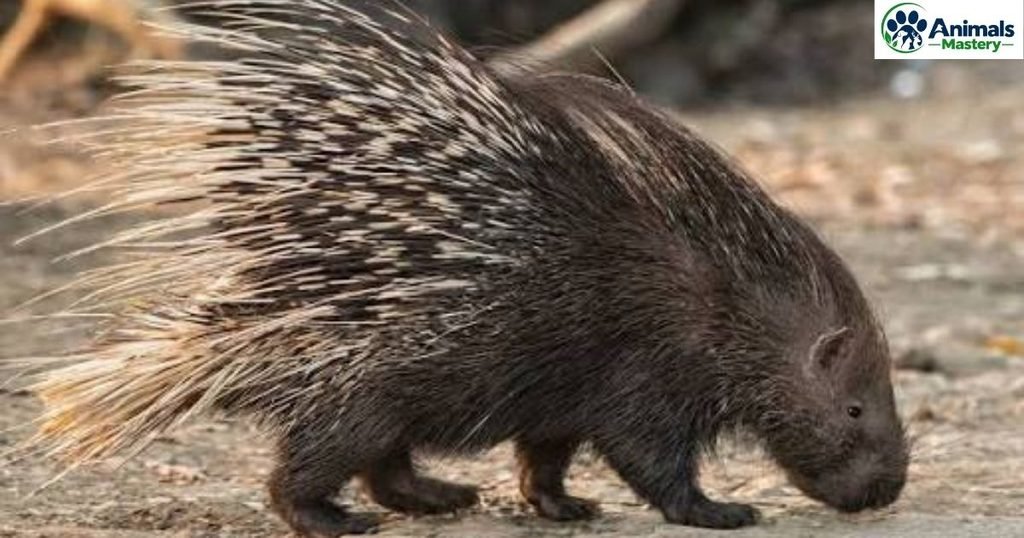
This behavior highlights an unexpected layer of intelligence that challenges the stereotype of the solitary spiny creature. The Indian crested porcupine serves multiple purposes beyond mere defense. They are primarily made of keratin, the same protein found in human hair and nails, yet they also provide insulation and play a role in mating displays.
When threatened, the porcupine can raise its quills, creating a formidable visual deterrent, but it’s the subtlety in its behavior and environment that truly captivates.
Found mostly in rocky terrains and forested areas of India, these porcupines play a vital role in their ecosystem by consuming a diverse diet of roots, tubers, and bark, which in turn affects the vegetation dynamics.
Greater Hedgehog Tenrec
- Scientific name: Setifer setosus
- Class: Mammalia
- Diet: Insectivorous
The Greater Hedgehog Tenrec stands out among quilled creatures with its unique biology and behavior. Unlike typical hedgehogs, this nocturnal mammal from Madagascar boasts quills that are actually modified hairs, not spines, like its European relatives.
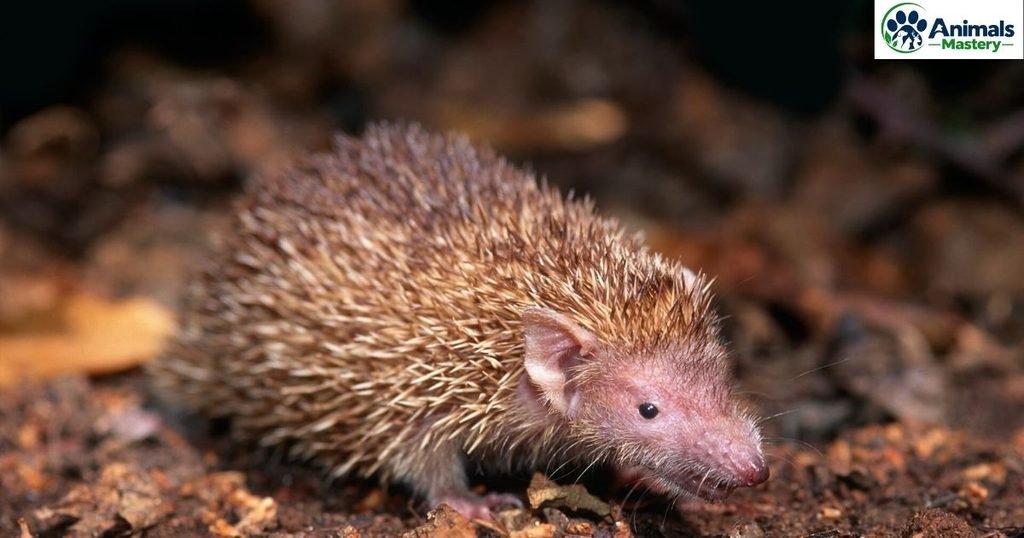
These quills can be raised and lowered, allowing the tenrec to enhance its defenses against predators. This fascinating adaptation demonstrates evolution’s creativity and the diverse strategies animals employ for survival in their various habitats.
The Greater Hedgehog Tenrec’s quills are important for social interactions and can produce unique sounds when threatened, leading to its nickname, “the porcupine of the tropics.” Studying its adaptations reveals the interconnectedness of species in Madagascar’s ecosystems.
Brazilian Porcupine
- Scientific name: Coendou prehensilis
- Class: Mammalia
- Diet: Herbivorous
The Brazilian porcupine stands out with its unique adaptations and behavior. The North American porcupine, the Brazilian variant, boasts shorter, more colorful quills that can even resemble bristles. These quills serve a dual purpose: They provide formidable defense against predators and also play a vital role in the animal’s social interactions.
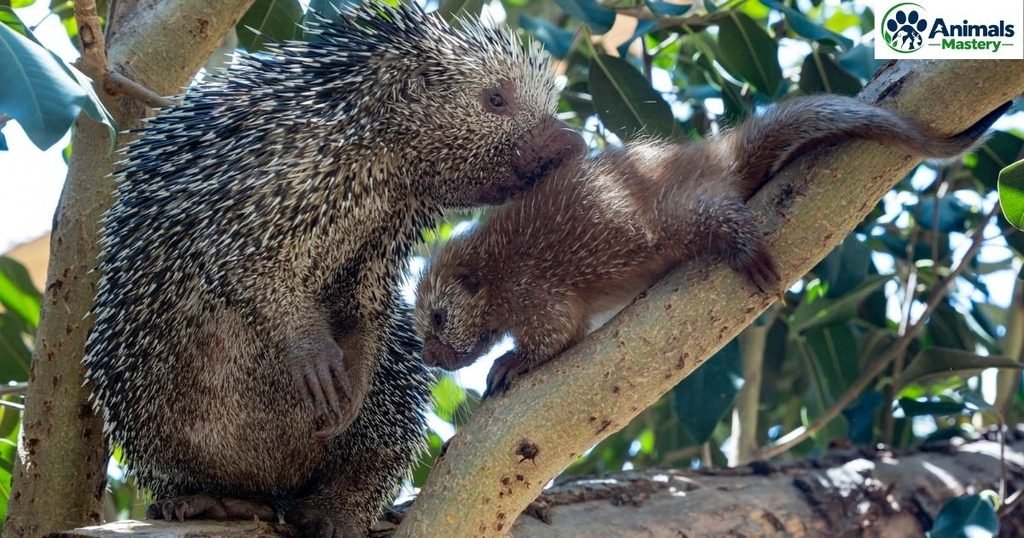
When threatened, a Brazilian porcupine can raise its quills, creating a visual warning that is often sufficient to deter most would-be attackers. They are often found in familial groups, and their quills aren’t just for protection; they also communicate with one another through subtle movements and displays.
Their spine colors can reflect health and vitality, acting as visual signals during mating. This blend of defense and communication highlights the quill’s significance beyond a mere weapon, forming a crucial aspect of their wild identity and captivating those interested in animal behavior.
Cape Porcupine
- Scientific name: Hystrix africaeaustralis
- Class: Mammalia
- Diet: Herbivorous
The Cape Porcupine, a fascinating creature native to Africa, showcases the incredible adaptability of quills in the animal kingdom. The Cape Porcupine stands out due to its robust size and strikingly long quills that can measure up to 12 inches.

These quills are not just decorative; they provide strong protection against predators. When threatened, this nocturnal herbivore can raise and shake its quills, producing a warning sound to deter attackers. Interestingly, these quills are modified hairs made mostly of keratin, which are both effective and lightweight, enabling the porcupine to move easily through its rocky environment.
They are highly social and live in family groups, often constructing elaborate burrow systems. This communal living offers protection and fosters strong bonds within the group.
By studying the Cape porcupine and its use of quills both as a shield and in social contexts, we gain a deeper appreciation for the complexities of animal adaptation and community dynamics.
Prehensile-tailed Porcupine
- Scientific name: Coendou (Genus)
- Class: Mammalia
- Diet: Herbivorous
The prehensile-tailed porcupine stands out among quilled creatures not just for its spines but for its remarkable tail, which is adapted for gripping branches. This unique feature allows the porcupine to navigate the treetops of South America with ease, making it a true connoisseur of arboreal living.
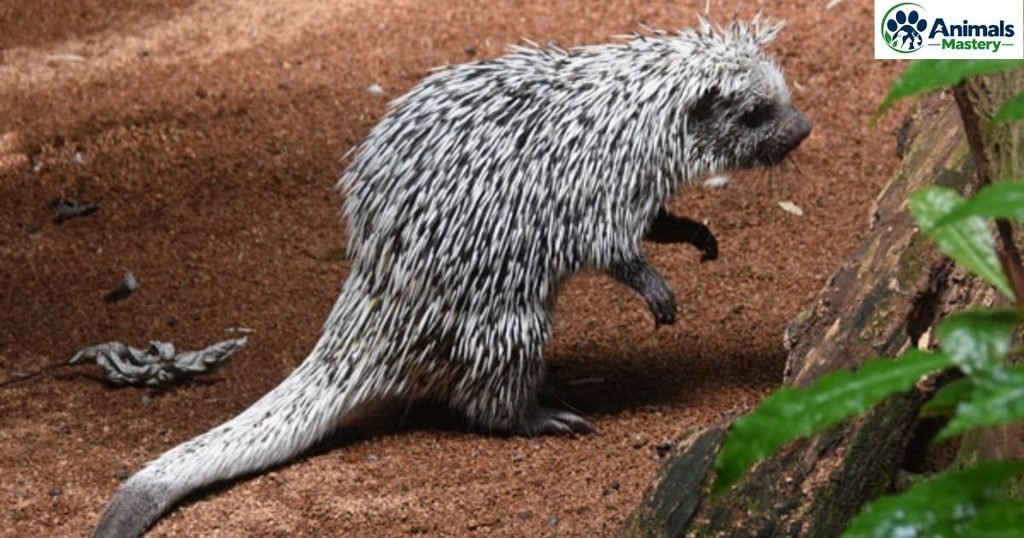
Unlike their more terrestrial relatives, these porcupines exhibit a fascinating blend of agility and defense, using their quills primarily as a deterrent against predators while gracefully maneuvering through the canopy.
When threatened, these creatures can rattle their quills in a warning display, showcasing their vibrant quill patterns that can vary significantly in hue. This ability to blend into the lush environment while signaling alerts highlights the intricate balance of survival strategies in the wild.
Long-eared Hedgehog
- Scientific name: Hemiechinus auritus
- Class: Mammalia
- Diet: Insectivorous / Omnivorous
The long-eared hedgehog, a small mammal equipped with a unique set of quills that serve as both a shield and a means of communication. Unlike its European cousin, the long-eared hedgehog’s quills are longer and softer, giving it a striking appearance.
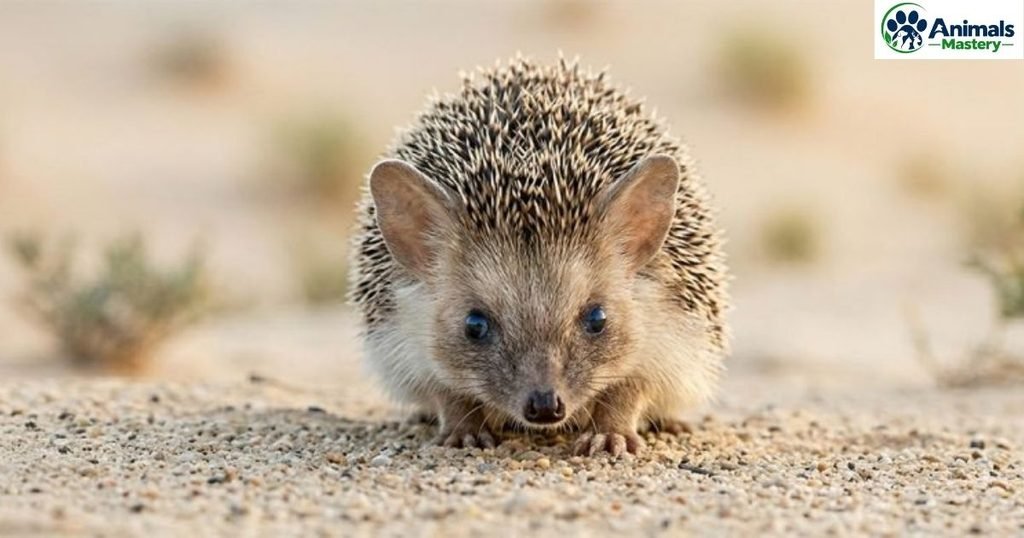
The quills serve not only as a defense mechanism but also facilitate social interactions, enabling the hedgehog to communicate emotions and sounds to mates or rivals. While often seen as mere weapons in popular culture, the long-eared hedgehog illustrates the complex interplay between appearance and function in nature.
While most people envision quills only as formidable spikes, the hedgehog showcases them as an evolutionary masterpiece, driven by the need to navigate a challenging environment.
Lesser Hedgehog Tenrec
- Scientific name: Echinops telfairi
- Class: Mammalia
- Diet: Omnivorous / Insectivorous
The lesser hedgehog tenrec stands out as a remarkable example of evolutionary adaptation. This enigmatic mammal hails from Madagascar and embraces a more unique quill structure. Its quills are not merely for defense; they serve as a multifaceted tool for communication, showcasing the intricate relationship between form and function in nature.

The quills of the lesser hedgehog tenrec are surprisingly versatile. They vibrate to detect subtle changes in their environment, allowing these small creatures to sense vibrations—a critical adaptation for navigating their dimly lit habitat.
This highlights how animals cleverly use their traits for more than survival, inviting us to recognize the intricate designs of nature. The lesser hedgehog tenrec exemplifies evolutionary creativity, with each quill symbolizing a tale of adaptation and endurance.
Cuban Solenodon
- Scientific name: Atopogale cubana
- Class: Mammalia
- Diet: Insectivorous / Carnivorous
The Cuban Solenodon, a small, nocturnal mammal often overlooked in discussions about spiny defenses. With a body resembling a shrew, it boasts a unique set of quills that serve as an evolutionary marvel. The Cuban Solenodon’s quills are softer and more hair-like, offering a surprising level of flexibility.
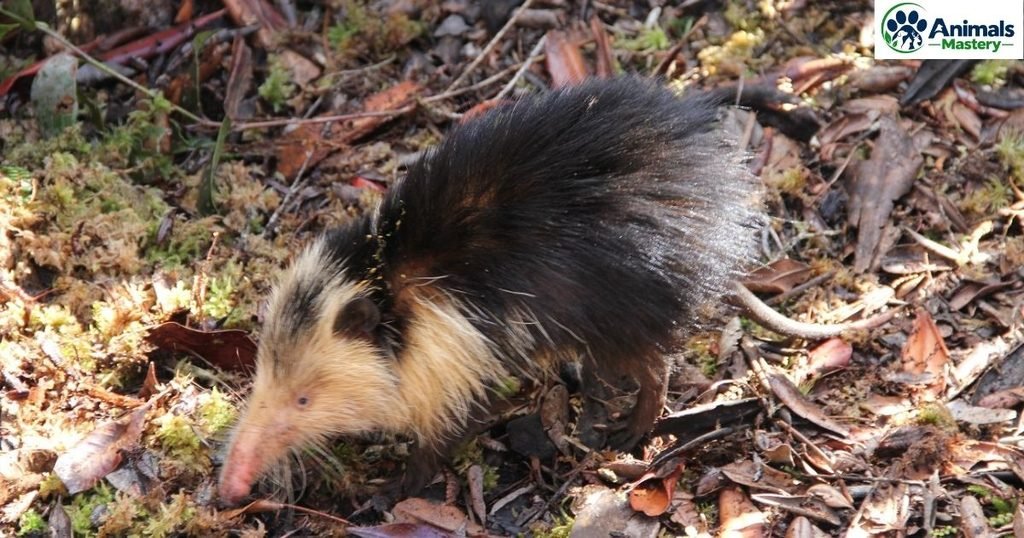
These adaptations provide minimal protection and play a role in communication, helping to convey messages within their social structures. The Cuban Solenodon, a relic from the age of dinosaurs, holds another treasure trove of secrets. Its quilled coat plays an ecological role, contributing to the diverse tapestry of species that inhabit its Caribbean ecosystem.
While its quills are not as fearsome as those of other prickly mammals, their unique texture and adaptability invite a deeper appreciation for the evolutionary narrative surrounding this endangered creature. Protecting the Cuban Solenodon and its habitat is crucial, as it represents both the fragility and resilience of biodiversity in an ever-changing world.
Incredible Animal Insights: Species, Features, and Predators to Discover
- Discover the top 17 thickest skin animals and the evolutionary reasons behind their armor-like protection. This guide breaks down each species with clear images and fascinating survival facts.
- Explore the most muscular animals in the world and the incredible strength they’ve evolved to survive. From raw power to agility, these species showcase nature’s engineering at its best. See detailed images and facts for all 19 animals.
- 15 animals like groundhogs, detailing their ecosystems and distinguishing features. It’s ideal for readers interested in comparing rodent behavior across different species.
- Article reveals 23 species of animals with long tails and the purposes their tails serve, from balance to communication. It includes detailed pictures and interesting facts for each.
- Discover 30 animals like weasels and the crucial roles they play in maintaining ecological balance. This guide dives into their traits, habitats, and lesser-known behaviors. A must-read for anyone fascinated by small predators.
- Learn about birds with long legs and how this adaptation helps them thrive in wetlands and open habitats. This detailed list covers 39 species with striking images and facts. Ideal for bird lovers and nature enthusiasts alike.
- Delves into the species recognized as the cleanest animals in the world, exploring their grooming habits and the ecological significance behind them. Updated for 2026 with fresh facts and images.
- From clever canids to unique wild species, this article rounds up 23 animals like foxes worth knowing about. Explore their traits, habitats, and striking appearances. A great read for fans of fox-like wildlife.
- This list covers 16 animals that eat mice, from snakes and owls to foxes and cats. See how each hunter approaches this common prey with images and insights.
Conclusions
Animals that have Quills demonstrate nature’s ingenuity in protection and survival. From the formidable porcupine to the charming hedgehog, these creatures have evolved extraordinary ways to safeguard themselves against threats.
Their quills showcase unique adaptations that support ecosystem balance. By understanding these fascinating creatures, we can enhance our appreciation for biodiversity. Let’s dedicate ourselves to protecting their habitats and promoting their welfare for future generations to enjoy.
FAQs
Can Porcupines Actually Shoot their Quills at Predators?
No, this is a common myth. Porcupine quills detach easily on contact, but they can’t be launched or thrown through the air like darts.
Are Hedgehog and Porcupine Quills the same Thing?
No, both are keratin-based but differ in structure. Hedgehog quills are shorter and defensive, while porcupine quills are longer, barbed, and can embed in skin.
Do Quills Grow back after they Fall out or are Used in Defense?
Yes, quills regrow over time, similar to how hair or fur regenerates. This allows animals like porcupines and hedgehogs to maintain their defenses throughout their lives.
Are Quilled Animals Dangerous to Humans or Pets?
They can be. While not venomous, quills can cause painful puncture wounds, and barbed types (like porcupine quills) may require veterinary removal if embedded deeply.
Why do some “Quilled” Animals like the Pufferfish or thorny Devil Lizard not have True Quills?
True, quills are modified hairs found only in mammals, so animals like the pufferfish or thorny devil lizard use spines or thorn-like skin structures instead. These serve a similar defensive purpose through convergent evolution.
What is the Purpose of Quills beyond Defense?
Quills often play roles in communication, courtship displays, and social signaling within a species. Some animals also use vocalizations or postures to convey warnings or health status to others.