
25 Fascinating Animals That Eat Bamboo (With Images)
You think pandas are the only bamboo enthusiasts, think again! Many animals depend on this resilient plant for their survival. We uncover 25 fascinating animals that eat bamboo, showcasing their unique adaptations and lifestyles.
Prepare to be amazed by the diversity of these creatures and understand why bamboo is more than just a snack for them; it’s a vital part of their existence.
List of Animals That Eat Bamboo
Here is the list of animals that eat bamboo:
- African elephant
- Guinea pig
- Bamboo rat
- Rabbit
- Powderpost beetle
- Bamboo partridge
- Giant panda
- Chimpanzee
- Mountain bongo
- Zebra
- Termite
- Red panda
- Gorilla
- Bamboo lemur
- Parrot
- Golden monkey
- Bamboo borer
- Bamboo worm
- Giraffe
- Sloth bear
- Sumatran Elephant
- Asiatic black bear
- Wild boar
- Bamboo shark
- Bamboo-eating caterpillar
African elephant
- Scientific Name: Loxodonta
- Class: Mammalia
- Diet: Herbivore
The African elephant, often overlooked, is drawn to bamboo’s nutrient-rich structure, which also attracts a variety of other animals. Adapted to the diverse ecosystems of Africa, these elephants consume bamboo in addition to their usual diet of grasses and leaves.
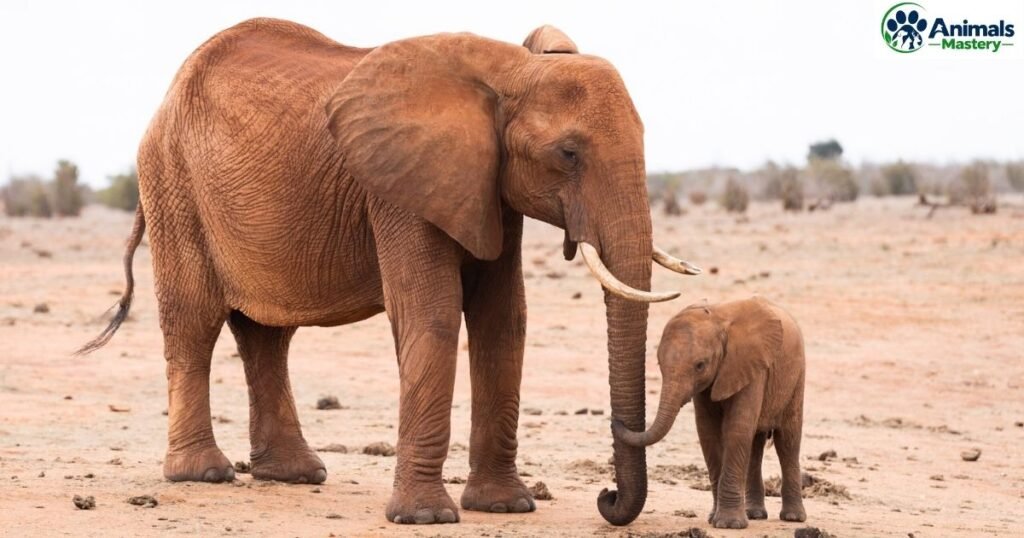
This unconventional dietary choice showcases their adaptability and reveals how different species can share habitats that abound with diverse plant life. The African elephant, for instance, plays a crucial role in maintaining the health of their environment by facilitating the growth of bamboo through their foraging behavior, which can stimulate new plant growth and contribute to ecological balance.
Guinea pig
- Scientific Name: Cavia porcellus
- Class: Mammalia
- Diet: Herbivore
Giant pandas are often associated with bamboo, yet this adaptable plant also sustains a diverse array of animals, including the humble guinea pig. While these small pets typically munch on hay and pellets, they can occasionally enjoy small amounts of bamboo as a treat, thanks to its fiber-rich stalks. This indulgence isn’t just a culinary adventure; it also enriches their diet and keeps them engaged, allowing them to exhibit natural foraging behavior.

Bamboo rat
- Scientific Name: Rhizomys
- Class: Mammalia
- Diet: Herbivore
The bamboo rat stands out with its unique adaptations. This small rodent, primarily found in Southeast Asia, has evolved to efficiently digest the tough, fibrous stalks of bamboo. The bamboo rat possesses specialized molars designed to grind down the hard plant material, allowing it to extract crucial nutrients while contributing to the ecosystem through its role in seed dispersal and soil aeration.
These subterranean dwellers create extensive tunnel systems beneath bamboo forests, which serve as their homes and enhance soil fertility by promoting aeration and drainage. The bamboo rat in its natural habitat allows us to appreciate the intricate relationships between plants and animals, underscoring how each species plays a vital role in maintaining ecological balance.
Rabbit
- Scientific Name: Oryctolagus cuniculus
- Class: Mammalia
- Diet: Herbivore
Rabbits have been known to nibble on bamboo shoots and leaves, benefiting from their high fiber content. While rabbits primarily favor tender greens, the quick growth of bamboo allows them to forage without fear of depleting their supply, making it an ideal addition to their diet when available.

The consumption of bamboo by rabbits highlights their opportunistic feeding behavior. These creatures will seek out diverse food sources to optimize their nutritional intake, balancing foraging time with nutritional benefits. This adaptability demonstrates their resilience in changing habitats, where bamboo stands might even offer shelter, camouflage, and a reliable food source.
Powderpost beetle
- Scientific Name: Lyctinae
- Class: Insecta
- Diet: Herbivore / Xylophage
The powderpost beetle has developed a unique relationship with bamboo. These beetles thrive in the hollow stalks of bamboo, where they lay their eggs. The larvae feed on the soft inner fibers, playing a crucial role in the decomposition process.
This relationship showcases nature’s intricate web and highlights how even the most unassuming creatures can contribute to bamboo’s life cycle. These agile climbers face threats from habitat loss, prompting conservationists to focus on preserving bamboo forests.
This duality of being adorable yet endangered emphasizes the complex dynamics between species and their habitats, reminding us that our actions directly influence the survival of these charming creatures and their bamboo-filled homes.
Bamboo partridge
- Scientific Name: Bambusicola thoracicus
- Class: Aves
- Diet: Omnivore
The bamboo partridge, a small, ground-dwelling bird native to Southeast Asia, has a unique relationship with bamboo that extends beyond mere sustenance. While many associate bamboo primarily with its role as food for giant pandas, the bamboo partridge thrives in dense bamboo forests, where it finds both refuge and nourishment.
This bird is an opportunistic forager, adept at locating seeds and tender shoots within its leafy habitat. Its diet is not limited to bamboo; it also includes various insects, which play a vital role in its reproductive success, as protein-rich diets enhance chick development.
Certain species of bamboo bloom and subsequently die back; the partridge’s nesting timings align to ensure that the young chicks have access to ample food resources. This unique ecological relationship illustrates the intricate balance between flora and fauna, showcasing how a seemingly simple dietary choice can have profound implications on reproductive strategies and survival.
Giant panda
- Scientific Name: Ailuropoda melanoleuca
- Class: Mammalia
- Diet: Herbivore (Taxonomically Carnivora)
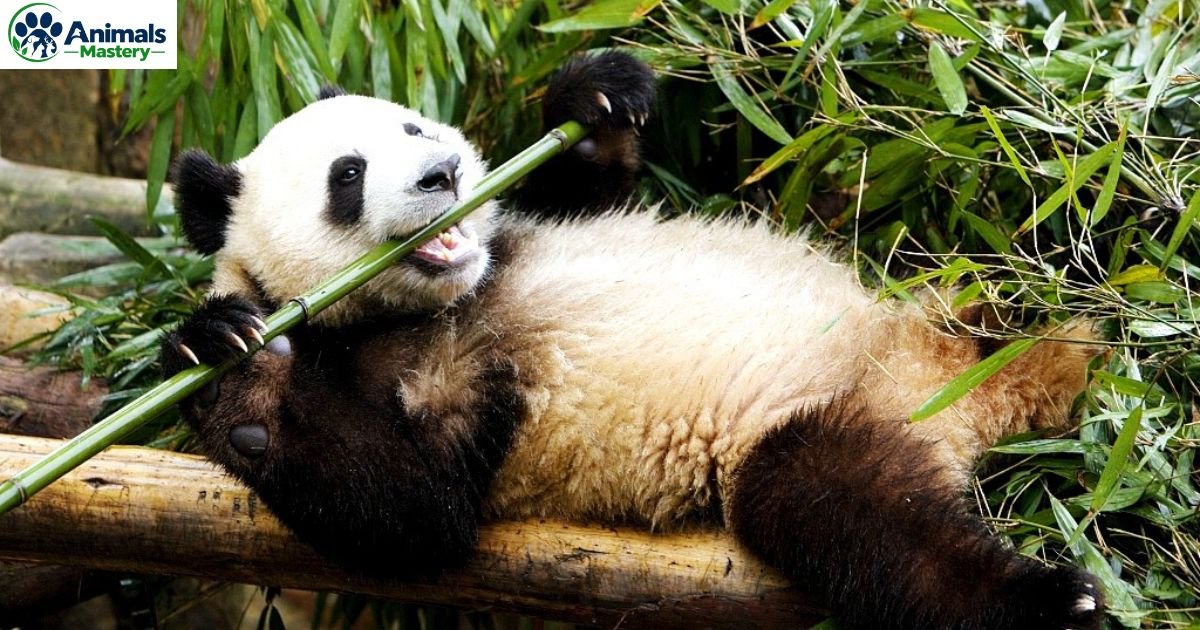
The giant panda is often the most recognized bamboo enthusiast, but it’s fascinating to realize how specialized their diet is. These remarkable creatures can consume up to 40 pounds of bamboo daily, relying primarily on the plant’s leaves and shoots as their main source of nutrition.
How their digestive systems, though resembling those of carnivores, have adapted to extract nutrients from this fibrous food. This dependence on bamboo shapes their eating habits and influences their habitat choices, leading them to reside in mountainous regions of China where bamboo thrives.
The giant panda isn’t alone in its bamboo buffet. This highlights an interesting ecological dynamic: as different species share this niche, their evolving traits showcase the diversity of adaptations in response to a singular resource. The survival intricacies of these bamboo-loving animals serve as a reminder of the delicate balance within ecosystems and the importance of preserving their habitats.
Chimpanzee
- Scientific Name: Pan troglodytes
- Class: Mammalia
- Diet: Omnivore
The chimpanzees also incorporate this versatile plant into their diets in fascinating ways. While chimps are omnivorous by nature, studies indicate that they occasionally gnaw on bamboo shoots, especially in regions where this resource is abundant. Chimpanzees exhibit a more opportunistic approach, showcasing their adaptability in foraging.
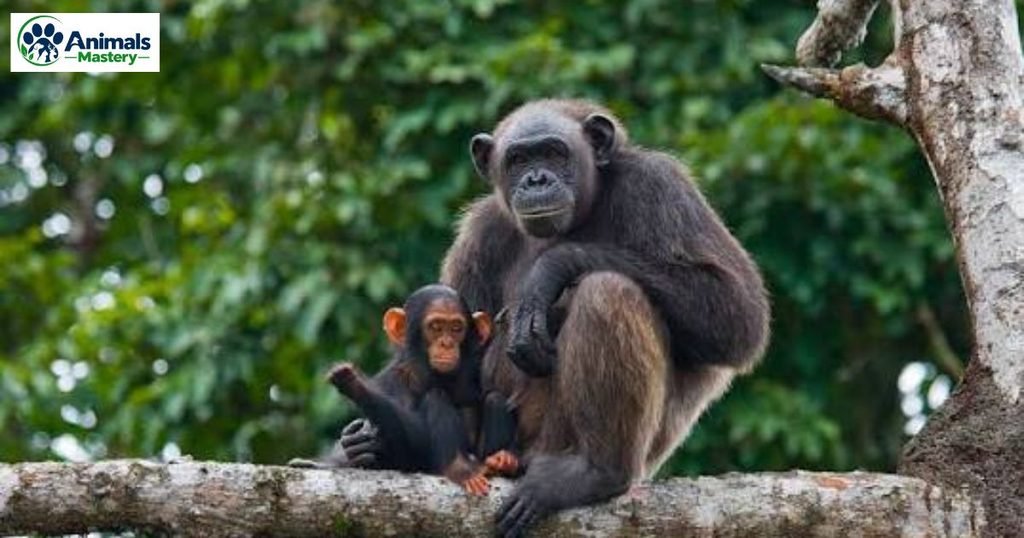
When they discover a bamboo grove, it often becomes a social event, with groups gathering to indulge in this fibrous delicacy. This behavior highlights their dietary flexibility and emphasizes the importance of communal foraging in their social structures.
Mountain bongo
- Scientific Name: Tragelaphus eurycerus isaaci
- Class: Mammalia
- Diet: Herbivore
The mountain bongo stands out for its striking appearance and for its unique dietary habits. Found in the dense, misty forests of East Africa, this elusive antelope has adapted to navigate the tangled underbrush where bamboo thrives.
The Mountain Bongo has specialized teeth and a flexible digestive system that allow it to efficiently break down the tough fibers of bamboo, extracting vital nutrients that are often lost on less adept foragers. This dietary preference reflects a fascinating symbiosis with its environment, as the Mountain Bongo plays a crucial role in maintaining the health of its forest ecosystem.
By feeding on bamboo, it helps control the plant’s growth, preventing overgrowth that could lead to habitat loss for numerous species. Their selective feeding promotes biodiversity, allowing other flora to flourish in a balanced environment.
Zebra
- Scientific Name: Equus quagga
- Class: Mammalia
- Diet: Herbivore
Zebras share an intriguing relationship with vegetation akin to bamboo. Though they don’t consume bamboo per se, their grazing habits revolve around a diverse range of grasses that can be just as complex and vital to their habitat. This dietary flexibility allows them to thrive in various environments, showcasing an adaptive resilience that mirrors those species that exclusively rely on bamboo.
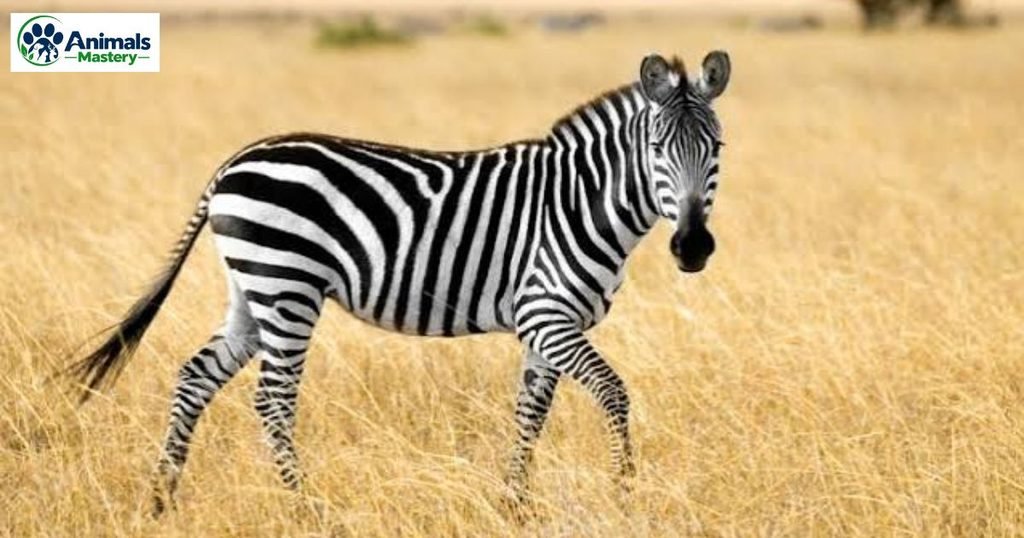
The grazing patterns of zebras promote a healthier ecosystem for the flora around them. Their ability to efficiently consume and manage grass prevents overgrowth, allowing for other plants, including potential bamboo species, to flourish in their wake.
This symbiotic relationship of zebras plays a crucial role in maintaining ecological balance, challenging the stereotype that only specialized herbivores can have a significant impact on their environment.
Termite
- Scientific Name: Isoptera
- Class: Insecta
- Diet: Herbivore / Xylophage
Termites also play a crucial role in the bamboo ecosystem. These tiny architects feast on decaying bamboo, breaking it down into nutrients that enrich the soil. This symbiotic relationship helps sustain entire bamboo forests, showcasing the interconnectedness of life in these unique habitats.
This process ensures the bamboo can continue to flourish and sustain diverse wildlife. Understanding the role of lesser-known bamboo consumers, like termites, illuminates the complexities of ecological balance and the importance of preserving habitats that are often overlooked.
Red panda
- Scientific Name: Ailurus fulgens
- Class: Mammalia
- Diet: Herbivore (Taxonomically Carnivora)
The red panda, a charming creature that captivates with its playful demeanor and striking appearance. The red panda possesses a more dexterous approach to dining, using its flexible wrists to grasp bamboo stalks with remarkable agility.
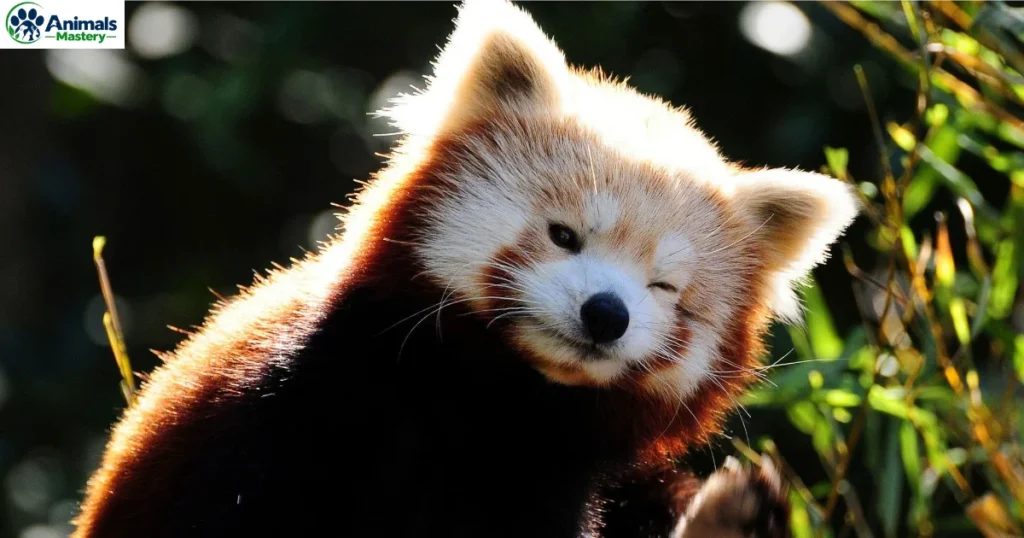
While bamboo makes up 95% of its diet, the red panda’s unique digestive system is still adapted for a carnivorous diet, which means it needs to consume large quantities every day to meet its nutritional needs. This duality illustrates nature’s ingenuity, showcasing how evolution can create specialized feeding habits even within carnivorous animals.
Red pandas play a crucial role in their ecosystem despite their seemingly singular diet. The rippling effects of their presence extend to the many other species that rely on bamboo for survival. As they navigate the dense forests, their foraging habits can even facilitate the dispersal of seeds and nutrients, demonstrating that every nibble contributes to a richer environment.
Gorilla
- Scientific Name: Gorilla gorilla
- Class: Mammalia
- Diet: Herbivore
Gorillas, often associated with their formidable strength and intelligence, have a surprisingly delicate relationship with bamboo. While they are primarily known to feast on leaves, stems, and fruits, certain species of gorillas have developed a taste for young bamboo shoots.
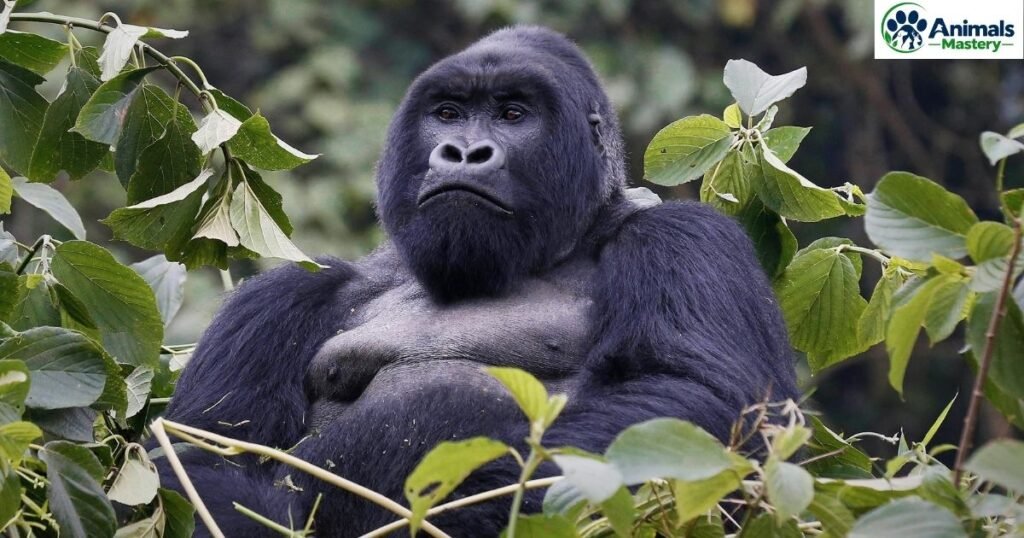
This dietary choice showcases their adaptability and highlights the intricate balance within their habitats. By selecting tender bamboo, gorillas help in the natural pruning of the vegetation, which can lead to healthier growth and biodiversity in their ecosystem.
During feeding times, they often engage in playful interactions, using bamboo stems as tools or toys, fostering stronger social connections within their troops. In a world facing rapid environmental changes, understanding the gorilla’s relationship with bamboo can serve as a reminder of the delicate interdependence between species and their ecosystems.
Bamboo lemur
- Scientific Name: Hapalemur
- Class: Mammalia
- Diet: Herbivore
The bamboo lemur, an extraordinary primate native to Madagascar, has a fascinating relationship with its primary food source. That merely grazes on bamboo; the bamboo lemur thrives on this plant’s tough, fibrous stalks thanks to an impressive ability to detoxify the cyanide present in certain bamboo species.
This unique adaptation showcases the lemur’s evolutionary prowess and underlines the importance of biodiversity and specialization in ecosystems. Bamboo lemurs are a prime example of how species can evolve to fill ecological niches. Their choice of diet allows them to occupy a specific role in their habitat, effectively reducing competition with other herbivores that may prefer less fibrous vegetation.
This specialization raises intriguing questions about how climate change and habitat destruction might impact their survival, given their reliance on bamboo. As we seek to understand these remarkable creatures, the case of the bamboo lemur serves as a vital reminder of the interconnectedness of species and the delicate balance of their environments.
Parrot
- Scientific Name: Psittaciformes
- Class: Aves
- Diet: Herbivore / Omnivore
The parrot, particularly certain species found in the rainforests of South America, where bamboo grows abundantly. These intelligent birds utilize young bamboo shoots and leaves as a food source and as a habitat for nesting and shelter. The fibrous texture of bamboo helps wear down their beaks, a vital aspect of maintaining their health and well-being.
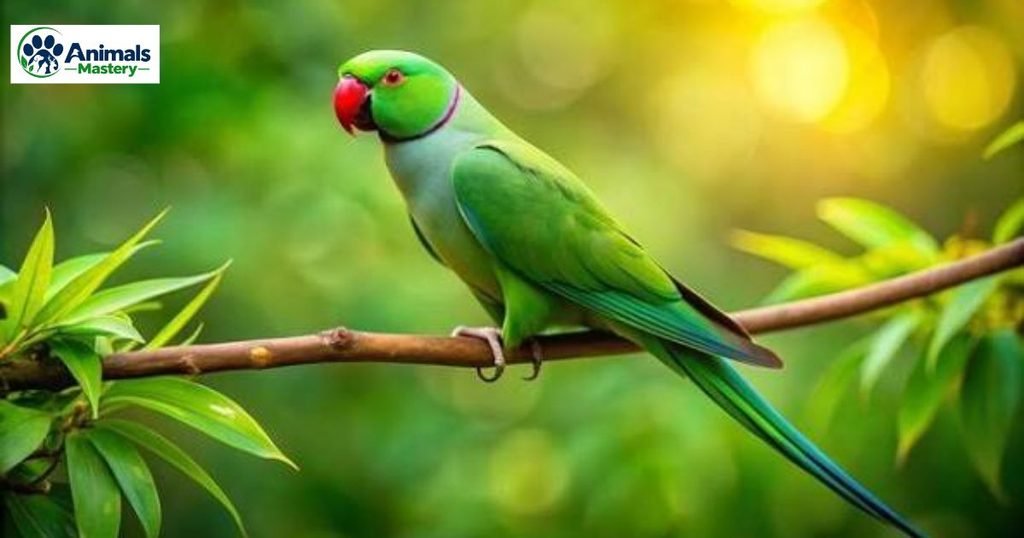
Despite their vibrant plumage and playful antics, these parrots are vital to the ecosystem. As they consume bamboo, they help in seed dispersal, contributing to the growth and regeneration of these fast-growing plants. The interconnectedness of wildlife: the vibrant parrots thrive on bamboo, while bamboo benefits from their role as nature’s gardeners.
Golden monkey
- Scientific Name: Cercopithecus kandti
- Class: Mammalia
- Diet: Herbivore
The golden monkey stands out as a remarkable example of adaptation in its native habitat of China’s mountainous forests. These vibrant primates, also known as the Sichuan golden monkey, have developed a taste for bamboo but a fascinating social structure that revolves around foraging and feeding.
Their unique diet consists mainly of the tender shoots and leaves of bamboo, which are plentiful in their environment but require them to be highly selective to maximize nutritional intake.
While bamboo is a primary food source, its rapid growth can sometimes outcompete other plant species, making the golden monkey a crucial player in maintaining ecological stability. Their social interactions during feeding strengthen group bonds and contribute to the overall resilience of the species, emphasizing the interconnectedness of life within these lush forests.
Bamboo borer
- Scientific Name: Dinoderus minutus
- Class: Insecta
- Diet: Herbivore / Xylophage
The bamboo borer, a type of beetle, plays a crucial role in the ecosystem by breaking down bamboo and aiding in its regeneration. While this insect is certainly less celebrated than its larger counterparts, its impact on bamboo forests can’t be overlooked.
As these borer beetles munch their way through bamboo stalks, they create hollowed spaces that provide habitats for other organisms, thus fostering a vibrant community within the forest. The presence of these creatures can be an indicator of a healthy bamboo ecosystem, highlighting the interconnectedness between species and their habitat.
Bamboo worm
- Scientific Name: Omphisa fuscidentalis
- Class: Insecta
- Diet: Herbivore
In the dense forests of Asia, the bamboo worm stands as a testament to nature’s ingenuity. These wriggly larvae, often found munching on bamboo, have adapted to thrive in an ecosystem dominated by this tall grass.
Their diet is a survival tactic and plays a vital role in nutrient cycling. By breaking down bamboo, these worms facilitate the decomposition process, enriching the soil and supporting the growth of other plant species.
Bamboo worms are not just ecological powerhouses; they are also becoming a culinary delicacy in many regions. Rich in protein and healthy fats, they are often included in traditional dishes, presenting a sustainable alternative to meat.
Giraffe
- Scientific Name: Giraffa camelopardalis
- Class: Mammalia
- Diet: Herbivore
Giraffes, with their long necks, can reach high into trees, giving them access to not just leaves and the tender shoots of bamboo. This adaptability allows them to thrive in varied environments, showcasing their diet’s flexibility.
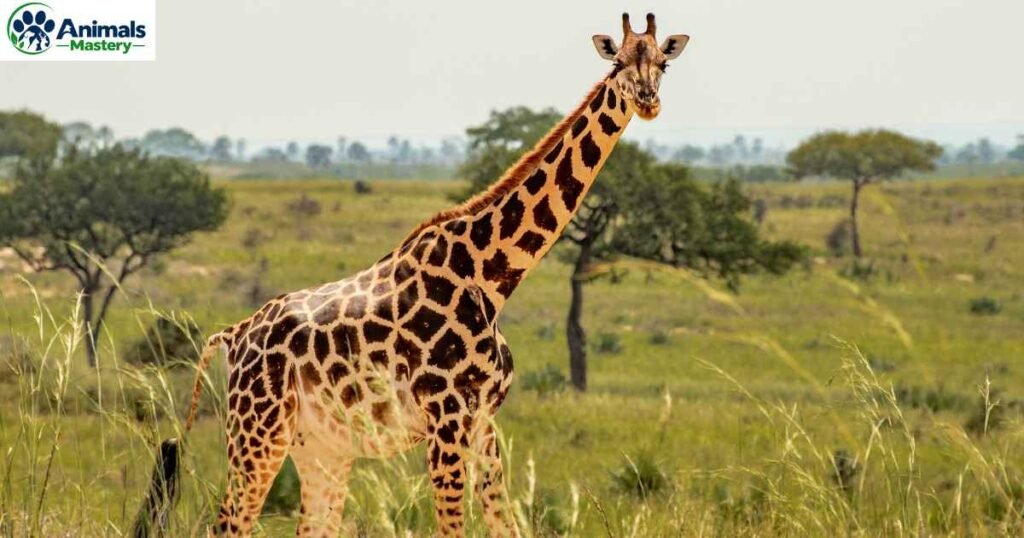
Bamboo’s rapid growth and resilience make it an excellent food source during harsh seasons, promoting a sustainable ecosystem that nourishes giraffes and other wildlife. This symbiotic relationship highlights nature’s intricate web, where each species plays a vital role in maintaining balance.
Sloth bear
- Scientific Name: Melursus ursinus
- Class: Mammalia
- Diet: Omnivore / Insectivore
The sloth bear, often overlooked in discussions about bamboo-eating mammals, presents a fascinating case of adaptation in the wild. Sloth bears have developed a unique foraging technique that highlights their specialized diet.
With strong, curved claws designed for digging, these bears skillfully extract bamboo shoots and rhizomes from the ground, showcasing not just their strength and their keen sense of location for the most nutrient-rich parts of the plant.
Beyond their bamboo-centric diet, sloth bears play a crucial role in their ecosystem. By feeding on bamboo, they help regulate its growth, ensuring that forest habitats remain balanced and diverse. Their foraging habits also create opportunities for other species; the holes they dig for bamboo often serve as shelters for smaller animals.
Sumatran Elephant
- Scientific Name: Elephas maximus sumatranus
- Class: Mammalia
- Diet: Herbivore
The Sumatran elephant, a subspecies of the Asian elephant, plays a surprising role in the ecosystem surrounding bamboo forests. The Sumatran elephant also incorporates this resilient plant into its diet. These gentle giants use their impressive trunks to uproot bamboo shoots, which provides them with sustenance and helps maintain the health of their habitat.
The Sumatran elephant’s diet is a fascinating study in adaptability. In the face of habitat loss due to agricultural expansion, they have learned to forage for bamboo in fragmented landscapes, showcasing their resilience and intelligence.
This ability to adjust to changing environments highlights the interconnectedness of species; as the elephant nurtures the bamboo, it in turn supports various other species within the ecosystem.
Asiatic black bear
- Scientific Name: Ursus thibetanus
- Class: Mammalia
- Diet: Omnivore
The Asiatic black bear, known for its striking black coat and distinctive white blaze, plays an intriguing role in the bamboo ecosystems of Asia. These omnivorous bears also enjoy a substantial amount of this fibrous plant. Their adaptability allows them to exploit bamboo during peak growth seasons, feasting on the tender shoots and leaves, which are abundant and provide essential nutrients.
Rather than simply consuming bamboo, these bears use their powerful claws to strip leaves from stalks, exhibiting a level of dexterity and intelligence often overlooked. This interaction sustains their individual health and contributes to the health of their habitat, as it paves the way for new growth in bamboo groves.
Wild boar
- Scientific Name: Sus scrofa
- Class: Mammalia
- Diet: Omnivore
The wild boar, often associated with temperate forests and grasslands, surprisingly shares a unique relationship with bamboo, especially in regions where this robust grass flourishes. While they’re typically known for their omnivorous diet, wild boars can be seen foraging among dense bamboo thickets, nibbling on the succulent shoots and leaves.
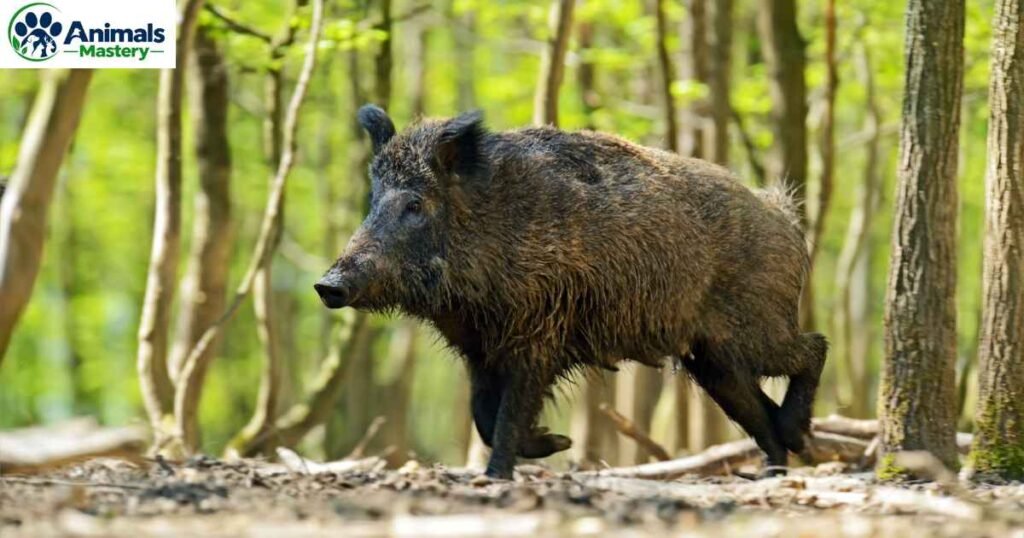
This behavior underscores their adaptability and showcases an often-overlooked interaction within the ecosystem. The role of wild boars in bamboo forests extends beyond mere consumption. As they root around for food, they inadvertently help with seed dispersal and soil aeration, contributing to healthier bamboo growth and forest regeneration.
Their foraging can also create microhabitats for other species, demonstrating how interconnected wildlife truly is. The wild boar isn’t just a passerby in the bamboo landscape; it’s an active participant in shaping its environment, enhancing the biodiversity that thrives within these unique ecosystems.
Bamboo shark
- Scientific Name: Chiloscyllium
- Class: Chondrichthyes
- Diet: Carnivore
The bamboo shark, a fascinating inhabitant of the ocean’s depths. The bamboo shark showcases the surprising adaptability of nature. This small shark, part of the family of carpet sharks, primarily resides in the warm waters of the Indo-Pacific.
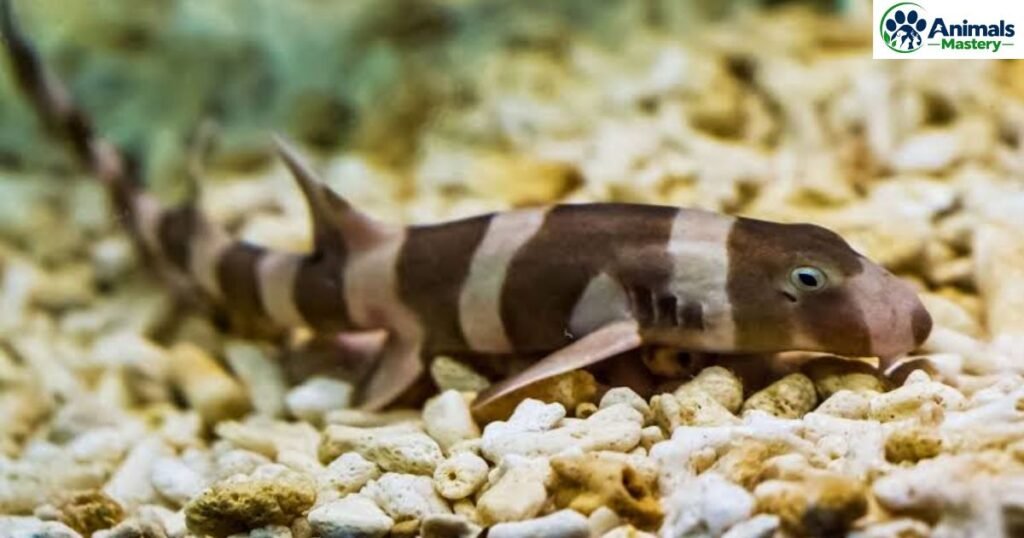
Although not a strict herbivore, it often seeks out the structures of coral and other marine life that thrive amongst bamboo-like formations in its habitat. The bamboo shark employs a variety of strategies to make the most of its environment.
Its slender body allows it to navigate through the complex underwater ecosystems where bamboo coral flourishes. It relies on sensory organs to detect prey hidden among the intricate crevices, displaying a clever form of hunting that contrasts sharply with the static diet of its bamboo namesake.
Bamboo-eating caterpillar
- Scientific Name: Cyana spp. / Omphisa fuscidentalis
- Class: Insecta
- Diet: Herbivore
The bamboo-eating caterpillars, their larvae, thrive in bamboo forests, consuming enormous amounts of foliage that most animals can’t digest. Their specialized gut bacteria enable them to break down the tough fibers of bamboo, turning a seemingly unappetizing plant into vital nourishment.
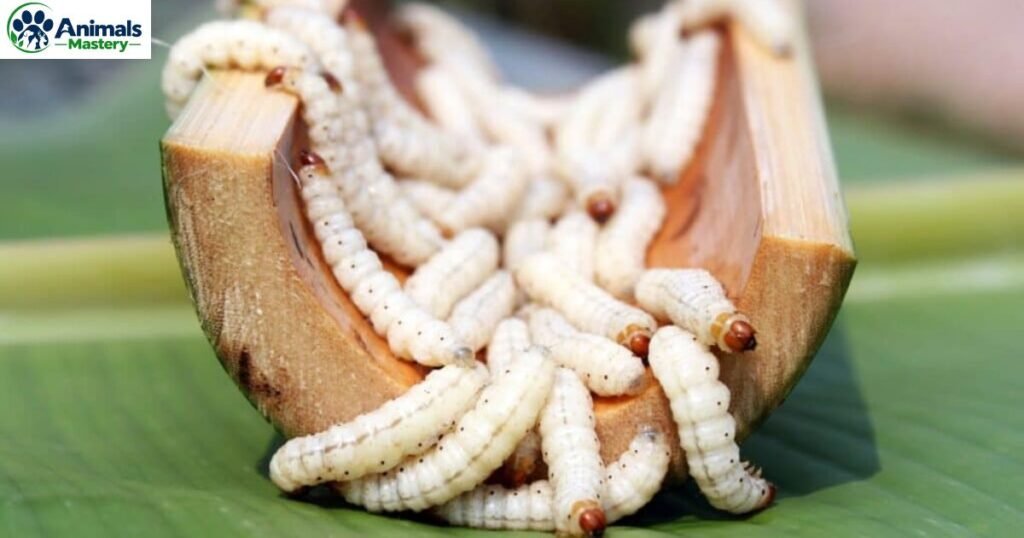
These caterpillars help control bamboo populations and serve as a critical food source for birds and other predators. This delicate balance highlights an intriguing interdependence within the forest that often goes unnoticed. Once they metamorphose into moths’ life cycle, they continue the cycle, promoting pollination and supporting biodiversity in their habitat.
Explore More Fascinating Creatures
- Scavenger birds feed on carrion and animal remains, playing a vital role in cleaning up ecosystems and limiting the spread of disease. This guide covers over 20 scavenger birds from around the world, from vultures and condors to lesser-known species, with details on their habitats and feeding habits.
- Animals that walk on two legs rely on bipedal movement for balance, speed, or freeing up their front limbs. This guide covers 18 bipedal species, from birds to primates, with facts on how each one gets around.
- Thickest skin animals rely on dense, armor-like hides for protection against predators, harsh environments, or combat with rivals. This guide covers 17 animals with the toughest skin, from elephants to lesser-known species, and how it helps them survive.
- Animals like groundhogs share that same stocky, burrowing build and ground-dwelling lifestyle. This guide covers 15 groundhog-like species, from close relatives to look-alikes, with facts on their habitats and behavior.
- Animals like weasels share that same long, low-slung body and quick, agile hunting style suited for tight spaces. This guide covers 30 weasel-like species, from close mustelid relatives to look-alikes, with facts on their habitats and behavior.
- Cleanest animals in the world go beyond basic grooming, using behaviors like mutual grooming, dust baths, and even tool use to stay free of parasites and dirt. This guide covers 15 of the cleanest species for 2026, with facts on the habits that keep them spotless.
- Animals that eat mice range from aerial hunters like owls and hawks to ground predators like foxes, snakes, and cats. This guide covers 16 mouse predators with images and facts on their hunting methods and habitats.
Final Thoughts Along Animals That Eat Bamboo
The animals that eat bamboo, such as the red panda, holds an intriguing place in biodiversity. Their specialized diet highlights the intricacies of evolutionary adaptation and the importance of preserving their habitats.
As threats to their survival continue to mount, it is imperative that we take action to safeguard their future. By promoting sustainable practices and supporting conservation programs, we can contribute to the protection of these remarkable creatures. We help to ensure that future generations can enjoy the beauty and wonder of bamboo-eating animals.
FAQs
Why do some animals eat bamboo?
Bamboo is a highly nutritious food source for certain animals, providing essential fibers and nutrients.
Are all species of bamboo edible to animals?
Not all bamboo species are edible; some can be toxic to animals. Only certain species are safe for consumption.
Do bamboo-eating animals have special adaptations?
Yes, many bamboo-eating animals, like pandas, have strong jaw muscles and specialized teeth to help break down tough bamboo stalks.
Can bamboo pose health risks to animals?
In large quantities, bamboo can lead to digestive issues in some animals, especially if it’s not a part of their natural diet.
Is bamboo sustainable as a food source for animals?
Yes, bamboo grows quickly and regenerates easily, making it a sustainable food source when managed.