23 Amazing Animals That Start With E (Facts and Pictures)
Some of the most extraordinary creatures on our planet start with the letter ‘E’. From the majestic elephants that roam the savanna to the enigmatic echidnas hiding in the underbrush, this article uncovers 23 amazing animals that start with E.
Understanding these unique species not only enriches your knowledge but also highlights the incredible diversity of wildlife around us. Prepare to be amazed by fascinating facts and stunning pictures that will introduce you to a side of the animal kingdom you might not have known about!
List of Animals That Start With E
Below is the list of animals that start with E:
- Eastern Diamondback Rattlesnake
- Edible Frog
- European Hedgehog
- Elk
- Emperor Penguin
- Elephant Shrew
- European Badger
- Eurasian Nuthatch
- Eastern Box Turtle
- Emu
- Eastern Kingbird
- Eastern Screech Owl
- Elephant Seal
- Echidna
- Egyptian Vulture
- European Starling
- Eland
- Eurasian Lynx
- Electric Eel
- Eastern Coral Snake
- Elephant
- European Eel
- Ethiopian Wolf
Eastern Diamondback Rattlesnake
- Scientific Name: Crotalus adamanteus
- Family: Viperidae
- Class: Reptilia
- Diet: Carnivore, eats small mammals and birds
The Eastern Diamondback Rattlesnake, known for its striking diamond pattern, is a master of camouflage in the southeastern United States. This venomous snake does more than just hide among the leaves and logs; its distinctive markings serve as both a defense mechanism and an effective hunting strategy.
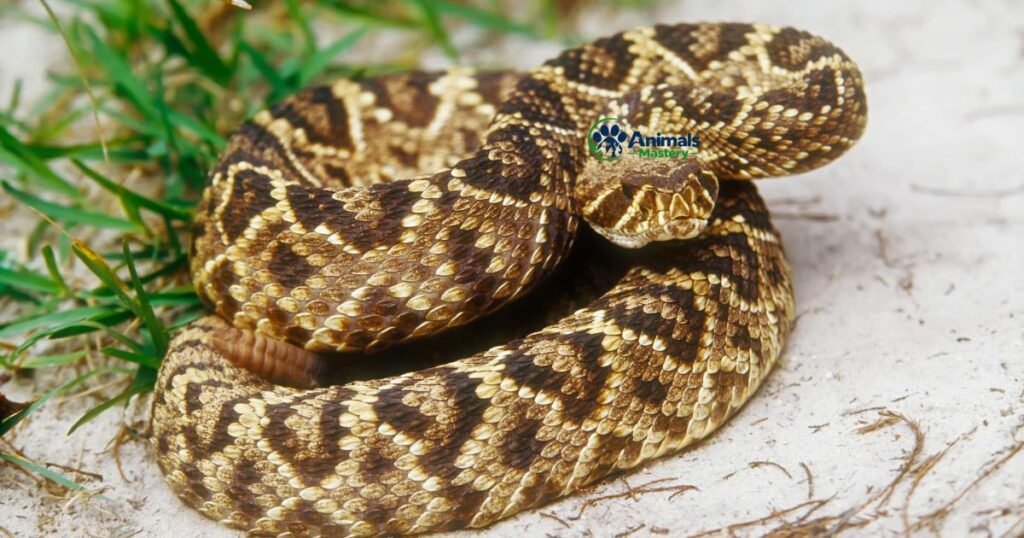
The diamond pattern allows it to blend seamlessly with the surrounding environment, making it nearly invisible to both predators and unsuspecting prey.
During the mating season, the Eastern Diamondback reveals a fascinating aspect of its behavior. Males engage in elaborate courtship rituals, which include intricate displays of dominance often involving wrestling matches.
These encounters not only showcase their strength but also establish dominance before mating occurs. This unique behavior highlights the complexity of their social interactions and raises intriguing questions about the evolution of such displays in the animal kingdom.
Edible Frog
- Scientific Name: Pelophylax kl. esculentus
- Family: Ranidae
- Class: Amphibia
- Diet: Carnivore, eats insects, worms, and small invertebrates
The Edible Frog thrives in freshwater habitats across Europe, where it has perfected the art of survival. With its remarkable camouflage, the Edible Frog blends seamlessly into its surroundings, making it a fascinating subject for both naturalists and culinary enthusiasts.
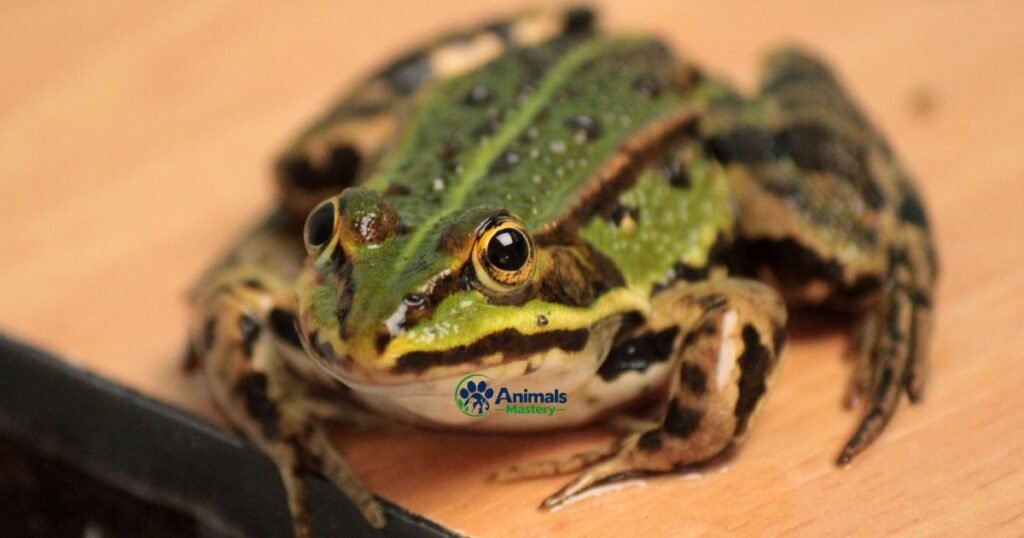
Its mottled green and brown skin allows it to remain virtually invisible amongst reeds and lily pads, protecting it from predators while showcasing nature’s design prowess.
Beyond its striking appearance and clever concealment strategies, the Edible Frog’s impressive jumping ability is a marvel. With powerful hind legs that enable impressive leaps, it can escape threats quickly and traverse aquatic landscapes with ease.
This agility not only plays a role in its survival but also highlights the intricate balance of ecosystems, where every creature, big or small, contributes to the health of their environment.
European Hedgehog
- Scientific Name: Erinaceus europaeus
- Family: Erinaceidae
- Class: Mammalia
- Diet: Omnivore, eats insects, worms, slugs, and occasionally fruit
The European Hedgehog, often seen as a charming nocturnal wanderer, plays a vital role in natural pest control. Known for their spiky armor, these creatures feast predominantly on insects, slugs, and various pests that threaten gardens and crops.
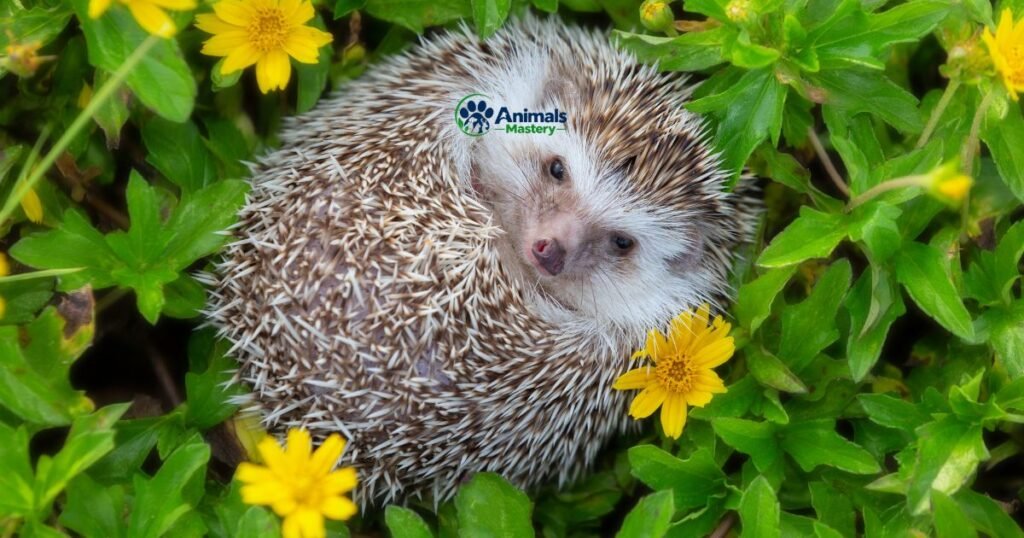
This natural method of pest management not only reduces the need for chemical interventions but also supports a healthier ecosystem, showcasing the importance of biodiversity in urban and rural settings alike.
As winter approaches, the European Hedgehog enters a state of hibernation, seeking refuge in dense underbrush or burrows. This critical period allows them to conserve energy and survive harsh weather conditions.
Habitat loss due to development and declining food sources poses significant risks to their population. Conservation efforts are essential in preserving their habitats. promoting native plants and creating hedgehog-friendly gardens can make a substantial difference.
Elk
- Scientific Name: Cervus canadensis
- Family: Cervidae
- Class: Mammalia
- Diet: Herbivore, feeds on grasses, shrubs, and bark
Elk are truly fascinating creatures, especially when observing their social behavior during the rut season. During this time, male elk, or bulls, showcase their impressive antlers in a dramatic display of dominance.
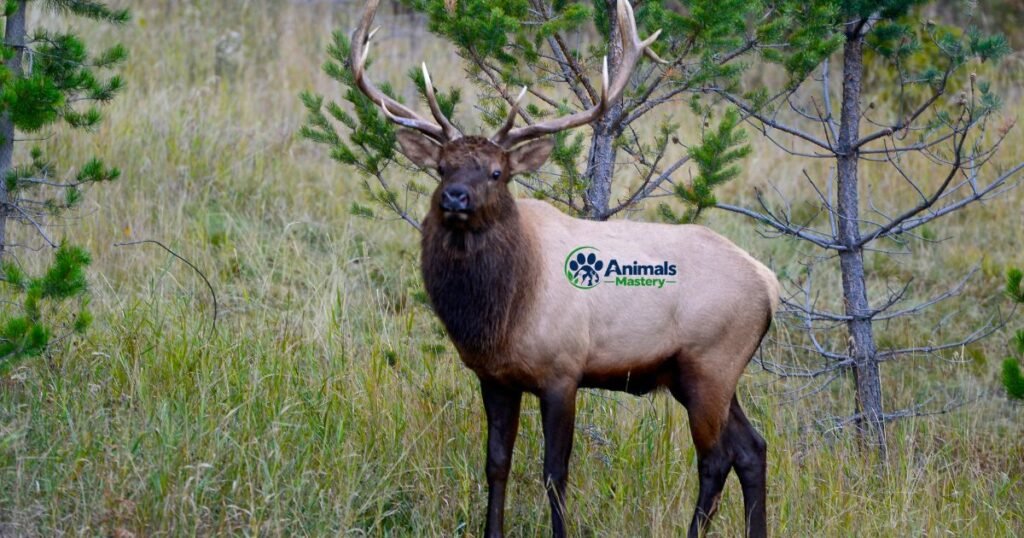
These formidable structures not only serve as a visual spectacle but also play a critical role in the intricate hierarchy of elk society, where size and strength can determine mating success. As the bulls engage in vocalizations and sparring matches, their interactions reveal a complex communication system that underlines their social structures.
When it comes to grazing habits, elk exhibit a remarkable adaptability that allows them to thrive in various environments. They are selective feeders, often choosing the most nutritious grasses and plants, which aids in maintaining their health and vigor during the harsher months.
This selective grazing has ecological benefits, impacting plant communities and even aiding in the growth of new vegetation, creating balanced ecosystems.
Emperor Penguin
- Scientific Name: Aptenodytes forsteri
- Family: Spheniscidae
- Class: Aves
- Diet: Carnivore, eats fish, squid, and krill
The Emperor Penguin is a remarkable testament to nature’s ingenuity, showcasing extraordinary adaptations that allow it to thrive in the harshest environments on Earth. Nestled in the frigid Antarctic, these resilient birds have evolved behaviors that are pivotal for their survival.
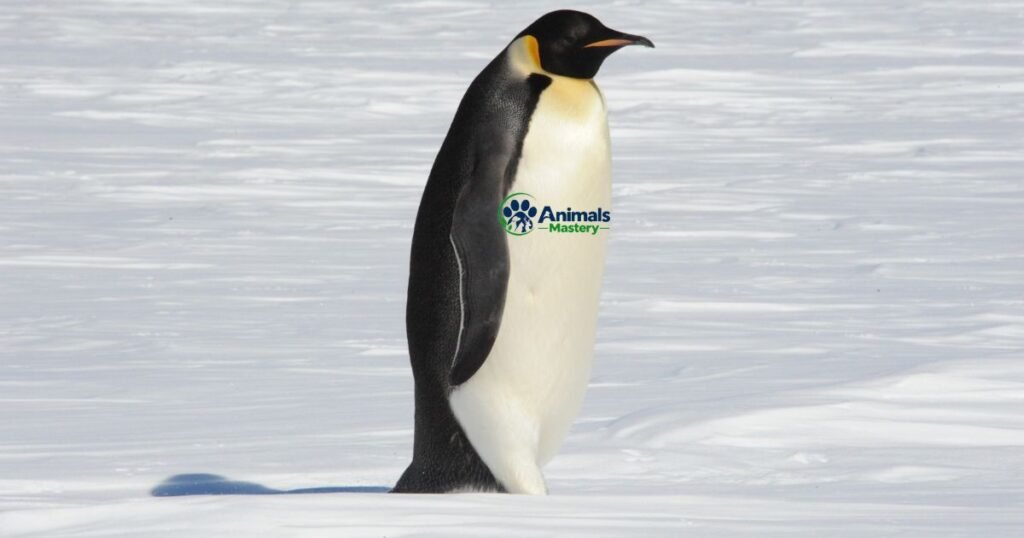
During the relentless winter months, male Emperor Penguins undertake a unique role in the egg incubation process. Their feet, which serve as an incubation platform here, are also webbed for swimming, placing them among the many animals with webbed feet built for life in the water. After the female lays a single egg, she transfers it to the male, who carefully balances it on his feet, covering it with a flap of skin for warmth.
The colony dynamics of Emperor Penguins further enhance their chances of endurance against the brutal conditions. Huddling together in tightly packed formations, they create microenvironments that help shield their young from the biting winds and freezing temperatures. Parental care extends beyond just nurturing the egg; it involves a cooperative effort, with adults often taking turns to hunt and feed, ensuring the health of both fledglings and themselves.
This collective vigilance transforms the colony into a thriving unit, epitomizing the balance between individual needs and communal responsibilities.
Elephant Shrew
- Scientific Name: Macroscelides proboscideus
- Family: Macroscelididae
- Class: Mammalia
- Diet: Omnivore, eats insects, small invertebrates, and plant matter
The Elephant Shrew, despite its name, bears no relation to elephants; rather, it’s a fascinating African mammal that showcases extraordinary speed and agility. Characterized by its elongated snout and mouse-like appearance, this creature is a master of evasion, darting through the underbrush with remarkable dexterity.
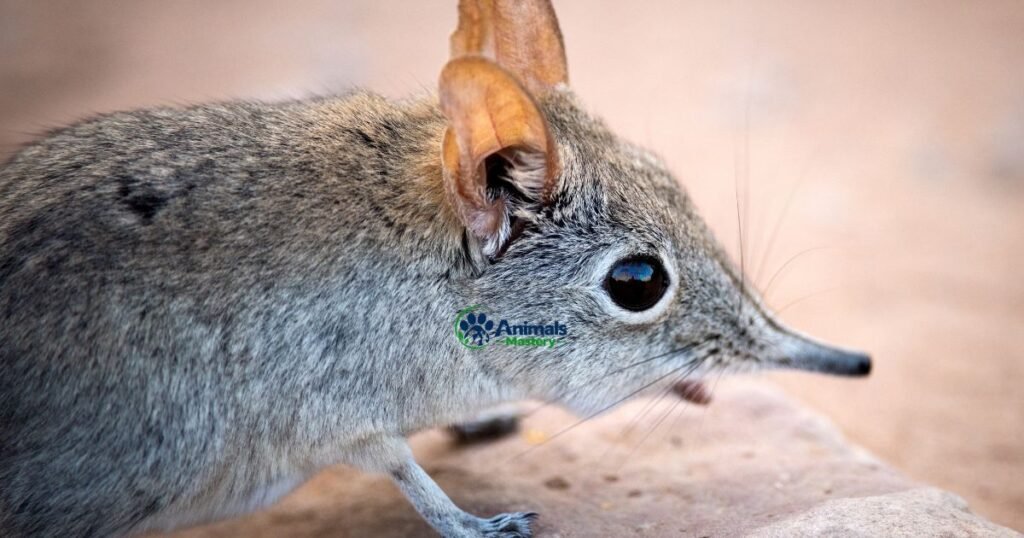
This ability is more than just a party trick; it’s a crucial survival tool that helps it navigate the complex habitats of Africa, where predators lurk in the shadows.
These shrews are not just quick on their feet; they also exhibit a fascinating social structure. While many of their nocturnal counterparts prefer solitude, Elephant Shrews can be observed engaging in playful interactions, adding a layer of complexity to their behavior that you wouldn’t typically expect from such a small creature.
Their remarkable agility allows them to escape threats with quick, zigzagging movements, showcasing their instinctual skills honed over millions of years.
European Badger
- Scientific Name: Meles meles
- Family: Mustelidae
- Class: Mammalia
- Diet: Omnivore, eats earthworms, insects, small mammals, and fruit
The European badger, often hidden beneath the serene layers of forest floor, plays a pivotal role in its habitat as a master ecosystem engineer. Its underground sets are elaborate structures that provide refuge not only for itself but also for myriad other species, creating a bustling microhabitat.
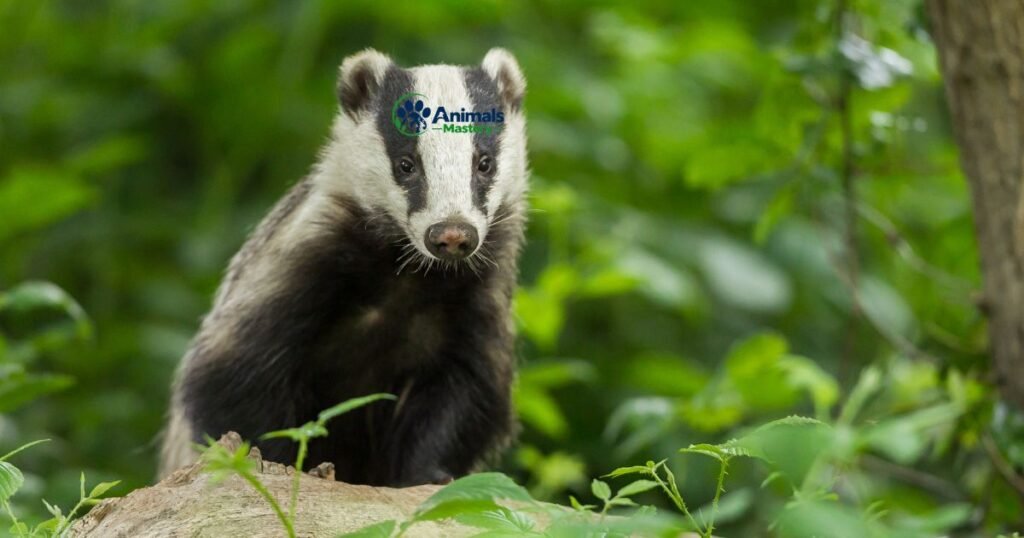
The complex burrows promote soil aeration, enhancing nutrient cycling and water infiltration, indirectly supporting the flourishing of diverse plant life.
With a nocturnal behavior that often goes unnoticed, these creatures emerge under the veil of night to forage, creating a ripple effect in their ecosystem. By rooting through the soil to search for insects and tubers, they inadvertently disturb the earth, breaking down organic matter and fostering new growth.
This natural tilling process contributes significantly to soil health, showcasing how the seemingly simple life of a badger can maintain ecological balance.
Eurasian Nuthatch
- Scientific Name: Sitta europaea
- Family: Sittidae
- Class: Aves
- Diet: Omnivore, eats insects, seeds, and nuts
The Eurasian Nuthatch is a marvel of adaptation, effortlessly scaling tree trunks with its agile claws to navigate vertical surfaces that few other birds dare to conquer. This impressive feat is not just for show; it allows the Nuthatch to access a treasure trove of insects hidden within bark crevices.
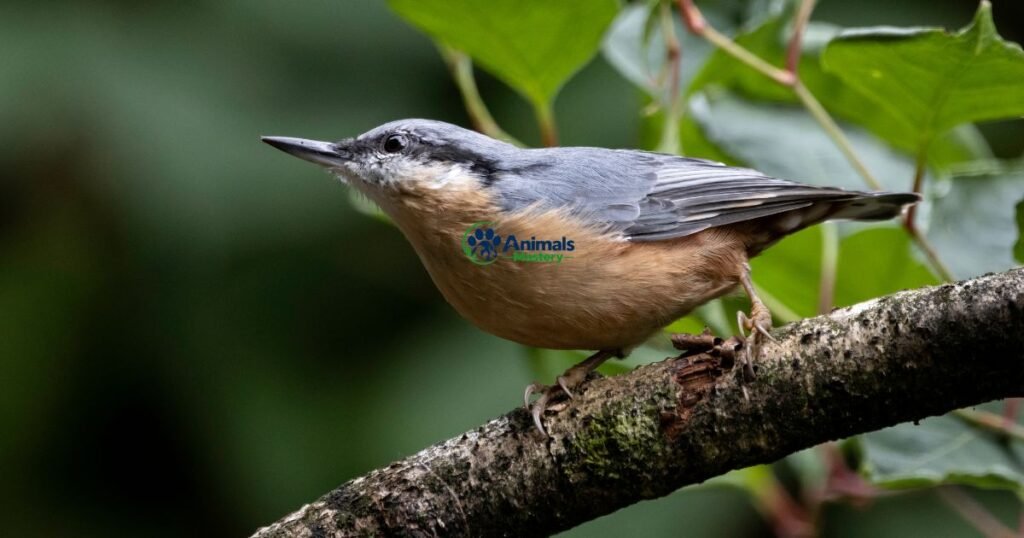
Its remarkable climbing skills are complemented by a unique ability to move head-first down trees, a trait that sets it apart from many other woodland birds.
Equally fascinating is the Eurasian Nuthatch’s vocal communication, which is often a lively melody of whistles and trills. These calls serve multiple purposes, from signaling territory to alerting others about potential threats.
During the colder months, this resourceful bird showcases its food caching behavior, memorizing the locations of seeds and nuts that will sustain it when food becomes scarce.
Eastern Box Turtle
- Scientific Name: Terrapene carolina
- Family: Emydidae
- Class: Reptilia
- Diet: Omnivore, eats insects, worms, fruit, and plants
The Eastern Box Turtle is a remarkable species renowned for its hinged plastron, which allows the turtle to completely close its shell, providing an effective shield against predators. This evolutionary adaptation is not just a means of protection; it also signifies the turtle’s resilience in a rapidly changing environment.
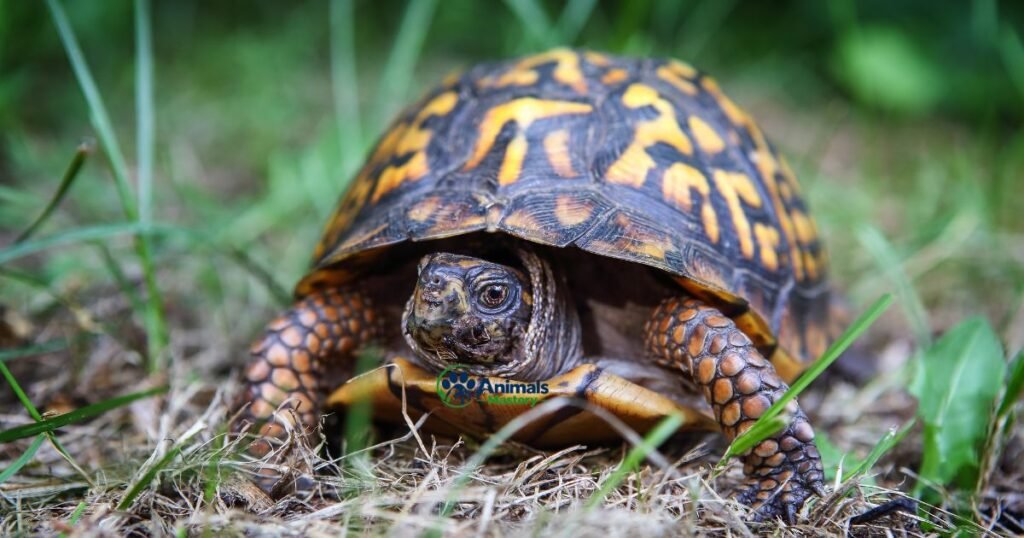
While many reptiles retreat into their shells, the Eastern Box Turtle exhibits a unique ability to navigate various habitats, showcasing an impressive foraging behavior that reflects its adaptability.
Camouflage plays a striking role in the life of the Eastern Box Turtle, as its earthy tones often blend seamlessly with leaf litter and forest undergrowth. This natural disguise not only aids in evading predators but also enhances its hunting capabilities, allowing it to stealthily approach prey. Observing their foraging behavior reveals a patient and deliberate creature, carefully sifting through the vegetation to discover a diet rich in fruits, insects, and fungi.
As these turtles face the pressures of habitat loss and environmental changes, understanding their adaptations sheds light on the delicate balance of their ecosystem and reinforces the importance of conservation efforts aimed at preserving this fascinating species.
Emu
- Scientific Name: Dromaius novaehollandiae
- Family: Dromaiidae
- Class: Aves
- Diet: Omnivore, eats plants, seeds, and insects
The emu, a remarkable flightless bird native to Australia, embodies resilience and adaptability, embodying the spirit of Australian wildlife. Its long, powerful legs place it among the tallest of the birds with long legs found in the wild. Despite their inability to soar through the skies, emus possess an extraordinary capacity for long-distance travel.
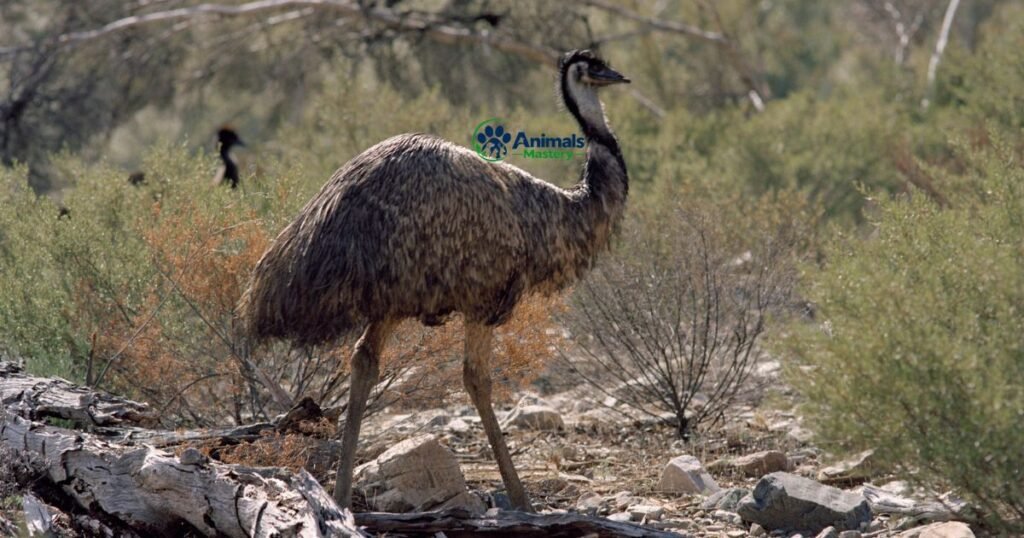
These avian wanderers can cover vast distances in search of food and water, a testament to their innate survival instincts. As they roam the rugged terrains of the Outback, their unique foraging habits play a pivotal role in seed dispersal, allowing various plant species to flourish.
Emus have developed a symbiotic relationship with the ecosystems they inhabit.
Their diet predominantly consists of seeds, fruits, and plants, and their extensive travels facilitate the spread of these seeds across their territories. This natural seed dispersal helps maintain biodiversity, ensuring a healthy balance in their environment.
Eastern Kingbird
- Scientific Name: Tyrannus tyrannus
- Family: Tyrannidae
- Class: Aves
- Diet: Carnivore, eats insects and occasionally fruit
The Eastern Kingbird is a master of adaptation, showcasing remarkable territorial behavior that not only captivates birdwatchers but also offers valuable insights into avian interactions.
During breeding season, these birds fiercely defend their nests, often engaging in dramatic aerial displays that highlight their acrobatic flight capabilities. Witnessing this aerial ballet offers a glimpse into their dedication; they can dive and swoop with remarkable precision, outmaneuvering potential threats while simultaneously showcasing their vibrant plumage.
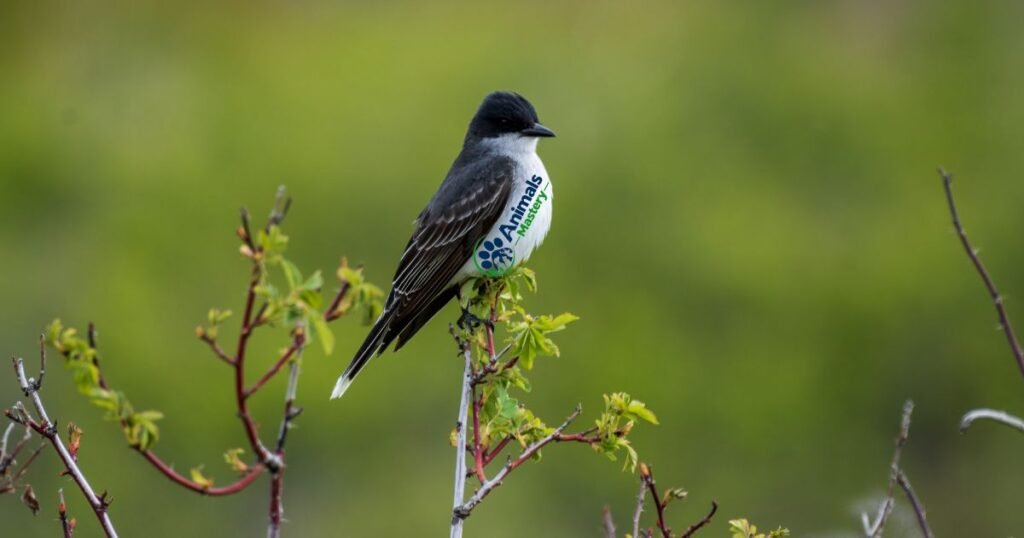
Not just resilient defenders of their territory, Eastern Kingbirds are also savvy foragers with a surprisingly diverse diet. Their adaptability allows them to feast on insects, berries, and even small vertebrates, making them highly versatile hunters.
As they migrate vast distances between breeding and wintering grounds, their ability to thrive on an array of food sources is a testament to their survival skills.
Eastern Screech Owl
- Scientific Name: Megascops asio
- Family: Strigidae
- Class: Aves
- Diet: Carnivore, eats insects, small mammals, and birds
The Eastern Screech Owl is a master of nocturnal hunting, perfectly adapted to thrive in diverse habitats. Its remarkable camouflage allows it to blend seamlessly into the trees, making it nearly invisible during the day. This specialization aids in a stealthy approach when nighttime falls, rendering it an effective predator of small mammals, insects, and even other birds.
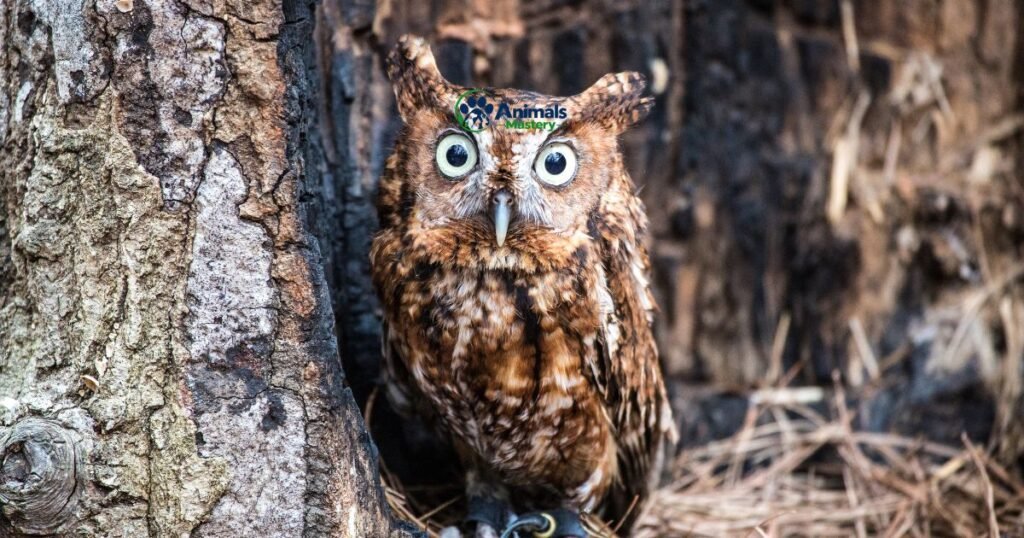
With an astonishing dietary adaptability, the Eastern Screech Owl can shift its diet based on available prey, showcasing its flexibility in a changing environment.
Vocalizations play a critical role in the life of the Eastern Screech Owl, with hoots and trills that echo through the night. These calls are not just for mating; they also serve to establish territory and communicate with fellow owls.
The haunting melodies resonate with an eerie beauty, weaving through the shadows as they guide their presence in the darkness.
Elephant Seal
- Scientific Name: Mirounga angustirostris
- Family: Phocidae
- Class: Mammalia
- Diet: Carnivore, eats fish and squid
The elephant seal, a remarkable marine mammal, boasts an inflatable snout that sets males apart from females, both in appearance and behavior. This unique adaptation serves multiple purposes, particularly during the mating season, when the resonant honks and roars of dominant males echo across coastal beaches, creating an audio spectacle.
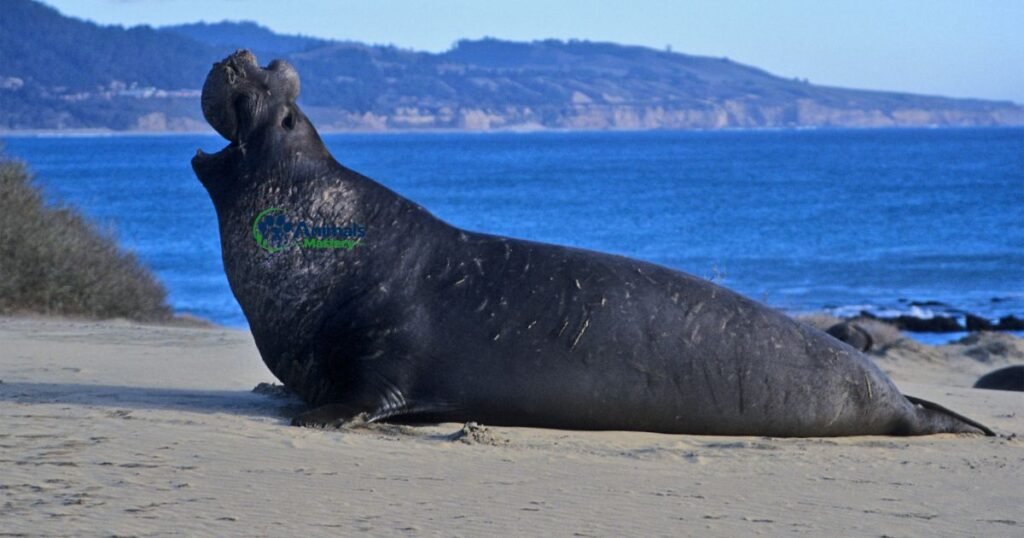
Their distinctive vocalizations, amplified by their sizable noses, play a crucial role in establishing territory and attracting mates, showcasing a complexity in social signaling that often goes unnoticed.
Deep diving is another fascinating aspect of their lifestyle, with elephant seals plunging to depths of over 5,000 feet in pursuit of food. This incredible ability is made possible by their specialized physiology, allowing them to hold their breath for over an hour while navigating the dark, pressure-filled depths of the ocean.
While many mammals struggle with such profound depths, these pinnipeds have evolved to thrive in this extreme environment, showcasing both resilience and adaptability.
Echidna
- Scientific Name: Tachyglossus aculeatus
- Family: Tachyglossidae
- Class: Mammalia
- Diet: Carnivore, eats ants and termites
The echidna stands out as one of the most fascinating examples of evolution, representing an intriguing blend of characteristics that challenge our traditional notions of mammals. As a monotreme, this egg-laying mammal perfectly embodies the intersection of traits seen in reptiles and modern mammals, making it a living link to our planet’s distant past.
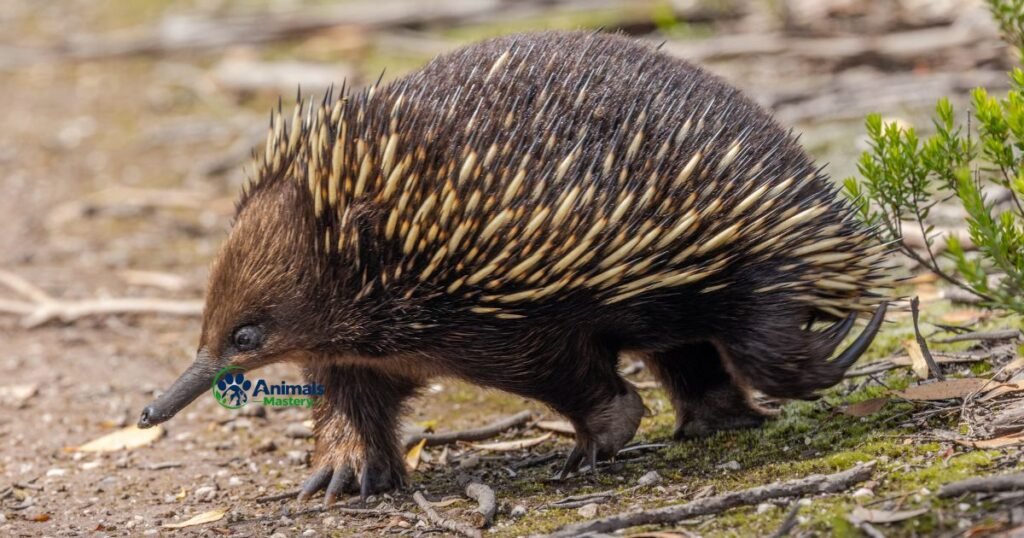
With a body covered in spines for defense, the echidna is not only well-protected from its predators but also showcases just how diverse mammalian adaptations can be.
One of the most captivating features of the echidna is its long, sticky tongue, which can extend to catch ants and termites hidden beneath the earth. This unique feeding strategy not only emphasizes its specialized diet but also highlights the creature’s remarkable adaptability to its environment.
While many mammals depend on their teeth, the echidna’s distinctive feeding mechanics provide a glimpse into how life forms have evolved to optimize survival.
Egyptian Vulture
- Scientific Name: Neophron percnopterus
- Family: Accipitridae
- Class: Aves
- Diet: Scavenger, eats carrion, eggs, and small animals
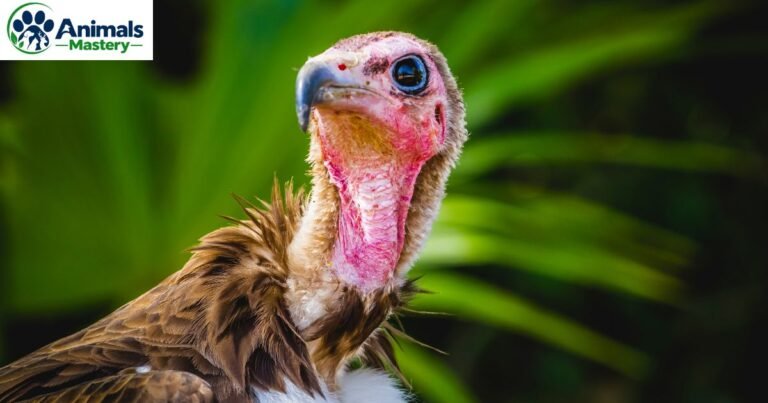
The Egyptian Vulture, known for its striking yellow face and impressive wingspan, showcases a remarkable adaptive behavior: tool use. This avian scavenger has been observed employing twigs and stones to crack open eggs, a skill not commonly associated with birds.
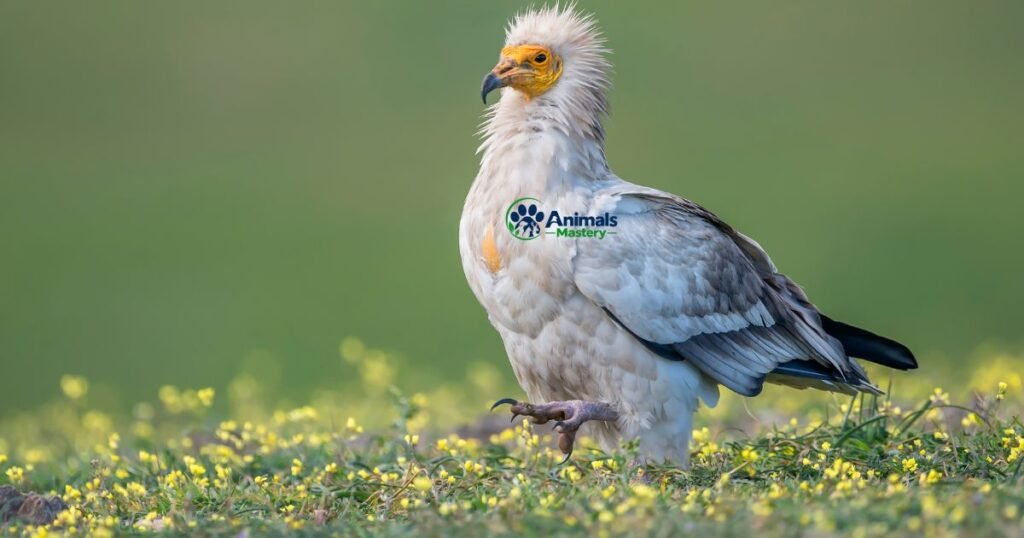
This egg-cracking behavior not only underscores the bird’s cognitive abilities but also highlights its resourcefulness in a challenging ecosystem. Observing these vultures deftly manipulate tools to access nutrients showcases nature’s ingenuity at work, drawing the attention of researchers and bird enthusiasts alike.
Conservation efforts for the Egyptian Vulture are crucial, as habitat loss and poisoning threaten their dwindling populations. By understanding their tool use and behaviors, conservationists can develop targeted strategies to protect these intelligent birds.
European Starling
- Scientific Name: Sturnus vulgaris
- Family: Sturnidae
- Class: Aves
- Diet: Omnivore, eats insects, fruit, and seeds
The European Starling, often overlooked in the avian world, offers a fascinating glimpse into the intricacies of social behavior and sound mimicry. Known for their mesmerizing murmurations, these birds create intricate patterns in the sky that not only dazzle observers but also serve as an evolutionary advantage against predators.
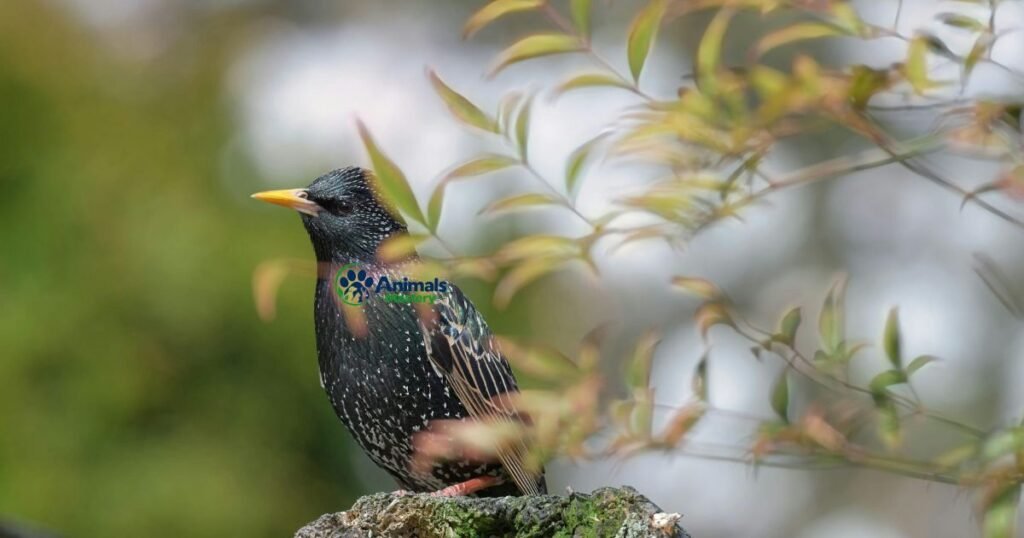
This coordinated movement is a prime example of collective behavior, illustrating how individual actions synchronize to enhance survival within a flock.
One surprising benefit of the European Starling lies in their role as natural pest controllers. By feasting on insects and larvae, they help maintain ecological balance, showcasing their importance beyond mere aesthetic appeal. Their impressive vocal abilities further amplify their significance; not only can they mimic the calls of other birds, but they can also recreate sounds from their surroundings, including human-made noises.
This unique talent not only enriches their social interactions but also adds layers to their adaptability in various environments, inviting us to reconsider the often underrated impact of this remarkable bird on ecosystems.
Eland
- Scientific Name: Taurotragus oryx
- Family: Bovidae
- Class: Mammalia
- Diet: Herbivore, feeds on grasses and leaves
The eland, often overshadowed by its more iconic antelope relatives, stands as the largest antelope species, captivating wildlife enthusiasts with its impressive spiral horns and gentle demeanor.
Its sheer bulk and strength rival some of the most muscular animals in the wild. Roaming the African savanna, these majestic creatures are not just remarkable for their size but also for their social structure.
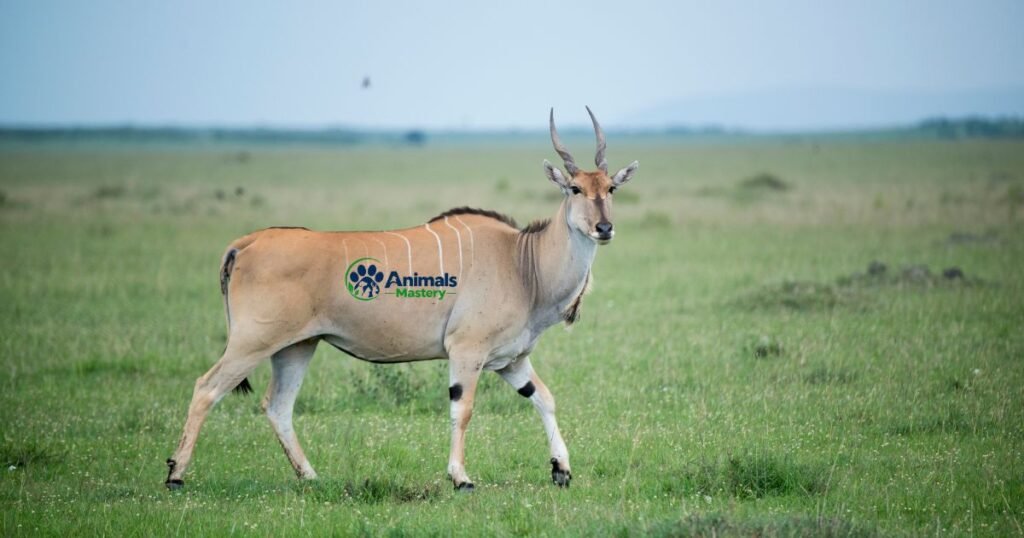
Elands thrive in matriarchal herds, where the oldest female leads the group, guiding them to water sources and safe grazing grounds. This unique social dynamic offers an insight into how matriarchy can play a vital role in the survival of species in challenging environments.
What truly sets elands apart is their adaptability; they can go for extended periods without water, relying on their ability to find moisture in the vegetation around them. Their diet consists mainly of grasses and leaves, which promotes a symbiotic relationship with the savanna ecosystem.
Eurasian Lynx
- Scientific Name: Lynx lynx
- Family: Felidae
- Class: Mammalia
- Diet: Carnivore, eats deer, hares, and small mammals
The Eurasian lynx, with its distinctive tufted ears and charismatic gaze, often embodies the mysterious allure of the wilderness. These solitary hunters skillfully navigate their vast forests and mountain habitats, utilizing their incredible camouflage to blend seamlessly into the dappled light of the underbrush.
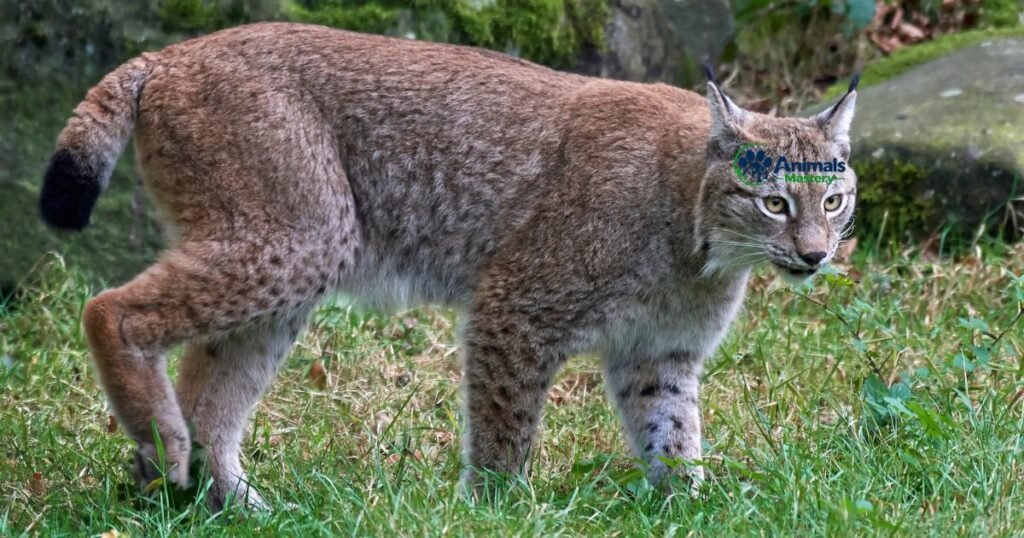
With a flexible diet primarily consisting of small to medium-sized mammals, such as hares and deer, they play an essential role as a keystone species, helping to maintain the ecological balance within their ecosystems.
Their hunting prowess is remarkable; the lynx employs both stealth and patience, waiting motionless before pouncing on unsuspecting prey. This unique hunting strategy not only showcases their adaptability but also highlights the intricate web of life they support by regulating prey populations.
In recent years, conservation efforts have illuminated the plight of the Eurasian lynx, underscoring the importance of preserving their habitats to ensure these magnificent felines continue to thrive in the wild.
Electric Eel
- Scientific Name: Electrophorus electricus
- Family: Gymnotidae
- Class: Actinopterygii
- Diet: Carnivore, eats fish, amphibians, and small invertebrates
The electric eel, a fascinating inhabitant of the Amazon River Basin, showcases remarkable adaptations that defy expectations. This remarkable creature is not an eel at all but rather a knifefish, with the ability to generate electrical discharges that can reach up to 600 volts.
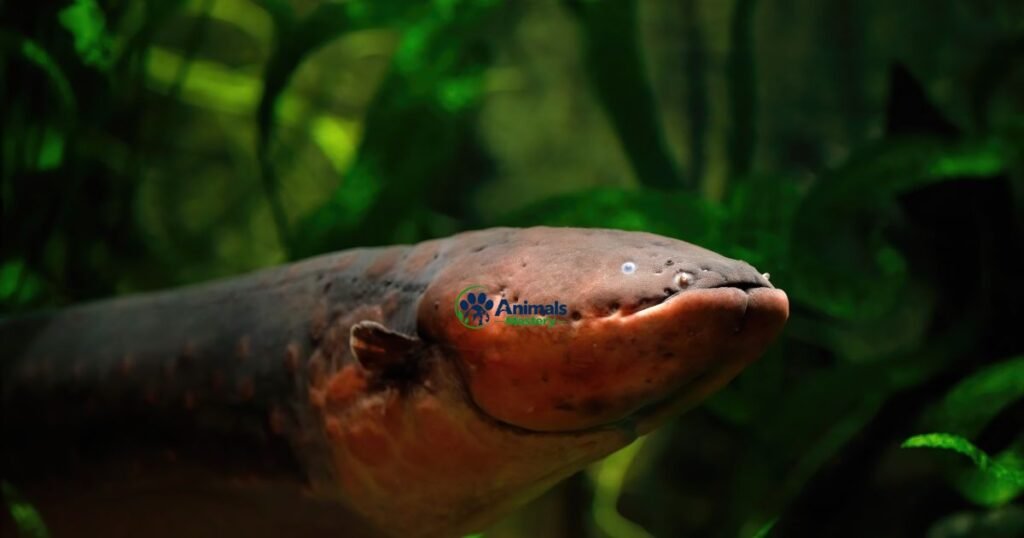
This incredible electric shock serves multiple purposes: a stunning predatory tool, a defense mechanism, and a means of communication in the murky waters where visibility is often minimal.
One of the electric eel’s most impressive feats is its advanced electroreception capabilities. It can detect subtle changes in its environment, allowing it to locate prey even in low-oxygen areas, where traditional predation methods might fail.
This adaptation is critical in the Amazon, where fluctuating oxygen levels can pose significant challenges to aquatic life. The electric eel’s unique ability to thrive in such conditions offers a compelling glimpse into the evolutionary strategies that enable survival in one of the world’s most biodiverse ecosystems.
Eastern Coral Snake
- Scientific Name: Micrurus fulvius
- Family: Elapidae
- Class: Reptilia
- Diet: Carnivore, eats small snakes and lizards
The Eastern Coral Snake is a striking example of nature’s artistry, adorned with vibrant bands of red, yellow, and black. These colorful markings serve not only as a warning to potential predators but also contribute to their incredible camouflage among the leaf litter, where they can blend seamlessly into their surroundings.
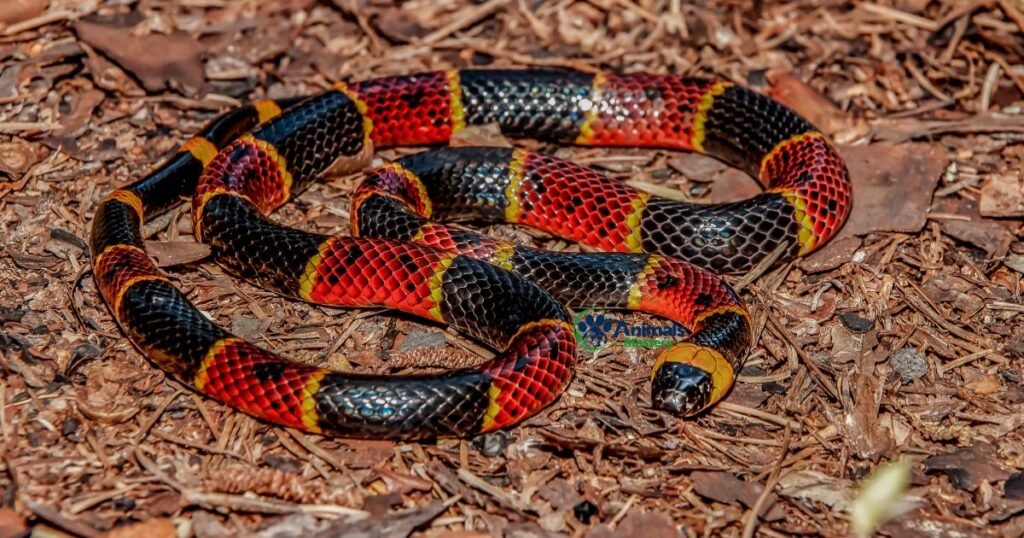
This snake’s vivid appearance might captivate many nature enthusiasts, yet its beauty belies a dangerous reality, its venom is among the most potent in North America, capable of causing severe neurological damage if not treated promptly.
Despite its lethal capabilities, the Eastern Coral Snake is not one to seek out confrontation. Characterized by reclusive behavior, it tends to retreat swiftly when threatened, often mistaken for its non-venomous counterparts. This avoidance strategy allows it to thrive in its natural habitat, consuming small reptiles and amphibians while minimizing encounters with humans.
Elephant
- Scientific Name: Loxodonta africana
- Family: Elephantidae
- Class: Mammalia
- Diet: Herbivore, feeds on grasses, leaves, bark, and fruit
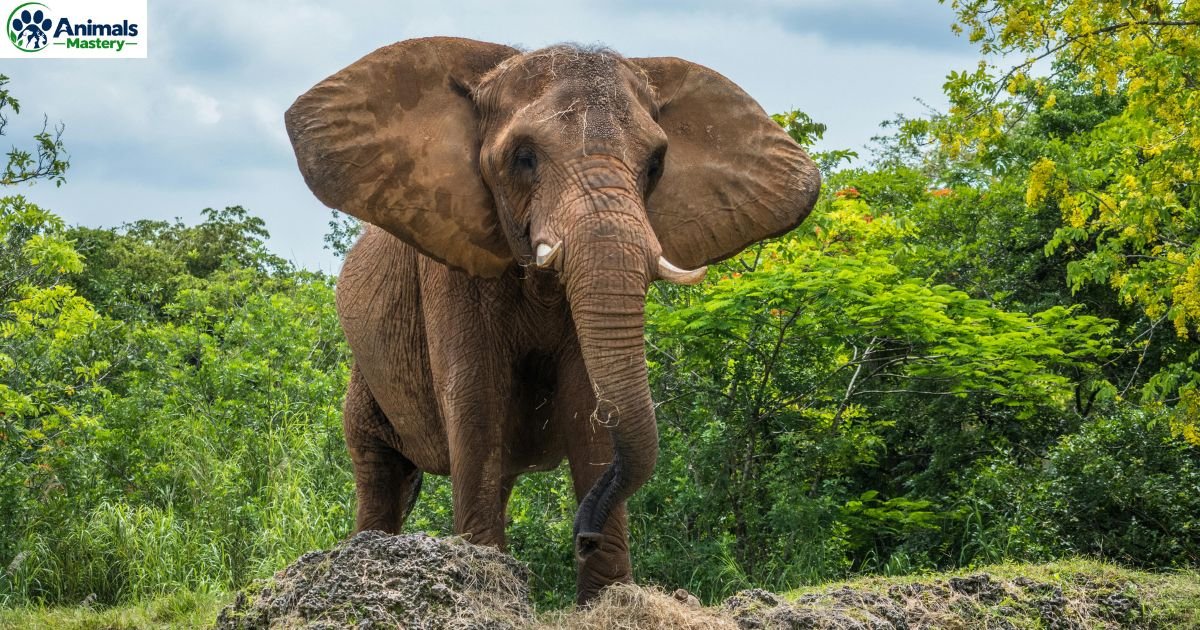
Elephants possess a rich social structure that mirrors the complexities of human communities. Their thick, wrinkled hide also places them among the thickest skin animals in the world. They thrive in matriarchal herds led by the oldest and often wisest female, showcasing profound emotional intelligence.
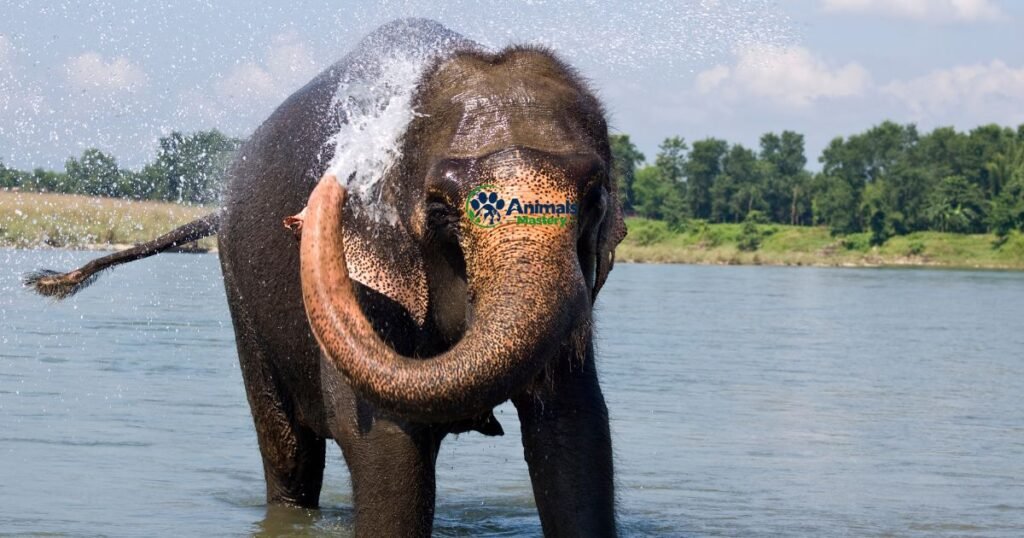
This unique dynamic fosters not only nurturing behaviors, such as caring for calves, but also intricate communication methods, including vocalizations and subtle body language. The bonds formed within these groups extend beyond mere survival; they are a tapestry of relationships that reflect empathy, mourning, and joy.
As keystone species, elephants play a crucial role in maintaining the ecological balance of their habitats. Their remarkable ability to shape landscapes influences the growth of vegetation, promoting biodiversity. Through their feeding habits and migratory patterns, they facilitate seed dispersal, ensuring the proliferation of various plant species.
This interaction highlights the interdependence between species and the environment, emphasizing that the health of ecosystems is intricately linked to the presence of these magnificent giants.
European Eel
- Scientific Name: Anguilla anguilla
- Family: Anguillidae
- Class: Actinopterygii
- Diet: Carnivore, eats small fish, insects, and crustaceans
The European eel, with its enigmatic presence, embarks on one of nature’s most remarkable journeys, its migration from the Sargasso Sea to diverse freshwater and brackish habitats across Europe.
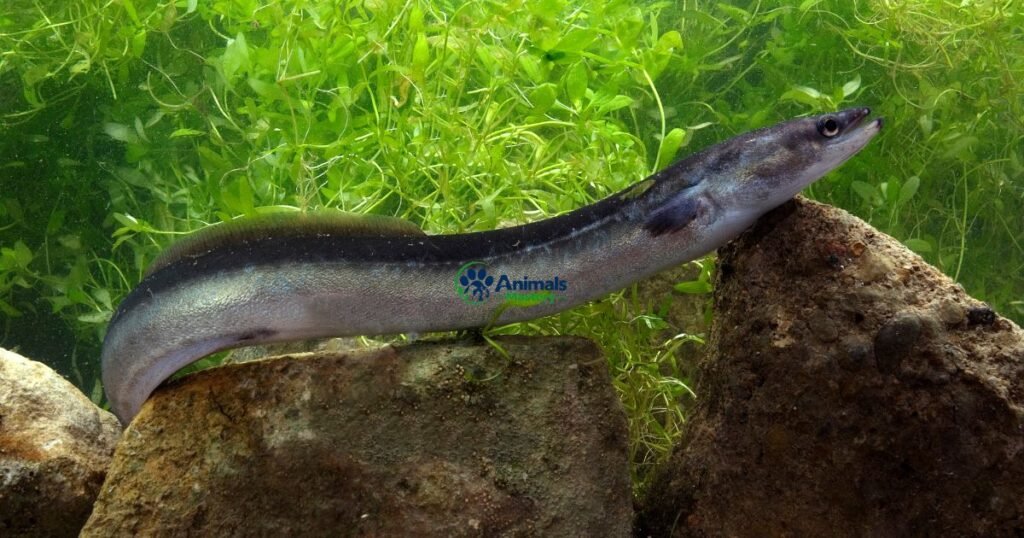
This long-distance migration is not merely a testament to the eel’s resilience; it underscores the intricate ecological webs connecting oceans and rivers. As these eels traverse thousands of kilometers, they act as biological conduits, contributing to the health and sustainability of multiple ecosystems along their route.
Despite their fascinating life cycle, European eels face daunting challenges, including overfishing, habitat loss, and the impacts of climate change. Conservation efforts are critical for this species, as their populations have plummeted in recent decades. Innovative strategies, such as habitat restoration and artificial eel passes, are being deployed to aid in their recovery.
Ethiopian Wolf
- Scientific Name: Canis simensis
- Family: Canidae
- Class: Mammalia
- Diet: Carnivore, eats rodents, particularly the giant mole-rat
The Ethiopian wolf, recognized as one of the world’s rarest canids, thrives in the high-altitude habitats of Ethiopia’s Bale Mountains and surrounding areas. Its slender, fox-like frame places it in good company with several other animals like foxes built for speed and agility.
With their striking appearances, a slender build, long legs, and a distinctive red coat, these wolves are perfectly adapted to navigate the rugged terrain.
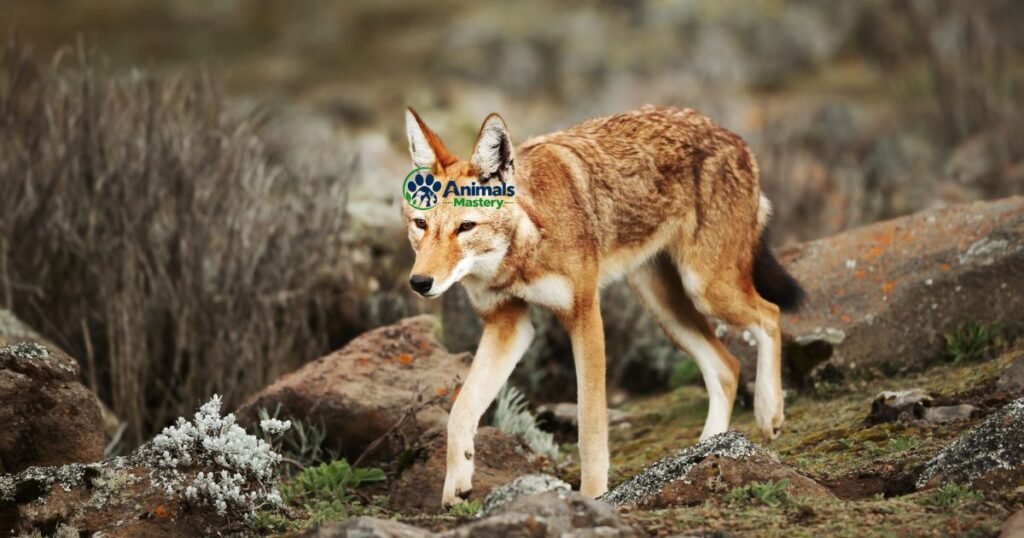
Their pack behavior showcases a complex social structure, where family groups work in unison to hunt for their primary prey: the elusive Ethiopian Highlands rat and various small mammals. This cooperative hunting strategy not only strengthens social bonds but also ensures survival in their challenging environment.
Despite their fascinating adaptations, the Ethiopian wolf’s existence is precarious. As an endangered species, they face significant threats from habitat loss and disease, primarily rabies and canine distemper, which have been introduced by domestic dogs.
Related Wildlife Worth Discovering
The Egyptian Vulture’s role as nature’s cleanup crew places it alongside some of the most fascinating scavenger birds in the world.
The Eastern Diamondback Rattlesnake, with its unmistakable head shape, is a textbook example of the snakes with triangular heads covered in our identification guide.
And the European Badger, a member of the Mustelidae family, shares close kinship with several other animals like weasels, known for similar digging and foraging instincts.
Each of these animals shows how a single trait, diet, or family lineage often connects species across very different corners of the animal kingdom.
Final Thoughts
The animal kingdom is brimming with incredible Animals That Start With E, each with its own unique traits and fascinating stories. From the majestic elephant to the elusive echidna, these animals showcase the diversity and wonder of life on our planet.
Learning about these extraordinary beings not only deepens our appreciation for wildlife but also highlights the importance of conservation efforts. As we celebrate their uniqueness, let’s commit to protecting their habitats and ensuring their survival for future generations.
Dive deeper into the wonders of nature and share your favorite “E” animal in the comments below!
FAQs
What Animals Start with E?
Animals that start with E include elephant, eagle, eel, emu, elk, echidna, ermines, earthworm, egret, and electric eel.
What Sea Animal Starts with E?
The eel is a well-known sea animal that starts with E. Other examples include elephant seals, emperor penguins, and European lobster.
Which Bird Name Starts with E?
Birds beginning with E include eagle, emu, egret, eider, and eastern bluebird.
What are Some Mammals that Start with the Letter E?
Mammals starting with E include elephant, elk, echidna, ermine, elephant seal, and Ethiopian wolf.
What Animal Starts with an E but not an Elephant?
There are many, including eagle, eel, emu, elk, echidna, egret, and earthworm.